Today’s diners expect more than a good meal.
Many want food that aligns with their lifestyle, whether that means increasing protein, supporting gut health, fueling a workout, or simply making healthier choices without sacrificing convenience or flavor.
As wellness becomes part of everyday dining, functional foods are finding a permanent place on restaurant menus. For restaurant owners, they’re another way to attract customers, differentiate the menu, and give guests more reasons to come back.

What Are Functional Foods?
Functional foods are foods and beverages associated with specific wellness benefits beyond simply satisfying hunger. They may be rich in protein, fiber, probiotics, healthy fats, or other nutrients that customers connect with goals like digestive health, energy, hydration, or recovery.
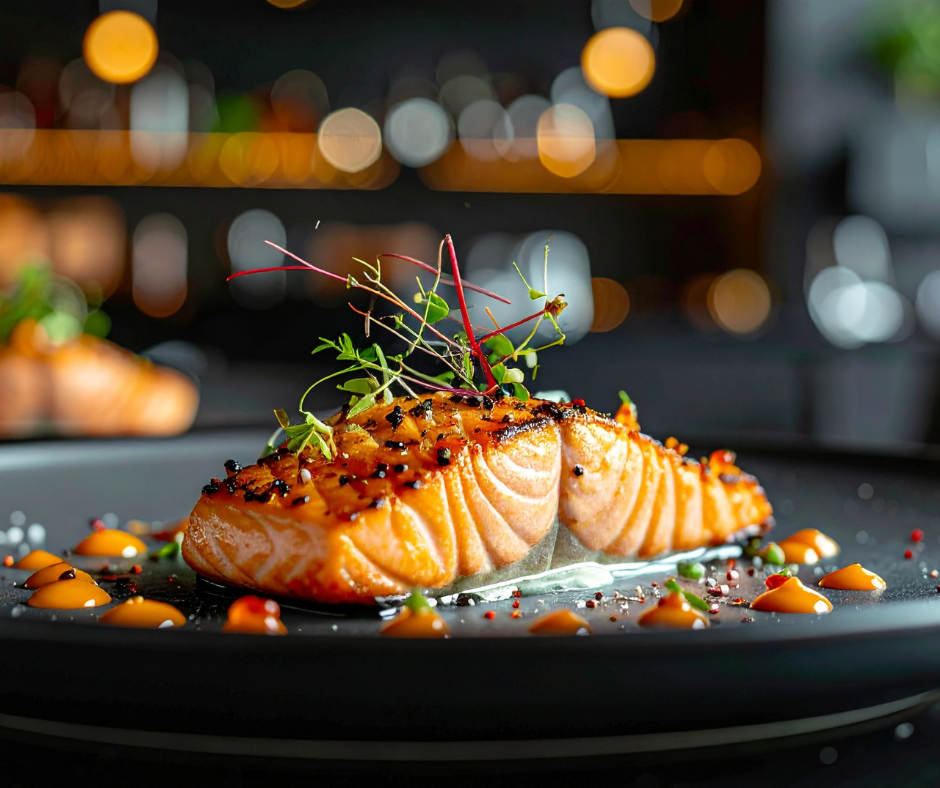
Many of these foods aren’t new. Greek yogurt, oats, berries, salmon, kimchi, leafy greens, legumes, and fermented foods have been staples for years.
What’s different is that customers are actively looking for them, and restaurants are making them easier to find.
Why Diners Are Paying Attention
Younger customers have grown up with fitness apps, wearable technology, wellness influencers, and endless nutrition information at their fingertips. They’re more likely to read menu descriptions, look for ingredient quality, and choose meals that fit into broader health goals.
That doesn’t mean every customer is following the latest wellness trend.
It does mean more guests appreciate menu items that offer benefits beyond great taste.
Many are looking for meals that help them:
Stay full longer with more protein
Support digestive health
Increase fiber intake
Fuel workouts and recovery
Stay energized throughout the day
Eat more whole foods and plant-based ingredients
Restaurants don’t have to cater exclusively to health enthusiasts. They simply need to recognize that wellness has become another factor influencing dining decisions.
Functional Foods Showing Up on Restaurant Menus
Many of today’s most popular menu additions are built around familiar ingredients with recognizable health benefits.
Protein Still Leads the Conversation
Protein remains one of the strongest drivers of menu innovation.
Restaurants are expanding offerings with:
Grain bowls
Greek yogurt parfaits
Cottage cheese dishes
Protein smoothies
Egg-forward breakfasts
Lean meats, seafood, tofu, and legumes
Higher-protein meals appeal to customers looking for satisfying breakfasts, post-workout meals, or lighter lunches that keep them full longer.
Gut Health Goes Mainstream
Digestive health has become one of the fastest-growing areas of consumer interest.
Menus increasingly feature foods like:
Kimchi
Yogurt parfaits
Kefir smoothies
Sauerkraut
Miso
Fermented vegetables
Fiber-rich grains and legumes
These ingredients introduce new flavors while appealing to diners who are paying more attention to gut health.
Functional Fluids
Drinks are becoming wellness destinations of their own.
Restaurants and cafés are experimenting with ingredients such as:
Matcha
Adaptogens
Electrolytes
Ginger
Turmeric
Functional mushrooms like lion’s mane and reishi
- Couture water
Whether they’re blended into smoothies, stirred into specialty coffees, or featured in seasonal beverages, these drinks often command premium prices while giving customers something they can’t easily make at home.
Plant-Forward Dining
Plant-forward dining continues to grow beyond traditional vegetarian and vegan menus.
Legumes, ancient grains, tofu, roasted vegetables, and globally inspired grain bowls appeal to diners looking to eat more plants without giving up meat entirely.
Offering more plant-forward choices helps restaurants serve a wider range of customers while keeping menus fresh and versatile.

Small Changes, Big Difference
Many restaurant owners assume embracing functional foods requires an entirely new menu.
In reality, small additions often have the biggest impact.
Some additions can introduce customers to wellness-focused options without disrupting kitchen operations, such as a gut-friendly breakfast parfait, a protein-packed grain bowl, or juicy salmon burger.
The menu description matters, too.
Instead of simply listing Greek yogurt with berries, highlighting its protein content and probiotic benefits gives customers another reason to order it.
Descriptions that explain why an item stands out help diners make faster decisions while reinforcing the restaurant’s value.
Why It Matters
Customers still love burgers, pizza, and tacos, but now, they are also looking for options.
Adding functional foods doesn’t mean abandoning favorite menu items. It means offering guests additional sides and ingredients, like cottage cheese omelettes, mashed cauliflower, or fermented vegetables that reflect the way many people eat today.
Restaurants that recognize this shift can appeal to health-conscious diners without changing their identity.


Take Away
Functional foods have moved well beyond health food stores and specialty cafés. They’re becoming part of everyday restaurant dining.