


Dining solo was once stigmatized and considered a sign of loneliness and social isolation. As social attitudes evolve, however, solo dining has begun reshaping the future of the food service industry. With many restaurants recognizing the importance of catering to singles, an increasing number of the nation’s eateries are now offering counter and single seating and communal tables that suit the needs of this new generation of diners. Reflecting a shift in demand, new solo dining concepts are surfacing across the country.
Though dining with friends and family has long been an enjoyable tradition, shifting social realities might be painting a different picture for the future of restaurants. As more and more people choose to live alone, restaurants should adapt to allow singles the opportunity to savor the dining experience. This translates to more single-serve meals, better food delivery options, and revised restaurant layouts. Put simply, the future of dining in the US is being shaped by the rise of single-person households.

According to a 2020 census survey, single-person households accounted for over a quarter (27.6%) of all U.S. occupied households, that’s up from just 7.7% in 1940.
This rise in single households is attributed to a variety of factors, including an aging population, changes in social attitudes, and economic influences.
Areas of the US with the highest concentration of one-person households are the Midwest, and the states of Florida, Maine and Oregon.
The trend towards single-person households is not unique to the United States, being witnessed in metropolitan areas in other countries around the world, particularly Japan and the Middle East, where, surprisingly, 48% of households end in divorce. These statistics are prompting restaurants around the globe to rethink the way they serve customers.

10 Ways Restaurants Benefits From Solo Dining
To some, dining alone can feel awkward and uncomfortable, and many restaurants are simply not set up to cater to dining-for-one. Some restaurants see solo dining as a smaller bill or an obstacle to turning over tables to larger parties of guests. Savvy restaurants are re-examining the way they look at the solo diner, however, catering to patrons eating alone.

Here’s why:
-
Restaurants Can Serve More Guests. Single dining can improve profitability by increasing the number of customers a restaurant can serve at one time. When restaurants offer single-serving meals, they can serve more people in a shorter amount of time, which can have a positive impact on revenue.
-
Ability to Charge Premium Prices. Because single diners are often willing to pay a premium for convenience, helping to boost profits.
-
Reduces Food Waste. Restaurants that offer single-serving meals, can control portion sizes more efficiently and reduce the amount of food waste.
-
Helps Restaurant Stand Out from Competition. Catering to single diners can help restaurants distinguish themselves from competition. By offering a unique dining experience that caters specifically to people who want to eat alone, restaurants can attract a new segment of customers.
-
Solo Diners Enjoy the Dining Experience. Restaurants create the space for many types of social gatherings, including family celebrations, anniversaries, and reunions. Most fundamental to success, however, is not the space itself but a restaurant’s delicious food and great service, which even those dining alone can relish.
-
Providing Consistent Service is a Sign of Integrity. The food service industry creates intimate connections among people, including between staff and customers. As such, the focus should not solely be placed on profits, but rather on the quality of the food and customer service. Increased revenue will naturally arise from optimizing the overall experience.
-
You Never Know Who You’re Serving. You could be serving a new resident checking out the local restaurant scene or a prospective guest deciding where to take a date. A solo diner could be also be an inspector or food writer attending your restaurant to do a review.
-
Satisfied Solo Diners Spread the Word. When a single-serve diner enjoys a meal at your restaurant, they may recommend your spot to friends or write a great review on social media. While repeat business can be beneficial to business, diners will only return if a restaurant creates a warm and welcoming experience.
-
One-top Tables are Easier to Serve. Service can be a chaotic experience at times, so when a server has a table of one, it may offer a relaxing break to the dining rush. It’s easy to capture the attention of a guest when taking orders, and when you only have to cater to the needs of one guest as opposed to two, four, six, or more, it makes the experience easier on the server and more personal to the diner.
-
Take it as a Compliment. When a guest visits yur restaurant solo, it’s an induction that your restaurant is a spot worth patronizing—even when dining alone.
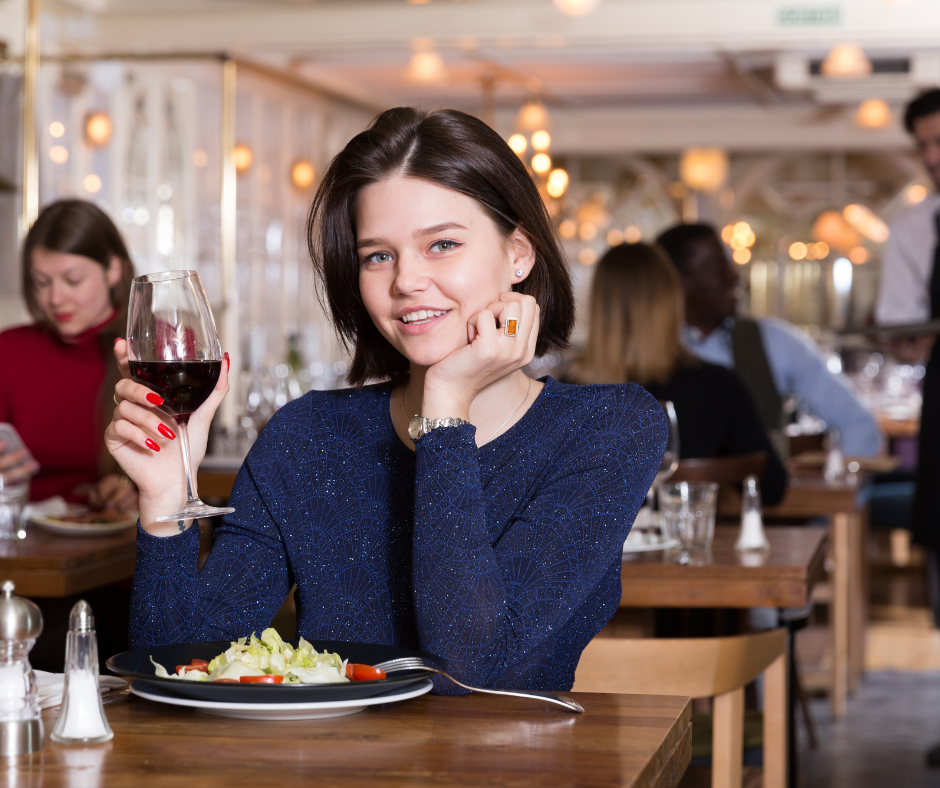
How to Cater to Solo Diners
Similar to going to the movies or an art exhibit, when a restaurant has mastered a unique concept, delectable cuisine, and outstanding service, dining solo can also be a source of entertainment. Cultural stigmas, however, can leave some solo diners feeling somewhat uncomfortable, so it’s important for restaurants to put more thought into catering to them.


Here’s how:
Alter your table setups. To create an inviting space for those dining alone, innovative restaurants have begun incorporating solo seating and service styles. Consider incorporating individual walled booths, small tables, or counter service.
Pay attention to where you seat solo guests. Solo diners might prefer a seat by a window where they can people-watch passers by or in a quiet area where they can read or listen to music in their earbuds.
Read the table. Train your staff to know how to alter their approach to create a comfortable interaction with the solo diner. By noticing a guest’s demeanor, servers should learn to gauge whether a customer is looking for some quiet solitude or seeking engagement. If a guest does seem more engaged, coach your serving staff to make the meal more special and experiential.
Offer complimentary treats. Because it’s less cost-prohibitive, offer a complimentary glass of wine or dessert to your solo eaters.
Create a collaborative concept area for solo guests. To help foster connections between people, consider creating an area with group seating or communal tables to encourage interaction among your solo diners. Remember not to force it, however; allow your solo guests to choose whether they’d prefer individual seating or your collaborative space.
Provide reading material. For more casual restaurants, set up a reading nook with a selection of books and magazines.

Take Away
As lifestyles and cultural norms continue to evolve, the trend towards solo dining is expected to rise. While traditional family structures have emphasized the importance of eating together as a group, urbanization and remote work habits have led to more people living and working alone.
In an age where devices have become a primary source of entertainment , a restaurant is a place where single people can engage with what’s right in front of them—a lovely plate of food, a friendly server, or other single guests.
In the short run, some restaurants might still view those eating alone as a smaller check or a lost opportunity for a larger tab, but, in the long run, offering solo diners the same superior service and an elevated level of hospitality can ultimately be a profitable proposition.

By Eileen Strauss
