


Commercial insurance can help protect your business when something unexpected threatens your restaurant’s bottom line. In the event of an accident, such as an injured guest, or an unforeseen occurrence like a fire, insurance protects your business from having to pay entirely out-of-pocket or face a potential lawsuit.
Types of Restaurant Business Insurance
If you’re new to the restaurant business or have never really thought about this subject, figuring out what types and how much insurance you need can be a daunting task.
Common types of coverage for food service businesses include:
General Liability Insurance
This restaurant liability insurance is what you’d call on for help if a customer gets food poisoning or is injured due to a slip and fall. Though general liability insurance offers broad protection, this type of coverage doesn’t provide protection for property you own or workplace injuries to you or your employees. Rather, it can help after an injury to non-employees or damage to property you do not own.


Commercial Property Insurance
For protection for property you own, such as equipment, inventory and structures, commercial property insurance would be the type of coverage to consider.
If your walk-in refrigerator malfunctions, causing all of the food to spoil, for example, commercial property insurance could help you to recoup some of those losses.
Other common risks this type of insurance covers include theft, vandalism, or an unexpected closure due to a covered event, (known as business interruption insurance).
Business Owner’s Policy (BOP) Insurance
A business owner’s policy combines the benefits of general liability and commercial property insurance, an appealing choice for many restaurant operators.

Workers’ Compensation Insurance
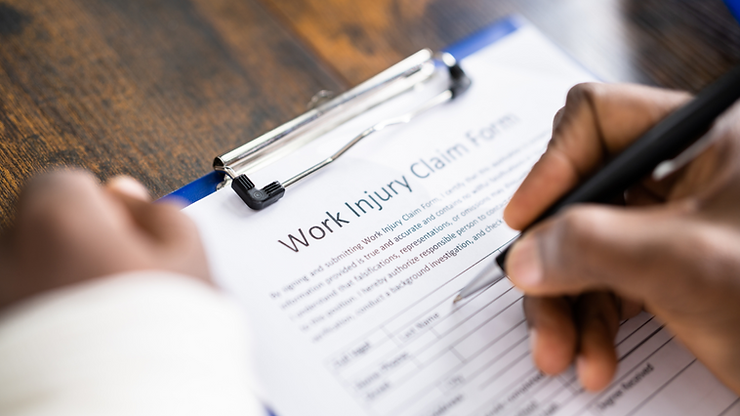
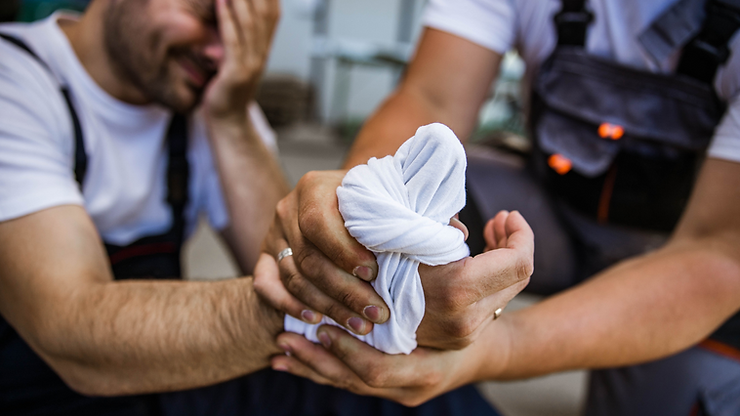
Required in some states, workers’ compensation coverage pays for some or all medical expenses and lost wages if a server gets hurt slipping on spilled oil, for example, or a cook gets a cut that requires medical attention.
Liquor Liability Insurance
This type of insurance helps cover legal defense costs and damages if you or an employee are involved in a claim involving an intoxicated customer injuring themselves or someone else or causing property damage after being served too much alcohol at your establishment.
Types of Restaurant Business Insurance Required by Law
Food service industry insurance requirements vary by state and situation, so it’s important to be in compliance with all municipal, local, and state laws and regulations.
You may be required to have restaurant business insurance if:
- Your restaurant serves customers. Property owners or municipalities might require you to have restaurant liability insurance to protect the business from potential property damage costs, slip-and-fall injuries, or medical payments.
- You have employees. Many states require workers’ compensation insurance to help cover the costs of injured workers if you have employees.
- You own or rent the property where your restaurant resides. In the event of a covered catastrophe such as a fire, some property owners and local agencies require commercial property insurance for the building you lease or own.
- Your restaurant uses business-owned vehicles for deliveries. In general, if a vehicle is used to perform tasks in furtherance of operating a business (other than commuting), a commercial policy is necessary. This could include delivery drivers using their own vehicle for delivering food to customers or managers picking up inventory during business hours in their own car. Generally, if a staff member uses their own vehicle to perform their duties, either the employee or the business owner needs to purchase a separate policy to cover said vehicle.

Cost of Restaurant Insurance
The cost, known as a premium, for insurance can vary based on several factors, including the type of restaurant you own (e.g., fine dining, casual, or fast food), your location, and what functions your employees perform.
The best way to know which type of insurance is right for you and what it will cost is to speak to an insurance professional that specializes in commercial insurance, particularly for the restaurant industry. You’ll usually be able to get a quote in as little as 10 minutes. You can shop for, purchase, and manage most policies online 24/7 via web or app.
Take Away
In the restaurant industry, it’s important to expect the unexpected, from servers calling out sick to kitchen fires. Purchasing commercial insurance is a great strategy for staying prepared for as many unforeseen situations as possible.
DISCLAIMER: This content is provided for informational purposes only and is not intended as legal or other professional advice.

By Eileen Strauss
