

Key Takeaways:
- Choose The Right Delivery Model: Running delivery in-house gives more control, while third-party services expand reach but come with commission fees. Some restaurants use a mix of both for flexibility.
- Streamline Orders And Operations: An efficient workflow, proper packaging, and an order management system like Sauce help maintain food quality and reduce errors.
- Market Your Delivery Service Effectively: Promoting delivery on social media, optimizing for local search, and offering promotions encourages more customers to place orders.
It’s a substantial upgrade.
Running a delivery operation requires more than just sending food out the door. It involves choosing the right delivery model, adjusting kitchen workflows, training staff, and ensuring a smooth ordering process. With the proper setup, delivery can help your restaurant grow without overwhelming your team.
At Sauce, we offer restaurants an innovative, commission-free online ordering system that protects their brand reputation and strengthens customer loyalty. We handle delivery orders, resolve complaints, manage refunds, and provide premium delivery support — allowing restaurants to focus on their culinary excellence.
In this guide, we’ll walk you through the essential steps for successfully adding delivery to your restaurant.
Understanding The Different Delivery Models
Restaurants can offer delivery in different ways, depending on their needs, budget, and the level of control they want over the process. The two main options are in-house delivery and third-party delivery services.
In-House Delivery
Managing delivery in-house gives full control over the customer experience, from order handling to food quality upon arrival. Restaurants hire their own drivers, set delivery zones, and decide on pricing. This option can be more profitable in the long term but requires investment in staff, vehicles, insurance, and technology to manage orders efficiently.

Third-Party Delivery Services
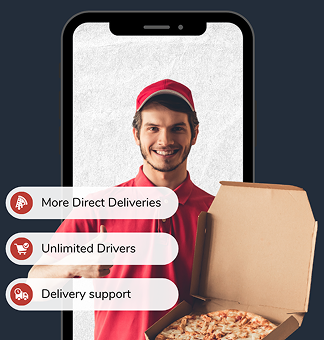
Platforms like Uber Eats, DoorDash, and Grubhub handle delivery logistics, allowing restaurants to focus on food preparation. These services expand a restaurant’s reach without requiring additional staff or vehicles. However, they charge commission fees that can impact profits.
Hybrid Approach
Some restaurants use both models, handling deliveries themselves in nearby areas while relying on third-party services for broader reach. This approach balances control and convenience but requires a system to manage orders from multiple sources.
Choosing the right model depends on the restaurant’s goals, budget, and ability to manage delivery operations. Online order management systems like Sauce help restaurants streamline orders from different sources in one place, making delivery easier to manage.
Setting Up Your Restaurant For Delivery Success
Once you’ve decided on a delivery model, the next step is to prepare your restaurant for a smooth operation. Proper setup ensures that delivery orders don’t disrupt in-house dining and that food arrives in the best condition.
Organizing The Kitchen For Delivery Orders
A dedicated space for handling delivery orders keeps operations efficient. Setting up a specific station for packaging prevents congestion in the kitchen and speeds up order fulfillment. Staff should have clear roles to keep orders moving without delays.
Using Technology To Manage Orders
Handling orders from multiple sources can be challenging. A system like Sauce centralizes online orders from different platforms, reducing confusion and errors. This ensures that orders flow smoothly into the kitchen without requiring manual entry.
Preparing For Packaging And Transportation
Proper packaging keeps food fresh and prevents spills. Insulated bags help maintain temperature while secure containers prevent leaks. Choosing packaging that preserves food quality reduces customer complaints and keeps delivery efficient.
Creating A Delivery-Friendly Menu
Not all menu items travel well. Some dishes lose texture, temperature, or presentation during transport, leading to disappointed customers. A delivery-friendly menu focuses on food that maintains quality after leaving the kitchen.
Selecting The Right Dishes
Items that become soggy separate easily or require assembly after delivery can cause frustration. Crispy foods, soups, and delicate dishes should be tested to see how well they hold up. If necessary, minor adjustments — such as serving sauces on the side — can improve quality.
Portioning For Delivery
Large portions can shift during transport, leading to messy presentations. Packaging food in secure containers that prevent movement keeps dishes looking appetizing when they arrive.
Updating Pricing And Availability
Delivery pricing may differ from dine-in prices due to packaging and service costs. Some restaurants create a modified delivery menu with adjusted prices or limit options to dishes that travel well.
Training Your Staff For Delivery Operations
A well-trained staff ensures that delivery runs smoothly without affecting in-house dining. Employees should know how to handle delivery orders efficiently while maintaining food quality and customer satisfaction.
Teaching Order Accuracy And Packaging
Mistakes in delivery orders lead to refunds and unhappy customers. Staff should double-check every order before it leaves the kitchen. Proper training on portioning, sealing containers, and using the proper packaging prevents spills and maintains food quality.
Setting Clear Roles
Assigning specific roles helps avoid confusion. Some staff members can focus on preparing and packing delivery orders, while others handle dine-in service. A clear workflow prevents bottlenecks and keeps operations running smoothly.
Training On Order Management Systems
Staff should know how to process and prioritize online orders without disrupting kitchen flow. Employees must also understand how to handle order modifications, cancellations, and delays to keep service running smoothly.
Preparing Delivery Drivers
Drivers should know the best routes to deliver food quickly and safely. Proper food handling training helps prevent spills and damage during transport. They should also understand how to interact with customers professionally and handle complaints when necessary. If an order is late or incorrect, they need clear instructions on resolving the issue without delays.
Marketing Your Delivery Service
Once your delivery operation is ready, customers need to know about it. A strong marketing strategy helps drive orders and build a loyal customer base.
- Promoting Delivery On Your Website And Social Media: Customers should be able to find delivery options easily. A clear “Order Online” button on your website and social media pages helps direct traffic to your ordering system. Regular social media posts with high-quality images and special offers can encourage customers to place orders.
- Encouraging Repeat Orders With Promotions: Discounts for first-time delivery customers, loyalty programs, and bundle deals help increase order frequency. Promotions such as “Free Delivery on Orders Over $30” or “Buy One, Get One Half Off” can encourage more significant purchases.
- Optimizing For Local Search: Many customers search for “restaurants near me” or “food delivery near me.” Updating your Google Business Profile with accurate delivery information and customer-friendly descriptions improves visibility in local searches.
- Using In-Restaurant Marketing: Dine-in customers are potential delivery customers. Table tents, receipts, and packaging inserts with a QR code leading to your online ordering system can remind them to order delivery next time.
- Managing Customer Reviews: Positive reviews influence new customers. Encouraging satisfied customers to leave reviews on Google, Yelp, or delivery platforms helps build trust. Responding to positive and negative feedback shows that the restaurant values customer experience.
Ensuring Excellent Customer Experience
A smooth delivery experience keeps customers coming back. Food quality, accuracy, and timeliness all contribute to customer satisfaction.
Keeping Food Quality Consistent
Food should arrive as fresh as it would for dine-in customers. Proper packaging, insulated bags, and handling prevent spills and temperature loss. Testing delivery packaging and adjusting preparation methods can help maintain food quality.
Minimizing Order Mistakes
Incorrect or missing items frustrate customers and lead to complaints. A clear order verification process — such as using printed tickets, a final check before sealing bags, or digital order tracking — reduces errors. Sauce helps streamline order management, ensuring accuracy across multiple platforms.
Delivering Orders On Time
Long wait times lead to negative reviews. Efficient kitchen workflows and realistic delivery time estimates help keep orders on schedule. If delays happen, updating customers through automated notifications can manage expectations.
Handling Customer Complaints Professionally
Mistakes happen, but how they’re handled affects customer loyalty. A clear process for addressing complaints — such as offering refunds, credits, or replacements — can turn a bad experience into a positive one. Quick and polite responses to concerns help maintain trust.
Final Thoughts
Adding delivery to your restaurant can increase sales and attract more customers, but it requires careful planning. Choosing the right delivery model, setting up efficient operations, and maintaining food quality all contribute to a smooth and profitable service.
A reliable order management system like Sauce helps simplify delivery by centralizing orders from different platforms. This reduces errors, improves efficiency, and keeps operations running smoothly.
With the right strategy, delivery can be a valuable addition to your restaurant, helping you reach more customers and grow your business.
Read also:
