

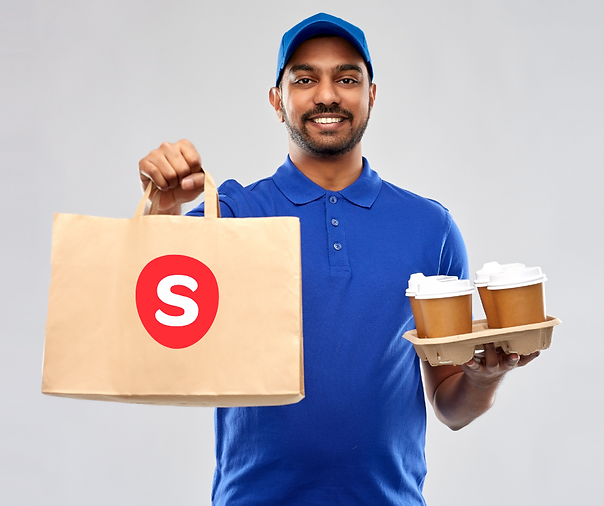
In the world of delivery, your packaging is your handshake—it’s the first impression and a lasting one. Make it count!
Over the past five years, as demand for delivery has soared, the market for innovative, earth-friendly packaging has rapidly evolved. As sustainability continues to be a driving force in consumer decision-making, eco-friendly packaging is no longer a niche solution—it’s the industry standard.
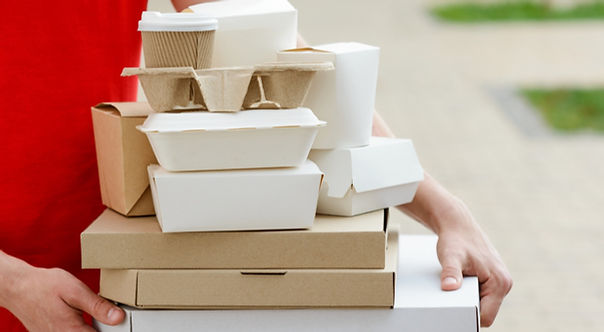
Why Sustainable Packaging Matters
1. Brand Perception
Green delivery packaging does more than just carry food—it communicates your restaurant’s values. As consumers make faster decisions in grab-and-go settings, packaging with clear labels, bold visuals, and clean fonts helps reinforce a professional, thoughtful brand image.
2. Sanitation & Safety
As safety continues to remain at the top of consumers’ minds, customers expect tamper-proof seals, secure lids, and visible indicators of cleanliness. Studies show that porous materials like cardboard and wood fiber are less hospitable to germs than plastic, giving eco-friendly materials an unexpected advantage in the hygiene department.
3. The Reusable Advantage
Reusable packaging meets two major concerns: sustainability and sanitation. Durable, reusable containers signal quality and care—and they reduce waste in the long run.
4. The GenZ Effect
Younger consumers are especially drawn to brands that share their values. In fact, many are willing to pay more for a meal from a restaurant they perceive as environmentally responsible. Investing in sustainable packaging isn’t just good for the planet—it can help foster loyalty from the next generation of diners.
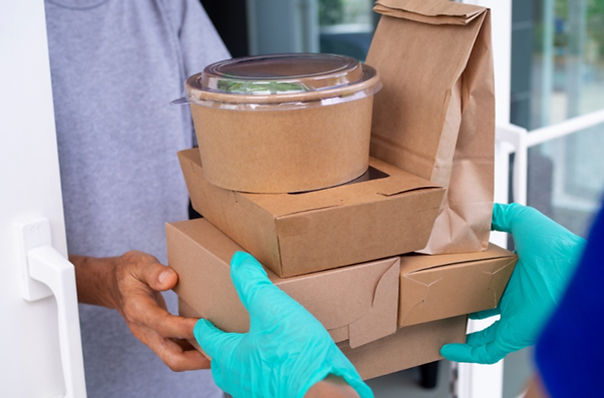


5 Key Factors When Choosing Food Delivery Packaging
1. Invest in Eco-Friendly Packaging
Polystyrene foam (commonly known as Styrofoam) has been restricted or banned in many states and municipalities due to its inability to break down. In its place, there’s now a wide range of compostable and recyclable containers that retain heat, hold up during transport, and maintain the integrity of your dishes.
2. Prioritize Tamper-Evident and Sanitary Design
Seals, stickers, or tamper-evident containers show customers you’ve taken care from the kitchen to their door. These seemingly small touches enhance trust and repeat business.
3. Maintain the Quality of the Delivery Experience
Being eco-conscious doesn’t mean sacrificing quality. Choose containers that support your food’s freshness, texture, and temperature. Good packaging = great customer experience.
4. Brand Your Packaging
Branded packaging not only reinforces your restaurant’s identity but can take the place of disposable menus or flyers. Logos, taglines, or QR codes add a touch of polish and promote loyalty.
5. Choose the Right Sizes and Shapes
From sandwiches to soups, every dish has a packaging match. Don’t force one-size-fits-all—select styles that suit your menu for better presentation and performance.
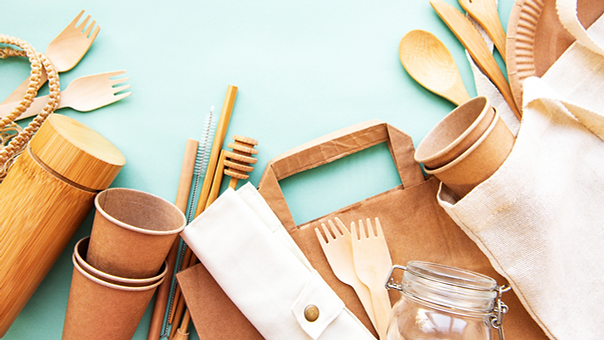
Top To-Go Packaging Options
- Clamshells: Often made from compostable materials, these are top performers for heat retention and maintaining the texture of foods like burgers.
- Salad Bowls: Made from bagasse (a sugarcane byproduct), these bowls are sturdy, stackable, and ideal for salads or grain bowls.
- Soup Containers: Leak-proof and recyclable, these maintain temperature while minimizing spills.
- Folding Kraft Boxes: Ideal for sandwiches or wraps, they’re recyclable and compact.
- Seal-Top Boxes: Perfect for saucy entrées and pastas, they’re made from recycled plastics or recyclable polypropylene, offering secure closures for safe transport.
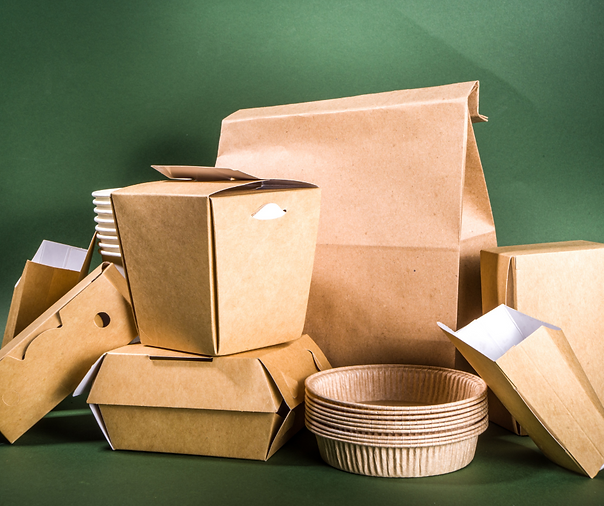
Packaging Materials, Explained
- Compostable: Designed to break down into nutrient-rich soil in commercial or home compost. Includes sugarcane (bagasse), bamboo, and some bioplastics.
- Biodegradable: Made from plant-based materials that break down naturally over time. (Note: Decomposition rates vary; local legislation is beginning to regulate use of this term.)
- Recycled & Recyclable: Often made from post-consumer materials like paper, kraft, or certain plastics. Reduces the need for new raw resources.
- Reusable: From coffee cups to durable salad bowls, these encourage repeat use. Some restaurants offer discounts to customers who bring their own.
Take Away
The eco-friendly delivery movement isn’t a trend—it’s a long-term shift. Choosing sustainable packaging doesn’t just help the environment—it reinforces your restaurant’s values, builds customer trust, and supports your bottom line.

By Eileen Strauss
