

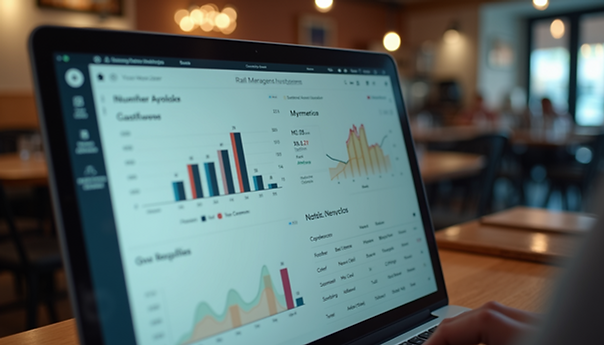
Running a restaurant is no easy feat. Many owners still juggle handwritten tickets, spreadsheets, or old cash registers to manage orders and sales. But in today’s tech-driven world, a modern Point of Sale (POS) system is no longer a luxury but a necessity. A POS system is the central hub that handles transactions, tracks orders, and connects the front of house to the kitchen and beyond. In other words, it’s more than just a cash register – it helps manage menus, track sales, coordinate orders, and even support online delivery.
If you’re a restaurant owner who hasn’t made the leap yet, it’s worth understanding why so many eateries are upgrading to POS technology. Below, we break down ten specific and compelling benefits of using a POS system in your restaurant. From faster service and fewer errors to better customer loyalty and online ordering integration, these advantages can streamline your operations and boost your bottom line.
Let’s dive into the top 10 benefits of a modern restaurant POS system:
1. Faster Order Processing and Checkout
Time is money in the restaurant industry. During a lunch rush or dinner peak, every second counts. A robust POS system expedites the ordering and checkout process, allowing your staff to serve customers quickly and efficiently. Here’s how a POS speeds up service:
- Quick order entry: Servers can input orders directly into a tablet or terminal, sending them instantly to the kitchen. No more running paper tickets back and forth, which means meals get prepared sooner.
- Streamlined payments: Modern POS systems process payments in seconds whether it’s cash, credit, or mobile pay. Features like splitting checks or adding tips are done with a tap, reducing time at the register.
- Faster table turnover: By speeding up ordering and checkout, tables free up faster for the next guests. This higher throughput lets you serve more customers, especially during peak hours, directly boosting your revenue.
When your POS eliminates bottlenecks, customers enjoy shorter wait times and your team can handle rush periods with ease. The result is a smoother operation and happier diners.
2. Greater Accuracy and Fewer Errors
3. Improved Inventory Management
4. Better Sales Reporting and Insights
5. Enhanced Customer Experience and Loyalty
6. Streamlined Employee Management
7. Seamless Online Ordering & Delivery Integration
8. Robust Security and Compliance
9. Higher Revenue and Cost Savings
10. Scalability and Future Growth
FAQs about Restaurant POS Systems
1: What is a restaurant POS system?
A restaurant POS (Point of Sale) system is a combination of hardware and software that restaurants use to manage sales transactions and operations. It typically includes a touchscreen terminal or tablet with POS software, along with peripherals like a cash drawer, receipt printer, and card reader. The POS system allows you to enter orders, send them to the kitchen, process payments (cash or card), and track all sales. Modern POS systems often have additional features for inventory tracking, staff time clocks, customer loyalty, and more – acting as an all-in-one management hub for the restaurant.
2: Why does my restaurant need a POS system instead of a cash register?
Compared to an old-fashioned cash register (or pen-and-paper system), a POS system offers far more capabilities that save time and reduce errors. With a POS, orders and payments are handled faster and more accurately, which improves customer service. It also automatically records detailed data about your sales and inventory, giving you valuable insights into your business. Traditional methods can’t easily provide reports on your best-selling items, busiest hours, or monthly revenues – but a POS can do all that in seconds. Additionally, features like credit card processing, splitting checks, and applying discounts are built into POS software, making daily operations much smoother. Overall, a POS system helps streamline your restaurant’s operations and positioning you for growth, which is hard to achieve with a simple cash register.
3: Can a POS system integrate with online ordering and delivery services?
Yes, many modern restaurant POS systems integrate with online ordering platforms and delivery services. Integration is a huge advantage because it means online orders (from your website or apps like DoorDash) flow directly into the POS. Your kitchen doesn’t have to juggle multiple tablets or re-enter orders manually – the POS consolidates all orders in one place. For example, Sauce’s POS integrations allow your online ordering system to sync with the POS in real time, so menu updates, orders, and inventory are all coordinated. You can typically also integrate other services like reservation systems or gift card platforms. When evaluating a POS, it’s wise to choose one that supports the key integrations your restaurant needs (online ordering, delivery dispatch, accounting software, etc.). This ensures a seamless tech ecosystem without duplicate work.
4: What features should I look for in a restaurant POS system?
When choosing a POS for your restaurant, look for features that align with your business needs. Some important ones include:
- Ease of use: The interface should be intuitive for you and your staff. Features like menu layout, order modifications, and payment processing should be straightforward to learn.
- Reliable support: Opt for a POS provider known for good customer support and uptime. You’ll want quick assistance if any issues arise during a busy dinner service.
- Inventory and menu management: If tracking stock is important, ensure the POS can handle ingredient-level inventory and easy menu updates (86’ing items, changing prices on the fly).
- Reporting and analytics: Good POS systems offer robust reporting on sales, profit, and other metrics. These insights help you run your business smarter.
- Integration capabilities: As mentioned, your POS should play well with others – whether that’s online ordering, delivery services, loyalty programs, or accounting tools. For example, if you plan to use an in-house online ordering platform, make sure the POS can integrate so everything syncs up.
Scalability: If you anticipate growth, choose a system that can scale (add more terminals, new locations, increased volume) without a hitch. Cloud-based systems often excel here, as they update and expand easily.
5: Is a POS system worth the cost for a small restaurant?
For most small restaurants, a POS system is absolutely worth the investment. While you will incur costs (either buying the hardware/software or paying a monthly fee), the benefits usually outweigh these expenses. The time saved on administrative tasks, the reduction in order errors, and the ability to serve customers faster can directly translate into cost savings and increased revenue. In fact, many small eateries find that their POS “pays for itself” through improved efficiency and fewer losses. Additionally, there are budget-friendly POS options available – from simple tablet-based systems with low monthly plans to pay-as-you-go models. Some providers even offer free basic plans (like a free app with per-transaction fees) which can be ideal for new small businesses. The bottom line is that even a tiny café can benefit from the professionalism and insight a POS brings. It helps level the playing field by giving you tools to manage your business like larger restaurants do, but at a scale and price suited to you.
