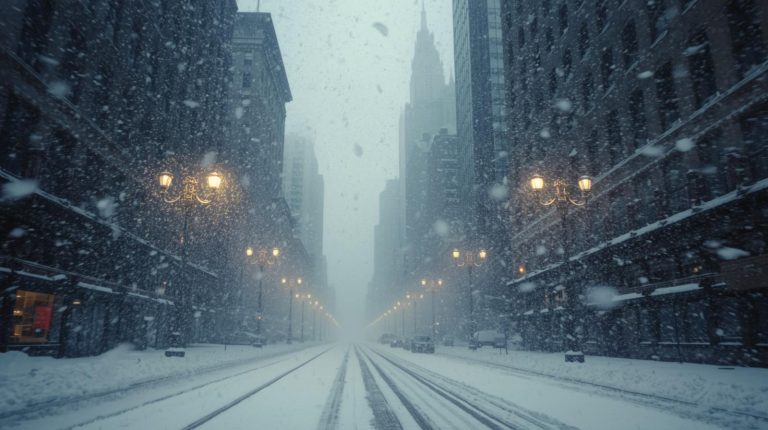
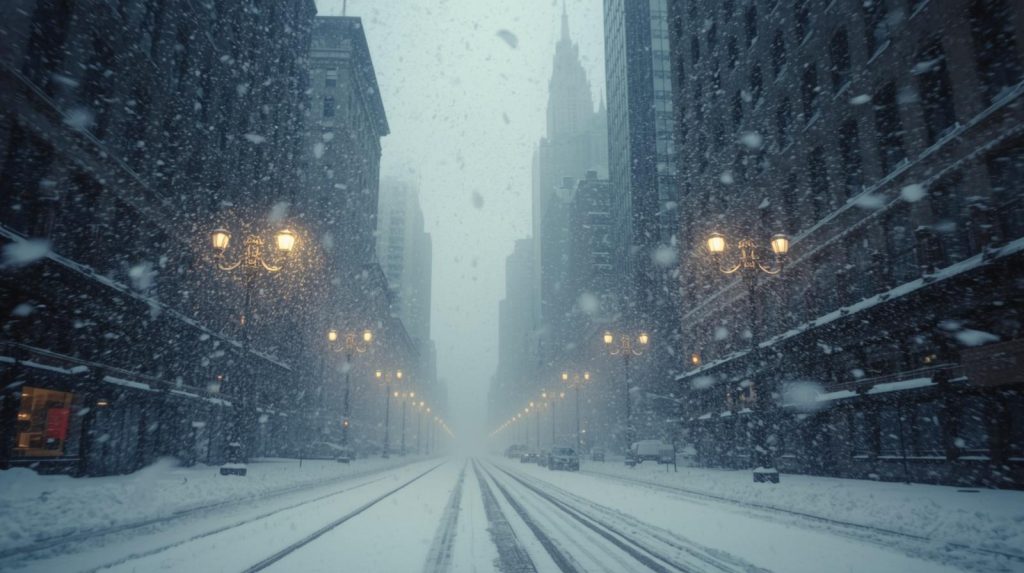
Winter Storm Fern is disrupting much of the United States, with cities like Philadelphia experiencing conditions not seen in over a decade. As the January storm disrupts schools, flights, and public transit along the I-95 corridor, restaurants are weathering the storm with deliver-first strategies.
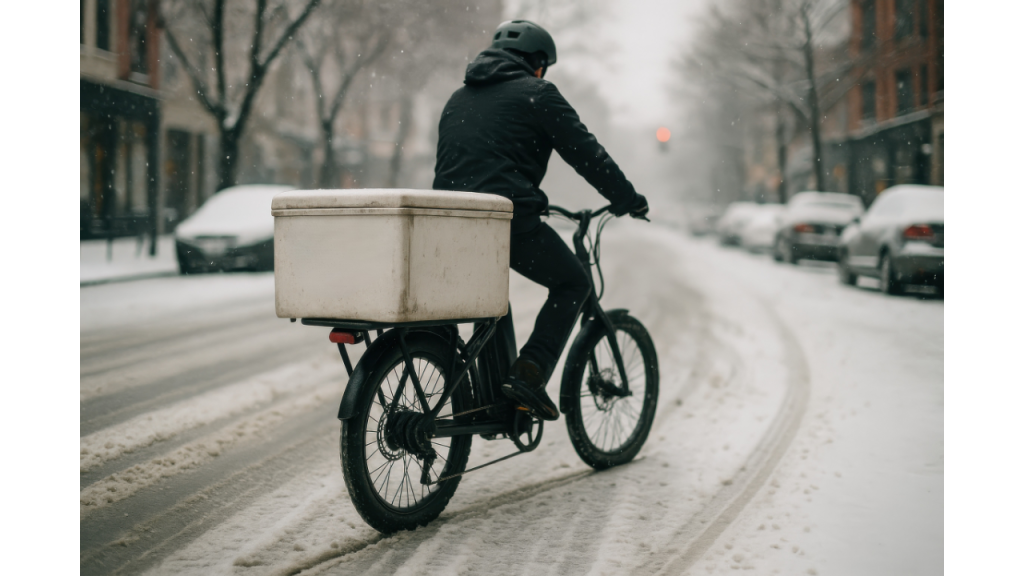
Cold weather already presents measurable challenges for restaurants. Snowstorms can drive a 10–40% decline in in-person dining, while cold, wet days are associated with a 2–3% drop in daily revenue. Dinner service is often hit hardest, as customers opt to stay home rather than navigate icy roads, limited transit, and unsafe conditions.
The upside: when dining rooms slow, delivery and takeout often surge. During extreme cold, comfort-food categories—pizza, wings, pastas, soups, and family meals—frequently see increased order volume, creating a critical opportunity for restaurants that pivot quickly.
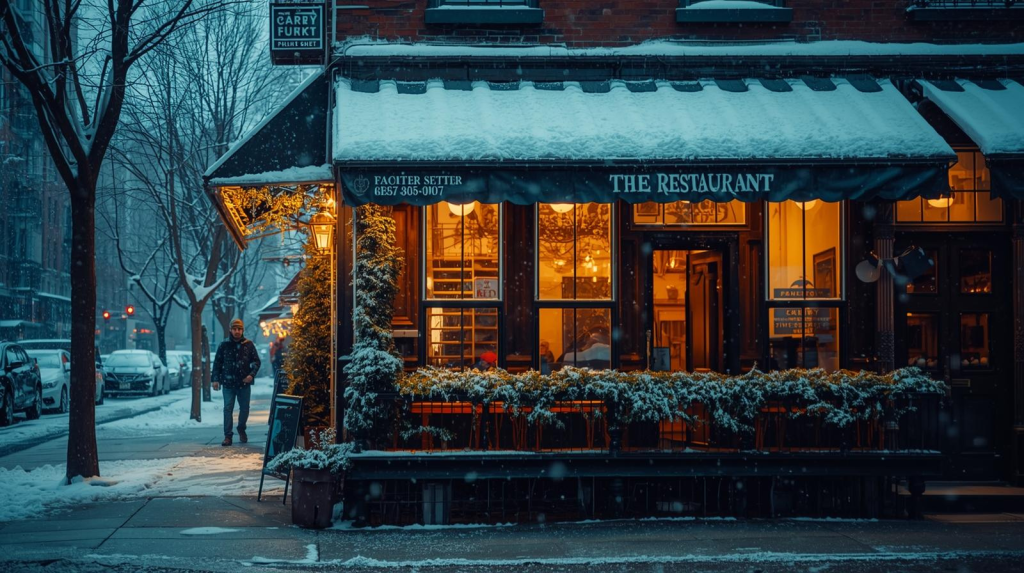
The Real Impact of Winter Weather on Restaurants
Declining Foot Traffic
Snow, ice, and unsafe travel conditions discourage dine-in visits, leading to empty tables and shortened peak periods.
Seasonal Revenue Slumps
January and Q1 are historically the slowest months for restaurants. Severe winter weather compounds the issue, with same-store sales often dipping further during prolonged cold snaps.
Segment Differences
Quick-service and fast-casual restaurants tend to feel temperature drops more acutely than fine dining, where reservations and planned occasions offer some insulation.
Shift to Delivery and Takeout
As customers stay home, delivery becomes a critical revenue channel rather than a secondary option.
Operational Disruptions
Extreme conditions can force early closures, limited staffing, or full shutdowns—making flexibility essential.
How Restaurants Are Responding
Operators that adapt quickly during storms tend to fare better by:
- Promoting delivery aggressively across owned channels
- Running short-term, weather-specific offers that create urgency
- Highlighting comfort foods and bundled meals
- Adjusting hours and staffing to match demand patterns
While winter is traditionally slow for the restaurant industry, the most significant losses often come during severe, unpredictable weather events. Restaurants that pivot fast—meeting customers where they are—are far more likely to weather the storm.
Storm-Ready Restaurant Promotions
When severe weather hits, speed matters. The most effective promotions are simple, delivery-first, and easy to understand at a glance.
1. Snowed-In Free Delivery
Remove friction when customers are hesitant to order. Offer free delivery during storm conditions or for 24–48 hours after snowfall.
2. Cold-Weather Comfort Bundles
Drive higher-order values with fewer kitchen decisions. Bundle entrées with sides, soups, or hot beverages, or offer family-style meals designed for staying in.
3. Storm-Hour Flash Deals
Create urgency during slow dinner windows. Run limited-time discounts (for example, 5–7 PM) when foot traffic is lowest, but delivery demand is peaking.
4. “Stay Home Tonight” Repeat-Order Incentives
Encourage customers to order more than once during the week. Include a bounce-back code with every delivery, valid for the next 3–5 days.
5. City-Specific Recovery Specials
Lean into local identity and shared experience. Call out your city or neighborhood directly—Philadelphia, New York, Baltimore—and position the offer as helping customers get through the storm together.
Take Away: Why This Matters
Winter Storm Fern isn’t a one-day disruption—it’s a reminder of how quickly winter weather can upend restaurant operations.
Across long, unpredictable seasons like this, storms rarely arrive alone. Cold snaps, snow events, and transit disruptions often come in waves, creating ongoing pressure on foot traffic, staffing, and supply chains.
Restaurants that rely heavily on dine-in traffic feel these impacts first. But operators who consistently promote delivery, streamline menus, and deploy weather-responsive offers are better positioned not just to survive individual storms—but to stay resilient throughout the winter months.
In times like this, success isn’t about waiting out one event. It’s about building systems that flex with the weather—meeting customers where they are, keeping kitchens moving, and turning disruption into dependable demand, storm after storm.

By Eileen Strauss