Margins are tighter. Labor is costlier. Food costs are unpredictable.
In 2026, as restaurants prepare to file taxes for the 2025 tax year, profitability is not just about increasing sales. It is about protecting what you earn.
Every dollar you legally deduct is a dollar that does not inflate your taxable income. Yet many restaurant operators leave money on the table each year simply because they do not realize what qualifies, what has changed, or what requires better documentation.
This is not about aggressive tax strategies. It is about understanding the deductions and credits that materially impact restaurant businesses, from COGS and payroll to tip credits, technology investments, and equipment write-offs.
If you are already tracking expenses, this guide will help you track smarter.
And if you are not, now is the time.
*Disclaimer: This content is provided for informational purposes only and is not legal, tax, or accounting advice. Restaurant owners are responsible for complying with federal, state, and local tax laws and should consult a qualified tax professional regarding their specific situation.

Core Operational Deductions
Most restaurant tax deductions fall into a few high-impact categories. The key is knowing where the biggest financial leverage lives and ensuring documentation supports every claim.
These are the major categories every operator should already be tracking carefully.
-
Cost of Goods Sold (COGS)
COGS remains one of the largest deductions in a restaurant business. It includes:
- Raw ingredients
- Beverage inventory
- Condiments, oil, and perishables
- Spoilage and waste
- Direct kitchen labor tied to food production
Tight inventory management does not just protect food cost percentage. It protects taxable income.

-
Payroll and Employer Taxes
Employee wages, salaries, bonuses, and employer-paid payroll taxes are fully deductible business expenses. This includes:
- Social Security and Medicare contributions
- Federal and state unemployment taxes
- Employer contributions to benefits
Labor is often the largest line item on your P&L. It is also one of your largest deductions.
-
Rent, Utilities, and Maintenance
You can deduct:
- Commercial rent or mortgage interest
- Electricity, gas, and water
- Cleaning services
- Repairs and maintenance
Routine repairs are deductible. Capital improvements are handled differently, which brings us to the next section.
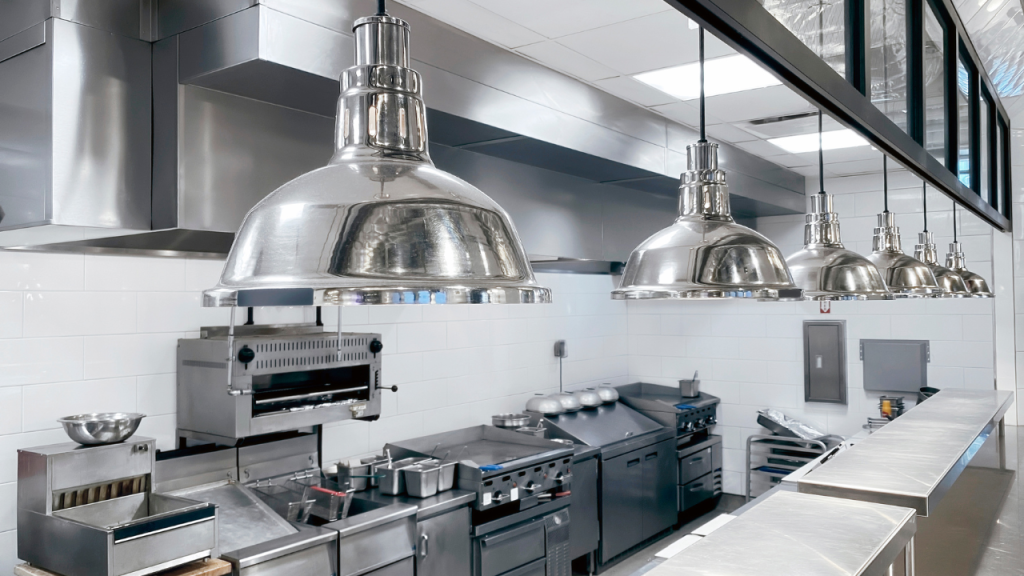


High-Value Equipment & Depreciation Strategies
Big purchases do not have to mean long tax timelines.
-
Section 179 Deduction
Under Section 179, restaurants may deduct the full cost of qualifying equipment in the year it is placed into service, rather than depreciating it over several years.
This can include:
- Ovens and ranges
- Walk-in refrigerators and freezers
- POS systems
- Tables, chairs, and bar equipment
- Delivery vehicles
For operators renovating or expanding in 2026, this can significantly reduce taxable income in a high-investment year.
-
Bonus Depreciation
Bonus depreciation rules have shifted in recent years, and percentages continue to phase down. Still, qualifying equipment and improvements may allow accelerated write-offs.
If you upgraded major kitchen equipment or completed leasehold improvements, it is worth reviewing how those assets are being depreciated.
-
Qualified Improvement Property (QIP)
Interior improvements to commercial property, such as:
- Dining room renovations
- Bar remodels
- Interior build-outs
May qualify for accelerated depreciation under current tax law. This is especially relevant for restaurants refreshing their spaces or adding pickup and delivery zones.

Technology and Off-Premise Deductions
The modern restaurant is a technology business as much as a food business.
-
POS, Online Ordering, and Software Subscriptions
Deductible technology expenses include:
- POS systems
- Online ordering platforms
- Inventory management tools
- Payroll software
- Reservation systems
- Email and SMS marketing platforms
- Website hosting and maintenance
If you are investing in first-party ordering and direct customer relationships, these tools are not just operational assets. They are deductible expenses.
-
Credit Card and Payment Processing Fees
Every transaction fee adds up.
Stripe, Square, Toast, and other payment processors charge fees that are fully deductible as ordinary business expenses.
As digital ordering grows, this category often becomes larger than operators expect.
Labor-Related Credits That Reduce Tax Liability
Credits are more powerful than deductions because they reduce tax owed dollar-for-dollar.
-
Work Opportunity Tax Credit (WOTC)
If your restaurant hires individuals from targeted groups such as veterans or long-term unemployed workers, you may qualify for the Work Opportunity Tax Credit.
This can provide a credit of up to 40 percent of eligible first-year wages, subject to caps.
Many operators overlook this entirely.
-
FICA Tip Credit
Restaurants can claim a credit on the employer portion of Social Security and Medicare taxes paid on tip income that exceeds minimum wage requirements.
For full-service restaurants, this credit can be substantial.

Frequently-Overlooked Deductions
These do not always show up in standard checklists, but they affect the bottom line.
-
Energy-Efficient Equipment and Sustainability Incentives
Energy-efficient upgrades may qualify for federal or state incentives.
Potential qualifying investments include:
- Energy Star kitchen equipment
- LED lighting
- High-efficiency HVAC systems
With rising utility costs, improving efficiency can lower operating expenses and generate tax advantages.
-
Professional Fees
Accounting, legal, bookkeeping, and consulting fees are deductible.
Investing in good advice often pays for itself.
-
Marketing and Advertising
You can deduct:
- Website design and development
- Social media management
- Paid ads
- Creative services, such as copywriters and photographers
- Email marketing software
If you are building direct channels and customer retention programs, these costs are part of growing your business.
-
Business Vehicle Expenses
If you use a vehicle for catering, supply runs, or multi-location oversight, you may deduct:
- Mileage
- Fuel
- Maintenance
- Insurance
Accurate tracking is critical.
-
Startup and Expansion Costs
Opening a new location in 2026? Certain startup and organizational costs may be deductible or amortized, including:
- Legal and licensing fees
- Market research
- Pre-opening training
- Site visits

The 20% Qualified Business Income Deduction
* For many independent operators structured as pass-through entities such as LLCs,
S corporations, or sole proprietorships, the Qualified Business Income deduction may allow up to 20% of qualified income to be deducted.
Eligibility depends on income levels and other factors, but this is one of the most significant provisions affecting small business owners.
*Disclaimer: This content is provided for informational purposes only and is not legal, tax, or accounting advice. Restaurant owners are responsible for complying with federal, state, and local tax laws and should consult a qualified tax professional regarding their specific situation.

Protecting Your Bottom Line
Driving revenue is only half the equation.
The other half is making sure you do not overpay the IRS.
Strategic tax planning, proactive tracking, and understanding the deductions and credits available to restaurants can materially improve net profit.
The operators who pay as much attention to their books as they do their menu engineering are the ones who protect margin long term.
As always, consult with a qualified tax professional to determine how these deductions apply to your business.
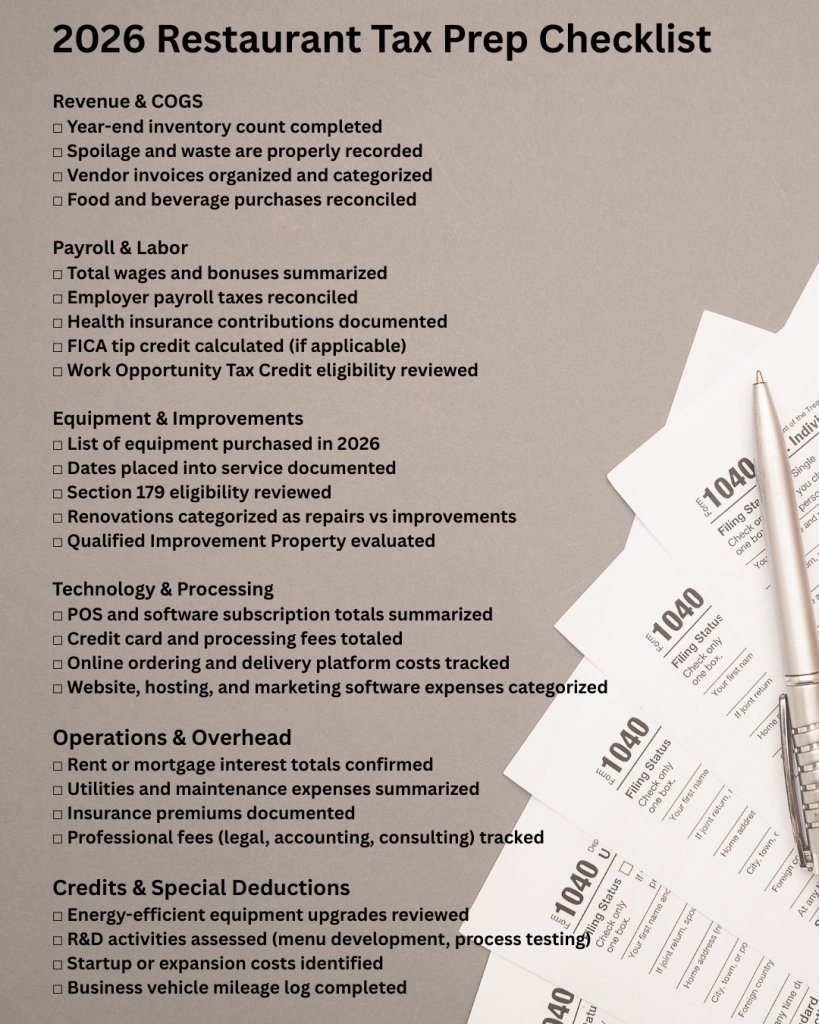
2026 Restaurant Tax Prep Checklist
(Operator Quick-Review Guide)
Before you hand your books to your accountant, confirm you have:
Revenue & COGS
☐ Year-end inventory count completed
☐ Spoilage and waste
☐ Vendor invoices organized and categorized
☐ Food and beverage purchases reconciled
Payroll & Labor
☐ Total wages and bonuses summarized
☐ Employer payroll taxes reconciled
☐ Health insurance contributions documented
☐ FICA tip credit calculated (if applicable)
☐ Work Opportunity Tax Credit eligibility reviewed
Equipment & Improvements
☐ List of equipment purchased in 2026
☐ Dates placed into service documented
☐ Section 179 eligibility reviewed
☐ Renovations categorized as repairs vs improvements
☐ Qualified Improvement Property evaluated
Technology & Processing
☐ POS and software subscription totals summarized
☐ Credit card and processing fees totaled
☐ Online ordering and delivery platform costs tracked
☐ Website, hosting, and marketing software expenses categorized
Operations & Overhead
☐ Rent or mortgage interest totals confirmed
☐ Utilities and maintenance expenses summarized
☐ Insurance premiums documented
☐ Professional fees (legal, accounting, consulting) tracked
Credits & Special Deductions
☐ Energy-efficient equipment upgrades reviewed
☐ R&D activities assessed (menu development, process testing)
☐ Startup or expansion costs identified
☐ Business vehicle mileage log completed

Takeaway
Tax season should not be reactive.
The restaurants that protect profit are not scrambling in March. They are tracking in real time. They understand where deductions live inside their operation, they document consistently, and they treat tax planning as part of margin strategy, not an afterthought.
Revenue drives growth.
Smart deductions protect the revenue you keep.
FAQs
What is the biggest tax deduction for restaurants?
For most restaurants, Cost of Goods Sold and payroll expenses represent the largest deductions. Together, they often account for the majority of deductible operating costs.
Can restaurants deduct kitchen equipment in one year?
In many cases, yes. Under Section 179, qualifying equipment may be fully deducted in the year it is placed into service, subject to limits. Bonus depreciation may also apply depending on current law.
Are credit card processing fees tax-deductible?
Yes. Payment processing fees from providers such as Stripe, Square, and Toast are considered ordinary business expenses and are fully deductible.
What is the FICA tip credit?
The FICA tip credit allows restaurants to claim a credit on the employer portion of Social Security and Medicare taxes paid on tip income above minimum wage. This can significantly reduce tax liability for full-service operators.
Do marketing and website costs count as business deductions?
Yes. Website development, hosting, advertising, social media management, email marketing platforms, and creative services are generally deductible business expenses.
Should restaurant owners rely on this guide instead of an accountant?
No. This guide is informational. Tax law varies by situation, and restaurants should consult a qualified tax professional to ensure compliance and optimize strategy.
by Eileen Strauss