For decades, beverage programs followed a predictable formula: Soda. Beer. Wine. Cocktails. Done.
That model worked when beverages were simply an accessory to the meal.
But as of 2026, there’s been a major shift.
Today, the beverage menu is one of the most controllable and scalable margin levers inside a restaurant. It requires less labor than food, works efficiently in delivery, and responds quickly to shifts in consumer behavior.
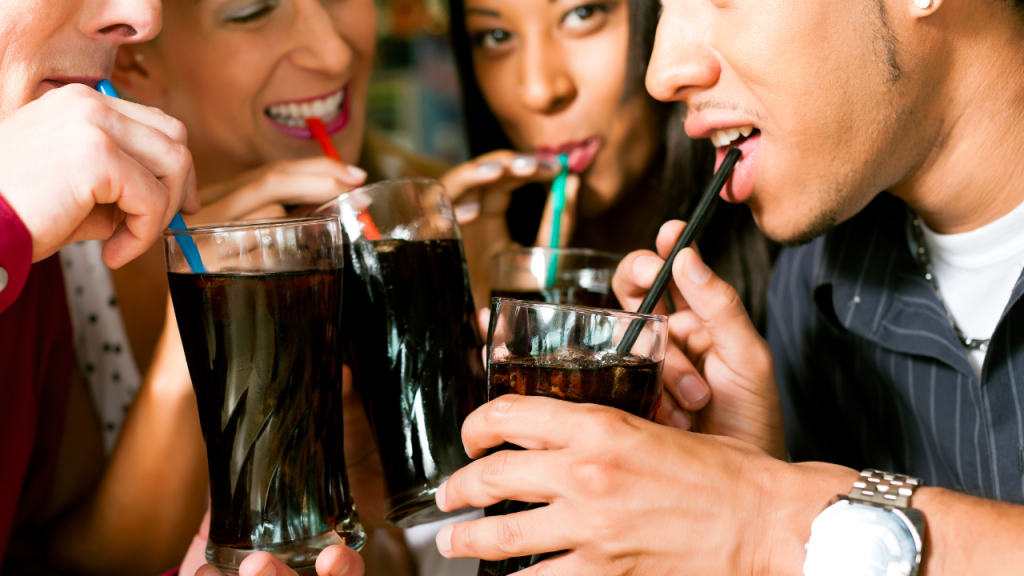
Even something as simple as soda is no longer static. As beverage trends transform restaurant beverage sales, operators are turning basic fountain drinks into customizable, high-margin experiences that drive social buzz and incremental revenue.
American drinking habits have changed dramatically, and restaurants that treat beverages as an afterthought are leaving serious revenue on the table.
In 2026, beverage is not a side item. It’s a strategy.
For restaurant operators, this shift is not just cultural. It is financial. Beverage is one of the fastest ways to increase average ticket size without increasing labor or kitchen complexity.
From sober-curious consumers to premium non-alcoholic options, functional drinks, and alcohol delivery integrations, the beverage segment is evolving fast. Operators who recognize this shift are protecting margins, stabilizing revenue, and strengthening their delivery strategy without adding kitchen strain.
Let’s break down what is happening and how restaurants can respond.
The Rise of the Sober-Curious Consumer
Alcohol consumption among younger consumers continues to decline. Gen Z and Millennials are drinking less, spacing out alcohol consumption, or eliminating it.
But here is the key.
They are not ordering water.
They still want experience. They want something elevated. They simply want it without alcohol.
That means:
-
- Crafted mocktails
-
- Zero-proof spirits
-
- Non-alcoholic beer and wine
-
- Elevated soda alternatives
-
- Functional beverages with adaptogens or botanicals
We explored this shift in our article, Designated Diners: Sober Beverages Shaking Up Restaurant Menus, outlining why zero-proof offerings are becoming serious revenue drivers rather than novelty items.
This is a major opportunity for restaurants. Non-alcoholic cocktails often carry margins similar to alcoholic beverages without liquor cost.
The mistake is offering one lonely mocktail at the bottom of the menu.
The opportunity is building a real zero-proof section that commands attention and pricing power.

Premiumization Over Volume
Consumers may be drinking less alcohol overall, but when they do drink, they are trading up, with fewer drinks, higher quality, and more intentional spending.
What we’re seeing:
-
- Small-batch spirits
-
- Craft cocktails
-
- Elevated espresso programs
-
- House-made lemonades and teas
-
- Premium bottled beverages
This is where strategy matters. In our guide to turning your restaurant wine program into a profit center, we outline how thoughtful curation, pricing structure, and positioning can elevate wine from a passive menu category to an active margin engine.
Premiumization is not about adding more SKUs. It is about designing a beverage portfolio that supports brand perception and average ticket growth.
And that strategy must extend to delivery.
As food delivery trends continue to shape restaurant ordering, customers are increasingly comfortable adding beverages when they are intelligently bundled and seamlessly positioned in the online ordering flow.
High-quality beverages translate extremely well into bundle pricing and strategic add-ons when integrated directly into your digital storefront.
 Functional Beverages Going Mainstream
Health-forward beverages are no longer niche.
What consumers want:
-
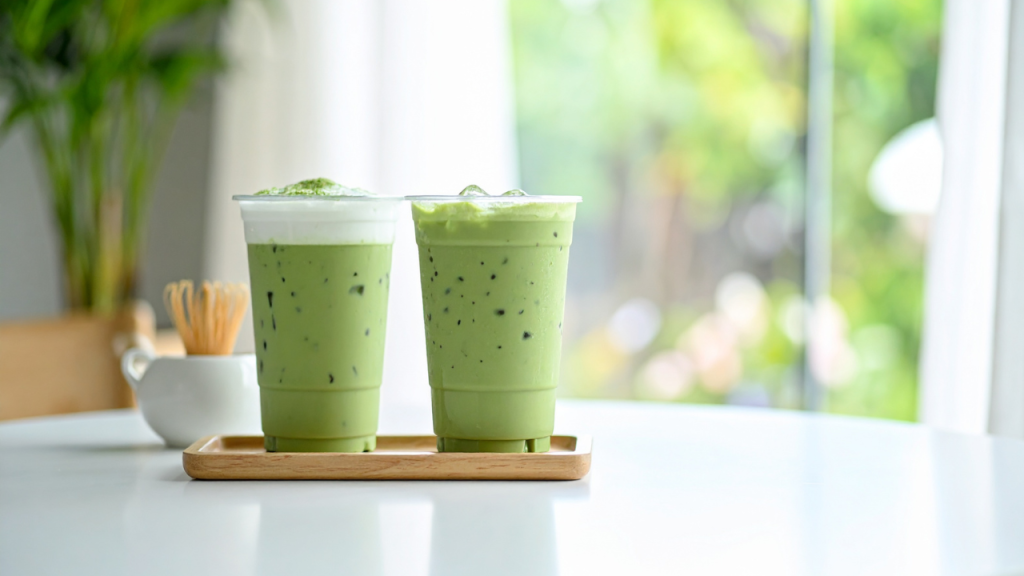
- Matcha
-
- Kombucha
-
- Cold-pressed juices
-
- Electrolyte drinks
-
- Mushroom-based beverages
-
- Protein-enhanced drinks
These drinks require minimal prep compared to food, yet they command strong price points.
As the no- and low-alcohol beverage movement continues to expand, functional drinks sit at the intersection of wellness and experience. They give sober-curious guests something aspirational rather than restrictive.
For restaurants looking to offset rising food costs, beverage innovation can increase average order value without increasing labor complexity.
Alcohol Delivery and Margin Strategy
When state laws allow alcohol delivery, beverages become even more powerful.
Alcohol delivery can drive higher profits by attracting a wider customer base and enhancing your restaurant’s image. But before adding alcohol delivery to your menu, there are critical compliance issues to consider.
Regulations surrounding alcohol delivery can be complex and vary significantly between states, counties, and municipalities. Requirements differ depending on whether you are a restaurant, liquor store, or retailer.
Before adding alcohol to your delivery program, operators should review state-specific regulations and determine whether a certificate is required. Our guide to restaurant alcohol delivery certificates and state regulations outlines the key considerations.
For restaurants still securing a liquor license, our step-by-step guide to obtaining a restaurant liquor license breaks down the approval process, helping operators avoid costly delays.
Once compliant, smart restaurants are:
-
- Creating beer and wing bundles
-
- Offering Game Night beverage add-ons
-
- Building pre-configured drink pairings
-
- Pricing six-packs as seamless cart add-ons
The key is ease. If adding a beverage requires multiple clicks, customers skip it.
As our research into current food delivery trends impacting restaurant revenue shows, convenience drives conversion.
When done right, beverages can significantly increase average order value with almost no incremental kitchen stress.

The Social Media Effect
Platforms like TikTok are amplifying beverage trends overnight.
Just one viral drink can:
-
- Drive foot traffic
-
- Spike delivery orders
-
- Sell out inventory in hours
From aesthetic matcha lattes to indulgent milkshakes, beverages are visually shareable and operationally scalable.
But viral moments create volume. Volume without margin discipline creates stress.
Trending beverages must:
-
- Be engineered for speed
-
- Have clear portion control
-
- Protect profitability
-
- Be featured prominently on your direct ordering platform
Visibility without strategy leads to chaos. Visibility with structure leads to growth.
Revenue-Boosting Trends
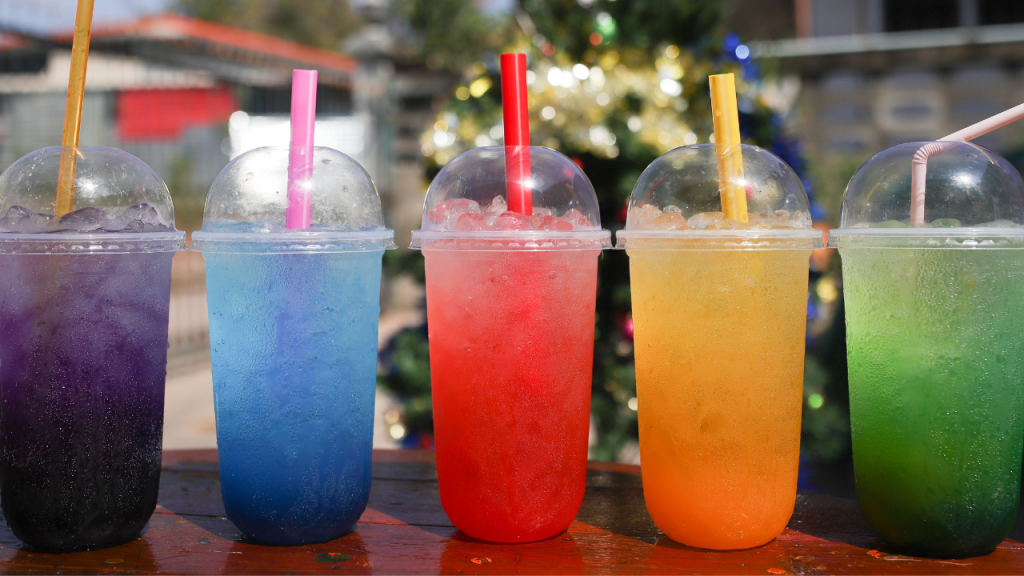
Despite consumer obsession with health and wellness, indulgent trends like dirty soda are proving that creativity still sells.
A fizzy blend of soda, flavored syrups, and creamy add-ins, dirty soda has become a viral non-alcoholic sensation. What started as a social media moment has evolved into a customizable, high-margin beverage category.
For restaurants, dirty soda represents:
-
- A low-cost, high-margin menu addition
-
- A sober-friendly indulgence
-
- A customizable experience that drives repeat visits
The key is not to chase every trend; rather, it is to identify which trends can become menu stars.
Creating New Dayparts
Some beverage trends do more than spike engagement. They create new revenue windows.
Take the Sleepy Girl Mocktail, a functional, non-alcoholic beverage built around tart cherry juice and magnesium. Rooted in relaxation and wellness, it reflects a growing consumer shift toward nighttime rituals.
For restaurants, this signals opportunity.
Wellness-forward beverages can:
-
- Support late-night delivery
-
- Be bundled into themed kits
-
- Drive incremental revenue during slower dayparts
When structured strategically, beverage programs can extend operating hours without expanding kitchen complexity.
 Takeaway
The restaurants winning in 2026 will not be reacting to beverage trends. They’ll be engineering for them.
They:
-
- Build intentional zero-proof sections
-
- Bundle beverages into high-margin add-ons
-
- Position premium drinks as revenue accelerators
-
- Promote beverage choices directly in their online ordering flow
-
- Capture customer data through strategic drink programs
Beverage is one of the few categories that can increase average ticket size without increasing labor or kitchen strain.
If you’re navigating rising food costs, shifting alcohol consumption habits, and evolving delivery behavior, your beverage program is not secondary.
Be strategic. Treat it like a revenue channel, merchandise it, bundle it, own it.
Because in today’s market, what’s in the glass is not just a complement to what’s on the plate.
It is a profit center.

By: Eileen Strauss