

Social media influencers have become one of the most powerful discovery engines in the restaurant industry. From TikTok food reviewers to local Instagram creators, influencers now play a major role in how customers decide where to eat.
In fact, many restaurants are seeing real customer traffic after a single viral post.
In our article, The TikTok Effect: How Influencers Are Impacting Restaurant Demand, we explore how creators are reshaping restaurant discovery and driving real revenue.
But as more restaurants explore influencer partnerships, one question comes up quickly.
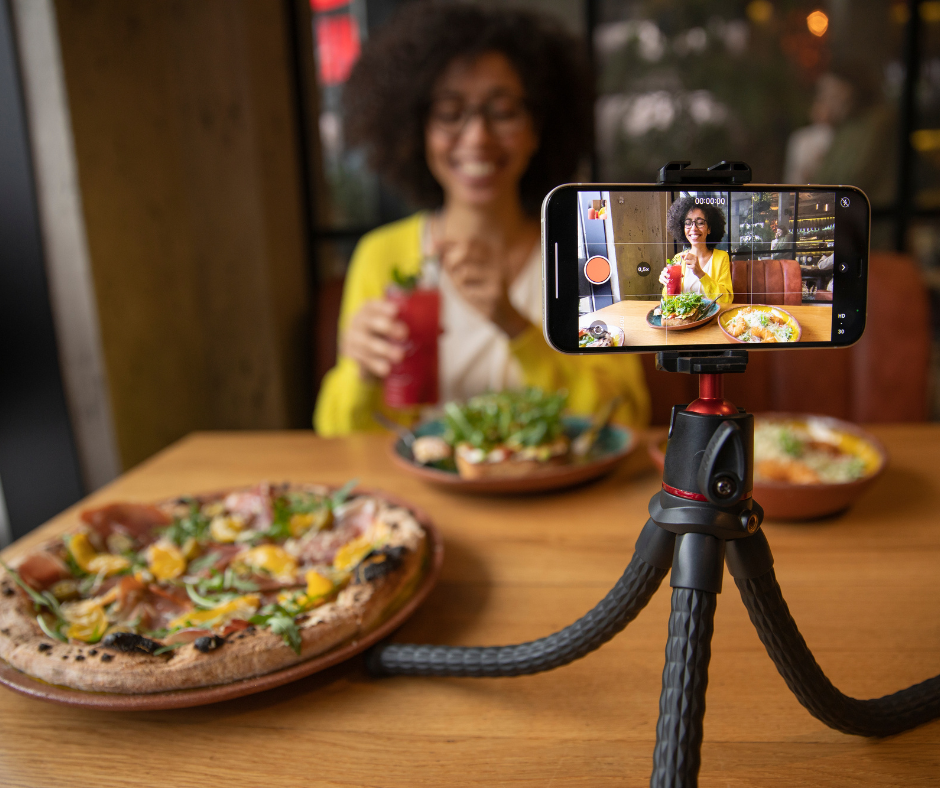
How much does it cost to work with an influencer?
Influencer marketing rates vary widely depending on platform, audience size, engagement, and the type of content being created. Understanding those costs can help restaurants make smarter marketing decisions and find the right creator for their brand.
Stats to Consider
• 72% of people research restaurants on social media before deciding where to eat.
Source: Menu Tiger
• 74% of diners say social media influences where they choose to eat.
Source: Cropink
• More than 60% of diners say TikTok food content influences their restaurant choices.
Source: Marketing LTB
• 58% of consumers have visited a restaurant after seeing it on TikTok.
Source: olo.com
• Restaurants using short-form video see 2–3× faster audience growth than restaurants relying only on static posts.
Source: MarketingLTB
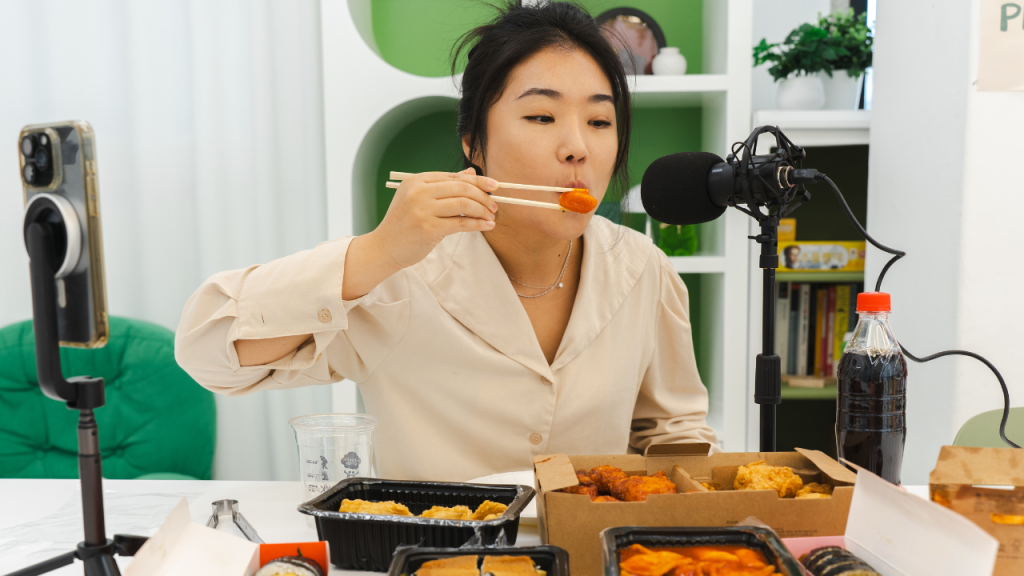
What Determines Influencer Rates
Several factors influence how much restaurants will pay for an influencer collaboration.
Audience Size
The size of an influencer’s following plays a major role in pricing. Influencers are typically grouped into five tiers.
- Nano Influencers
1,000 to 10,000 followers - Micro Influencers
10,000 to 50,000 followers - Mid Tier Influencers
50,000 to 500,000 followers - Macro Influencers
500,000 to 1,000,000 followers - Mega Influencers
More than 1 million followers
For restaurants, nano- and micro-influencers often deliver the strongest value. Their audiences tend to be more engaged and more likely to live nearby.
A creator with 15,000 local followers can often drive more real visits than a national influencer with a much larger but less localized audience.
Engagement Rate
Follower count does not always translate into influence. Engagement shows how actively an audience interacts with a creator’s content.
Restaurants should look at metrics such as comments, shares, saves, and video watch time. A creator whose followers regularly comment on dishes or ask where a restaurant is located may have a stronger influence on dining decisions than someone with a larger but less engaged audience.
Platform and Content Format
Different platforms require different types of content, which can affect pricing.
Short-form video platforms such as TikTok and Instagram Reels often require filming, editing, and storytelling, which can increase the cost of a collaboration. Photo posts typically require less production work and may cost less.
Video content also tends to drive stronger engagement for restaurants because viewers can see the dishes, the atmosphere, and the overall dining experience.
Location and Audience Relevance
For restaurants, audience location matters just as much as audience size.
A creator whose followers are concentrated in the same city as the restaurant is usually more valuable than someone with a large national audience. Local influencers often drive more immediate visits because their audience can realistically dine at the restaurant.
Content Production Quality
Influencers who produce high-quality video and photography often charge higher rates because they invest more time and equipment into creating their content.
Lighting, editing, storytelling, and overall presentation can make a big difference in how a restaurant appears in the final post.

Usage Rights and Licensing
If a restaurant wants to reuse influencer content for advertising or marketing materials, that should be discussed before the collaboration begins.
Influencers often charge additional fees if their content will be used in paid social media ads, website promotions, or other marketing campaigns.
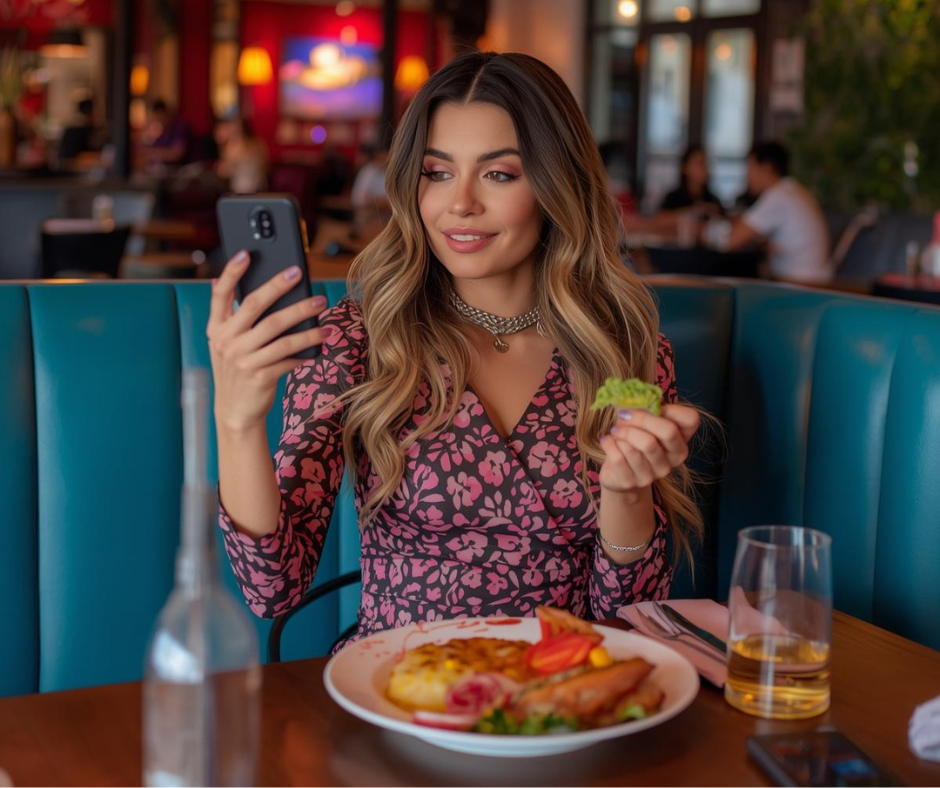
Influencer Rates by Platform (2026)
Rates vary by platform because each requires different content formats and production effort.
Short-form video currently drives the most restaurant discovery, which is why TikTok and Instagram Reels dominate many influencer campaigns.
Below are typical influencer rates in 2026.
TikTok Influencer Rates
TikTok has become one of the fastest ways for restaurants to gain visibility.
A single viral food review can generate massive attention and immediate customer demand.
Typical TikTok influencer pricing:
Nano Influencers
$100 to $400 per video
Micro Influencers
$400 to $2,000 per video
Mid Tier Influencers
$2,000 to $20,000 per video
Macro Influencers
$20,000 to $75,000 per video
Mega Influencers
$75,000+ per video
Because of TikTok’s discovery algorithm, even smaller creators can produce content that reaches hundreds of thousands of viewers.
Instagram Rates
Instagram remains a core platform for restaurant partnerships because of its strong visual storytelling.
Typical pricing:
Nano Influencers
$100 to $500 per post
Micro Influencers
$500 to $2,500 per post
Mid Tier Influencers
$2,500 to $10,000 per post
Macro Influencers
$10,000 to $50,000 per post
Mega Influencers
$50,000+ per post
Many restaurant collaborations include a mix of feed posts, Reels, and Stories.
YouTube Rates
YouTube collaborations often cost more because they require more time for filming and editing. However, YouTube videos also have a longer lifespan and can continue generating views months after publication.
Typical YouTube pricing:
Nano Influencers
$200 to $1,000 per video
Micro Influencers
$1,000 to $10,000 per video
Mid Tier Influencers
$10,000 to $50,000 per video
Macro Influencers
$50,000 to $100,000+ per video
Mega Influencers
$100,000+ per video
Why Local Influencers Often Work Best for Restaurants
Many restaurants assume they need a large influencer to generate results.
In reality, local creators often deliver the strongest impact.
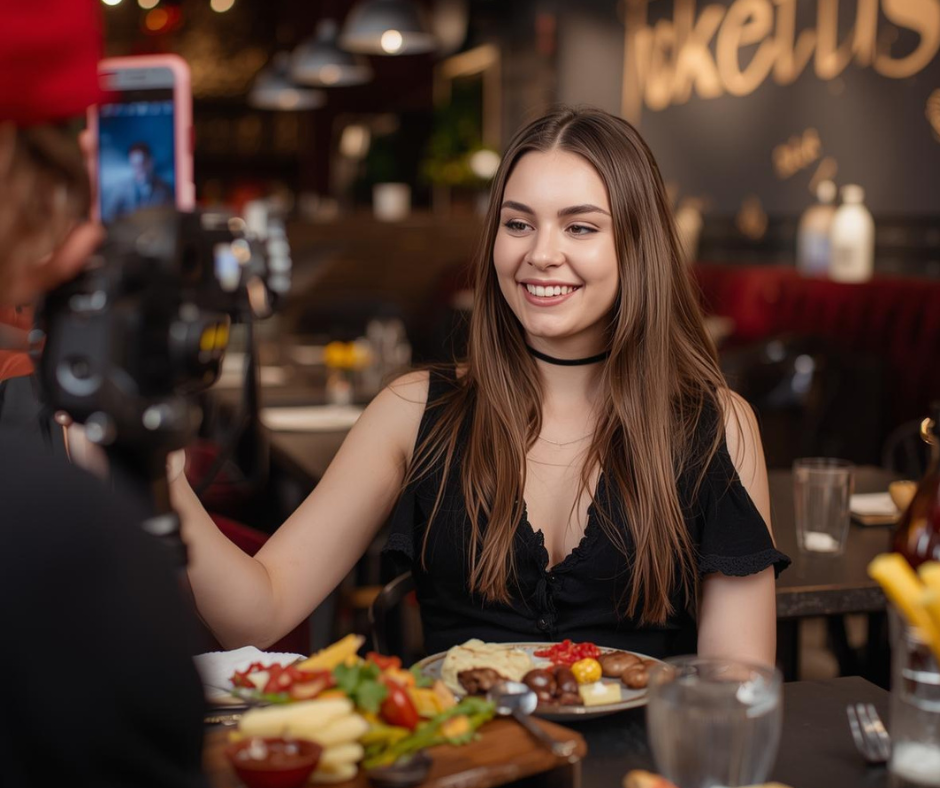
Local influencers typically have audiences that:
• live nearby
• are actively looking for dining recommendations
• trust the creator’s food opinions
• are more likely to visit soon after seeing the post
This makes smaller creators especially valuable for restaurant marketing.
Types of Influencer Partnerships for Restaurants
Restaurants can work with influencers in several different ways.
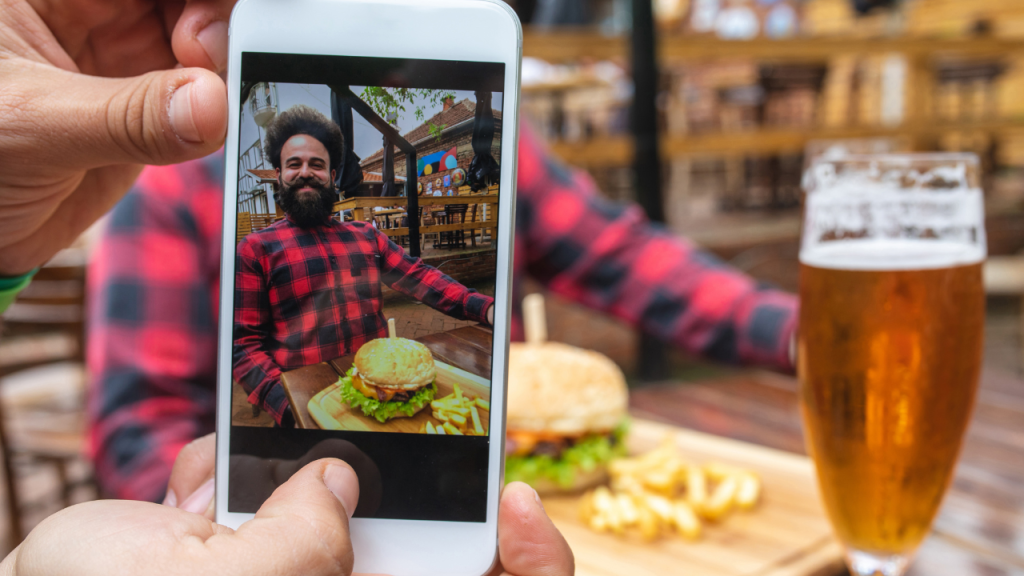
Sponsored Posts
The restaurant pays the influencer to create and share content about their dining experience.
Giveaways
Influencers host contests or giveaways that introduce the restaurant to new audiences.
Product Seeding
Restaurants invite influencers to dine for free in exchange for the opportunity to share their experience.
Affiliate Promotions
Influencers earn a commission when their followers place orders using a special code or link.
Brand Ambassadors
Some businesses develop long-term relationships with influencers who consistently promote the restaurant.
Take Away
Influencer marketing has become a powerful discovery tool for restaurants.
The right creator can introduce a restaurant to thousands of potential customers and generate real demand within hours.
But successful partnerships require more than simply choosing someone with a large audience.
Restaurants that understand influencer pricing, audience alignment, and content strategy are far more likely to see meaningful results.
When the partnership feels authentic, influencer marketing becomes more than promotion.
It becomes modern word of mouth.
by Eileen Strauss
