Dining out isn’t off the table, but in 2026, the way consumers are accessing restaurants has changed.
With rising costs, including gas prices, more diners are choosing to stay in rather than go out. Over the past six months, nearly a third of restaurant customers have cut back on spending, with even sharper pullback among lower-income households and Gen Z. But this shift isn’t just about spending less. It’s about being more selective with where and how they order.
Because in 2026, the question isn’t “Where should we go?”
It’s “What’s worth ordering?”
That shift is redefining what value means in delivery. It’s no longer something you can solve with discounts or lower prices. Competing on price alone erodes margins without building loyalty.
Today’s off-premise customer expects more. They want food that travels well, arrives as expected, and feels worth the total cost, including fees, tips, and delivery time.
And the restaurants that understand how to deliver on that are the ones winning right now.
Flavor That Travels
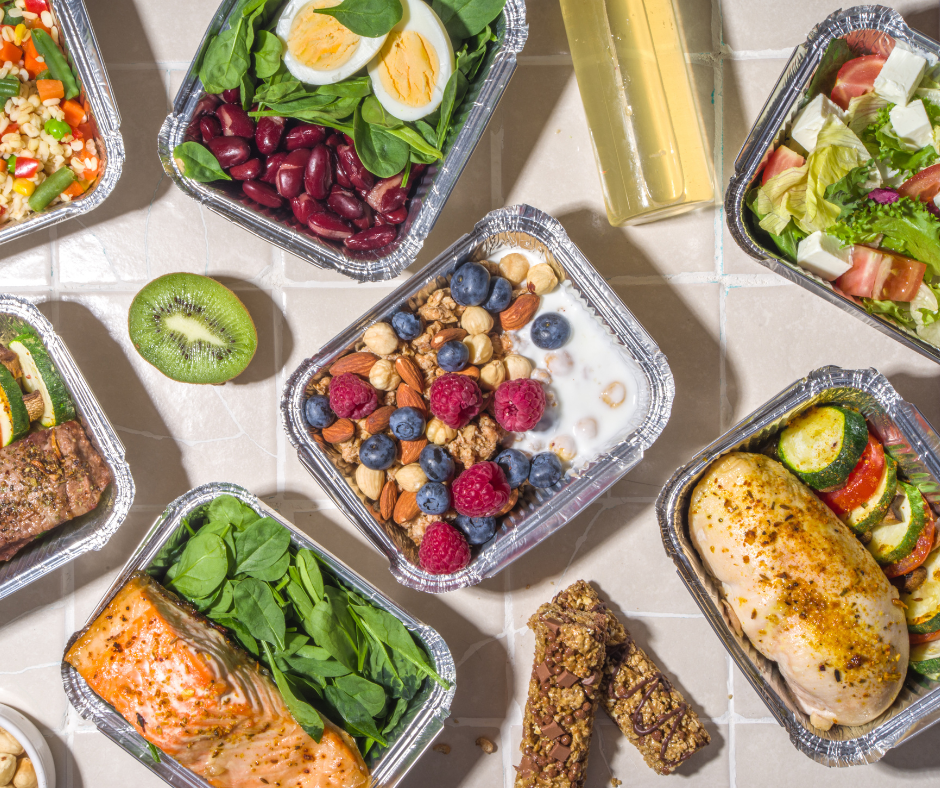
Flavor still drives value, but in delivery, it has to do more than taste good. It has to survive the trip.
Nearly half of consumers say taste is the most important factor in determining value, but that expectation doesn’t stop when the food leaves your kitchen. If anything, it increases. When customers are paying delivery fees, tips, and waiting longer, the food has to arrive and still deliver.
That’s where today’s flavor trends come into play.
High-impact additions like compound butters and cheesy spreads don’t just elevate taste. They improve texture, retain heat, and hold up better in transit, making them especially effective for delivery menus. They also create built-in pricing power, allowing operators to increase perceived value without overhauling core items.
Then there’s swicy, the sweet-meets-spicy trend that continues to gain traction. These bold, layered flavors maintain their intensity over time, making them ideal for off-premise dining. They also resonate with younger consumers, many of whom are more likely to order and even pay more for items labeled spicy.
If you’re looking to build a delivery menu that holds up and stands out, leaning into these kinds of high-impact flavor trends is a strong place to start. We break down more of what’s driving demand right now in Comfort, Conscious, and Curried: Top Food Delivery Trends Defining 2026.
The takeaway is simple. Flavor isn’t just about what happens in the kitchen. It’s about what arrives at the door.
Delivery Experience Is the Product
In delivery, the experience isn’t separate from the food. It is the product.
Most consumers say that good service and a positive experience make a meal feel more valuable, and in delivery, that experience is compressed into a few critical moments. Ordering, timing, accuracy, and packaging all carry more weight because they replace the in-person interaction.
This is where value is won or lost.
Orders that arrive late, incorrect, or poorly packaged immediately feel not worth it, no matter how good the food might be in-house. On the other hand, when an order shows up hot, intact, and exactly as expected, it builds trust.
And in delivery, trust drives repeat orders.
Consistency, attention to detail, and fast recovery when something goes wrong are what turn a one-time order into a habit. Those small moments define the experience, and the experience defines the value.
For restaurants looking to tighten that process from start to finish, thinking through every touchpoint matters, from how orders are placed to how issues are handled after delivery. It’s something we explore more in From Phone to Follow-up: Designing a Delivery-First Restaurant Experience.
How Delivery Value Differs
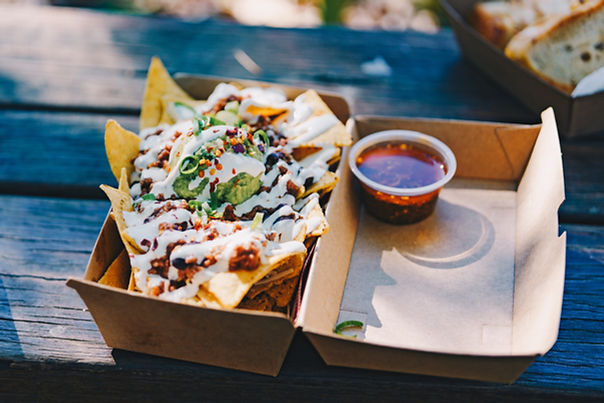
Value doesn’t translate one-to-one from dine-in to delivery. It’s evaluated differently.
In-house, customers factor in ambiance, service, and atmosphere. In delivery, all of that disappears. What’s left is the food, the packaging, and the experience of getting it.
At the same time, the perceived cost is higher. Between service fees, delivery charges, and tips, the final price often exceeds what the menu suggests. That raises expectations.
Accuracy matters more. Packaging matters more. Timing matters more.
A great dish that arrives cold, soggy, or incomplete doesn’t feel worth it, no matter how strong it is in-house. But when an order arrives hot, intact, and exactly as expected, it reinforces trust and increases the likelihood of repeat orders.
That’s the shift restaurants have to understand.
In delivery, value isn’t just created in the kitchen. It’s delivered, literally, at the door.
Quality Builds Trust
In delivery, customers don’t see your kitchen, your staff, or your process. They experience your brand entirely through the product that arrives at their door.
That makes quality even more important.
Most diners are still looking for a good deal, but not at the expense of food quality. They understand prices have increased, but their expectations haven’t. They still want consistency, freshness, and reliability every time they order.
If quality slips, trust follows.
And without trust, there’s no reason to reorder.
No amount of promotions or discounts can make up for a disappointing delivery experience. Quality is what turns a first order into a second.
Convenience Drives the Order
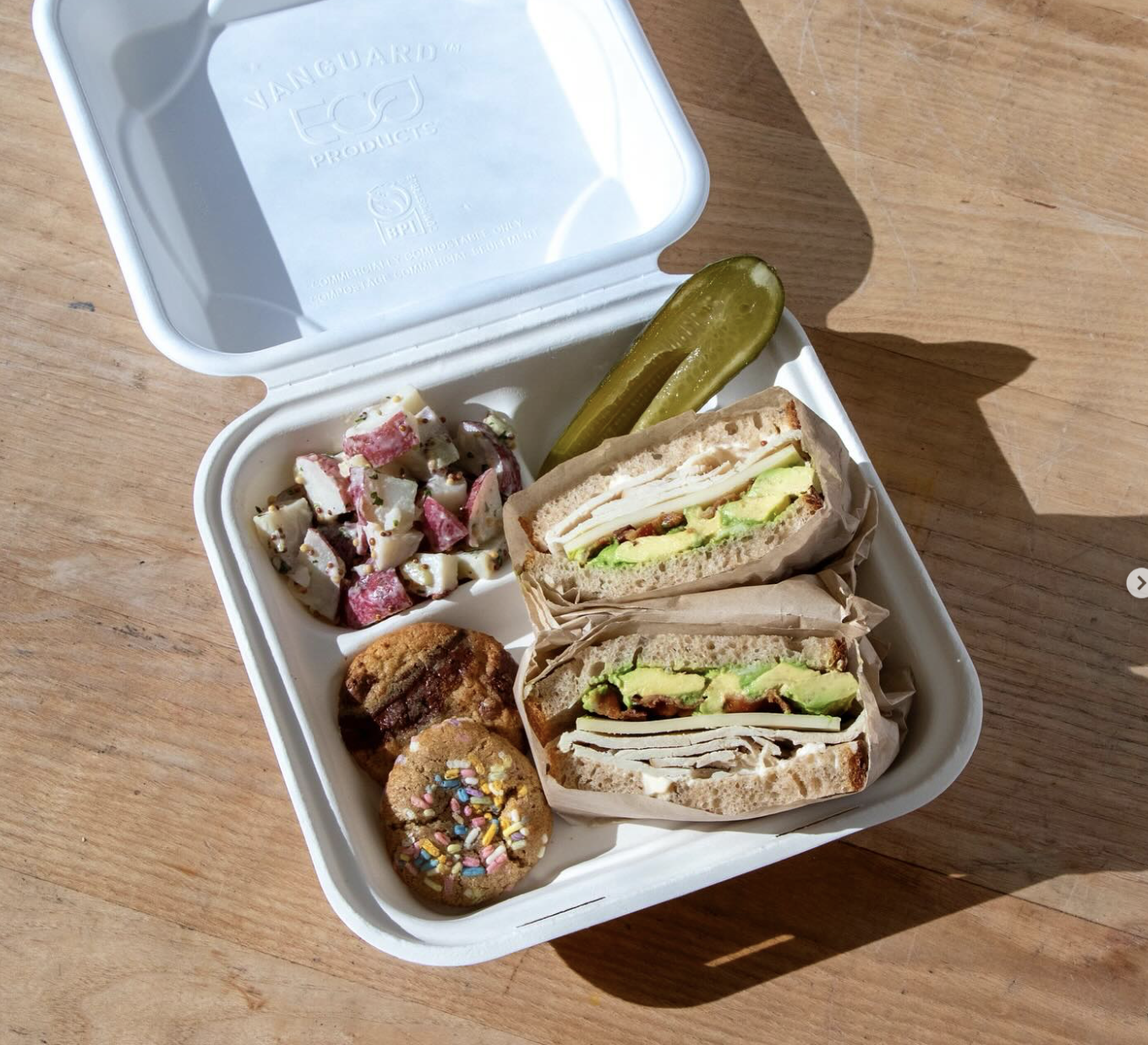
If value is about experience, convenience is about time.
More than half of consumers say delivery and takeout are essential to their lifestyle, reinforcing just how embedded off-premise dining has become. But this isn’t about saving money. It’s about reducing friction.
Customers want ordering to be easy, delivery to be reliable, and the experience to be predictable.
That consistency becomes part of your value proposition.
When customers know what to expect, whether it’s timing, quality, or accuracy, they don’t have to think twice. And in a world where decision fatigue is real, that predictability is powerful.
It also starts earlier than most operators think. The ordering experience itself, from how easily customers can find you to how smoothly they can place an order, plays a major role in whether they follow through. We dig deeper into that in Why First-Party Ordering Matters More Than Ever in 2026.
The easier you make it to order, the more often they will.
If value is about experience, convenience is about time.
More than half of consumers say delivery and takeout are essential to their lifestyle, reinforcing just how embedded off-premise dining has become. But this isn’t about saving money. It’s about reducing friction.
Customers want ordering to be easy, delivery to be reliable, and the experience to be predictable.
That consistency becomes part of your value proposition.
When customers know what to expect, whether it’s timing, quality, or accuracy, they don’t have to think twice. And in a world where decision fatigue is real, that predictability is powerful.
The easier you make it to order, the more often they will.
Take Away
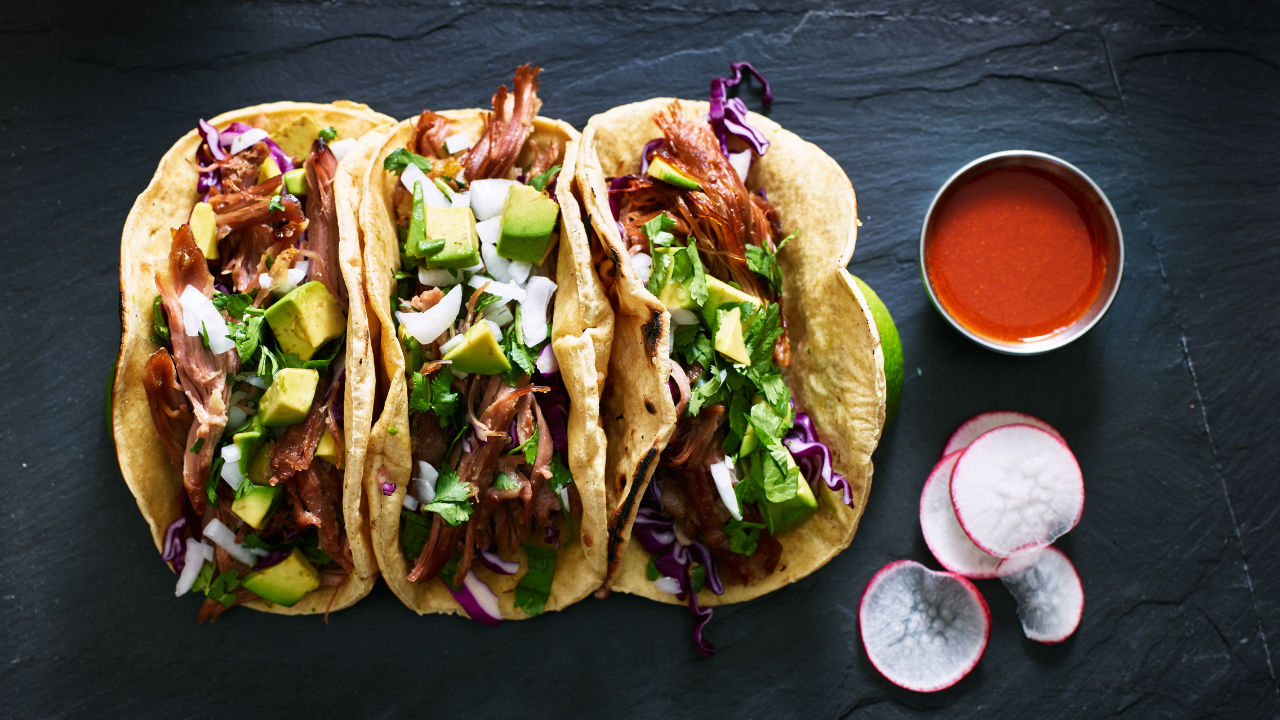
There’s no single tactic that defines value anymore, especially in delivery.
It’s not just about lowering prices or running promotions. It’s about delivering a complete experience that feels worth the total cost.
That means food that travels well and tastes great, experiences that feel seamless from order to arrival, quality that builds trust, and convenience that fits into customers’ daily lives.
The restaurants that get this right aren’t competing on price alone.
They’re competing on perception.
And in a delivery-first market, perception is what drives the next order.