Mother’s Day Sunday brings a predictable surge in the restaurant space. But it also reveals something bigger.
On the holiday itself, the person placing the order often isn’t mom. It’s a partner, a spouse, or a family member planning the celebration.
But the customer you want to keep doesn’t disappear on Monday.
She goes right back to packed schedules, constant decisions, and the daily challenge of balancing work and family. That’s where the real opportunity lives. Working moms aren’t a seasonal audience. They’re one of the most consistent, high-frequency customer segments restaurants can reach.
Savvy restaurants understand that showing up for Mother’s Day is only the start. The goal is to turn a one-day occasion into a weekly habit.
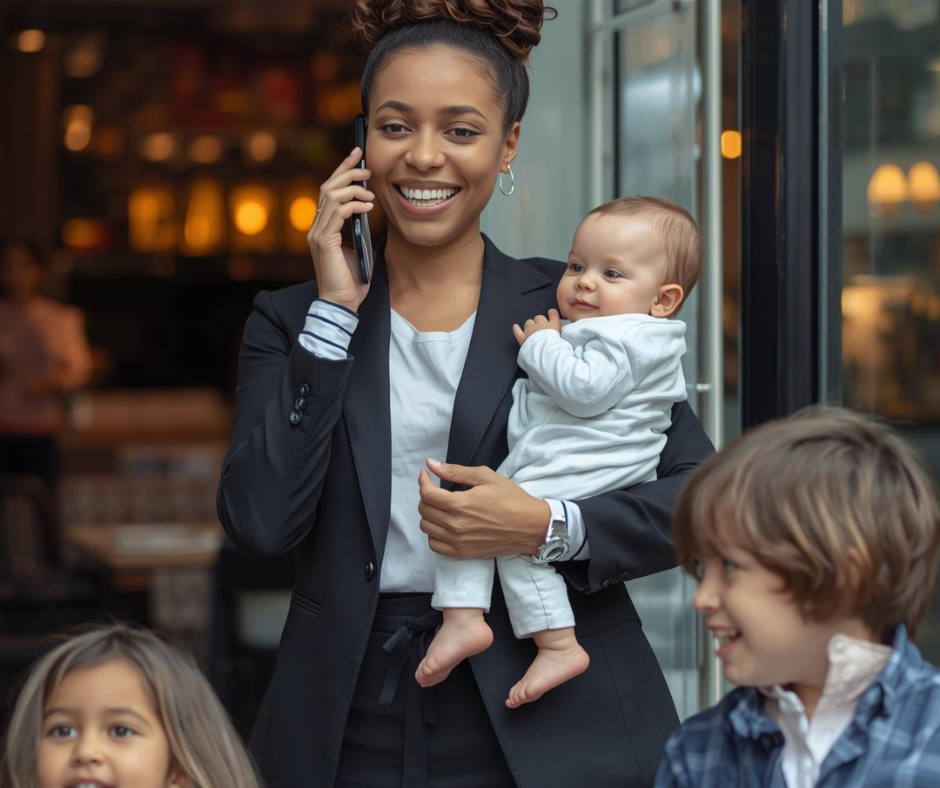
Why Working Moms Are High-Value Customers
Working mothers aren’t occasional diners. They’re among the most consistent, high-intent customers restaurants can reach.
While many restaurants focus on moments like Mother’s Day to drive traffic, the real opportunity is in the days that surround it. The same customers showing up for a holiday brunch are making daily decisions under time pressure, balancing work, school schedules, and everything in between.
That makes convenience a priority, but not at the expense of reliability. When a restaurant delivers on both, it becomes part of the weekly routine.
This is what makes the segment so valuable. Working moms tend to order more frequently, especially on weekdays when time is tight and dinner decisions need to happen fast. They’re also rarely ordering for just one person. Family meals, add-ons, and repeat favorites often lead to higher ticket sizes.
Just as important, they’re less focused on finding the cheapest option and more focused on finding the right one. The place that consistently shows up on time, travels well, and makes dinner feel handled.
For restaurants, that behavior creates a clear opportunity. Not just to win a single order, but to build repeat business through systems that support convenience and consistency.
That means:
- Fast, dependable delivery
- Direct ordering that makes reordering easy
- Loyalty and subscription-style offers that reward routine
When those pieces are in place, working moms don’t just order once. They come back every week.
Stats to Consider
- 74% of mothers with children under 18 are in the U.S. labor force, making working moms a dominant, everyday decision-making group for household purchases
- More than 24 million mothers are actively working or seeking work, reinforcing the scale of this customer segment
- Labor force participation rises to 78% for mothers with school-age children, aligning directly with peak weekday ordering windows like after-school and dinner hours
- According to a recent Gallup article, The Post-Pandemic Workplace: The Experiment Continues, nearly 60% of remote-capable workers now operate in hybrid or fully remote roles.
- Remote and flexible work is now part of the routine, with a significant share of working mothers spending at least part of the week at home, increasing reliance on delivery and takeout
- Women now make up nearly half of the U.S. labor force (about 47%), reinforcing their influence over daily consumption and food decisions
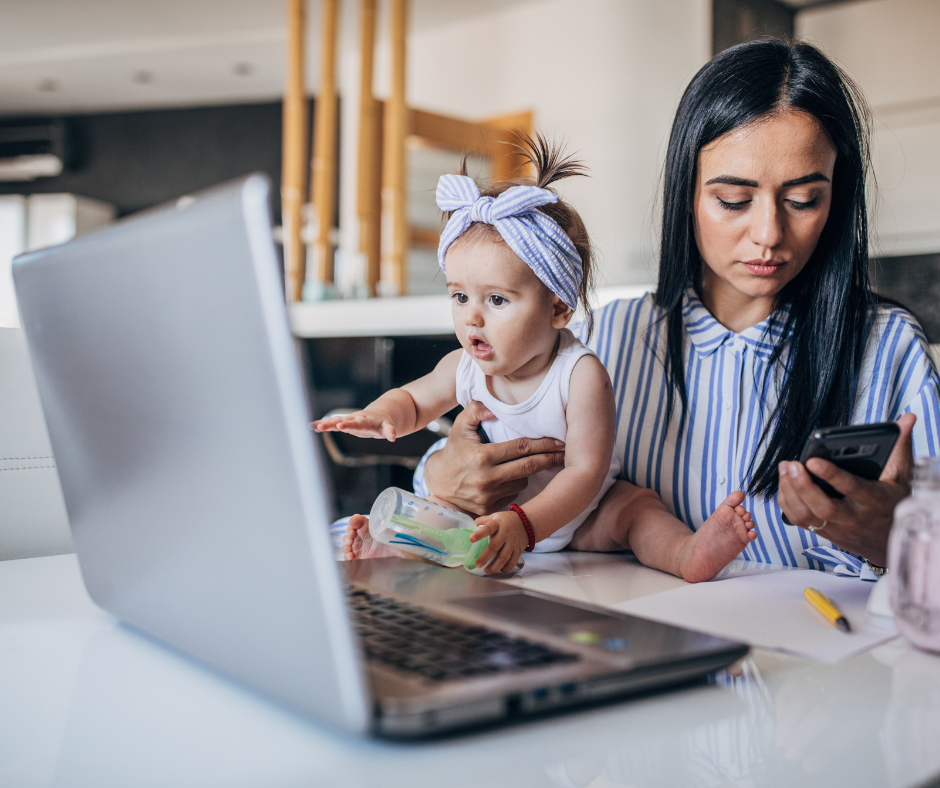
How Remote and Hybrid Work Have Reshaped Dinner
The traditional dinner routine used to follow a predictable pattern. Commute home. Stop at the store. Cook or dine out.
That structure is gone.
Remote, hybrid, and flexible work have changed when and how dinner decisions happen, especially for working mothers. Today, more than 1 in 4 paid workdays in the U.S. are done from home, reflecting a major shift in how the workday is experienced.
The day no longer ends at a set time. The transition from work to home life often happens in the same space, sometimes at the same table. That overlap creates a different kind of pressure, where schedules feel fluid, interruptions are constant, and there’s little separation between responsibilities.
Because of that, dinner isn’t planned the same way anymore. It’s decided in the moment.
Instead of a pre-planned meal, it becomes a 5:30 decision. What’s fast, what’s easy, what shows up without adding more to the day.
That’s where delivery steps in.
For working moms navigating flexible schedules, delivery isn’t just about convenience. It removes a task, reduces friction, and helps keep everything moving.
It’s also changing when orders happen. Dinner decisions are often made earlier in the afternoon, between meetings, during school pickups, or in small gaps between responsibilities.
The restaurant that captures that moment with clear options and an easy ordering experience is the one that wins.
For operators, this creates a clear opportunity: show up earlier in the decision window, make ordering fast and frictionless on mobile, and position delivery as a reliable solution, not a last resort. Because in a flexible work environment, dinner isn’t scheduled. It’s solved.
Read more: How Restaurants Can Profit from a Decentralized Workforce
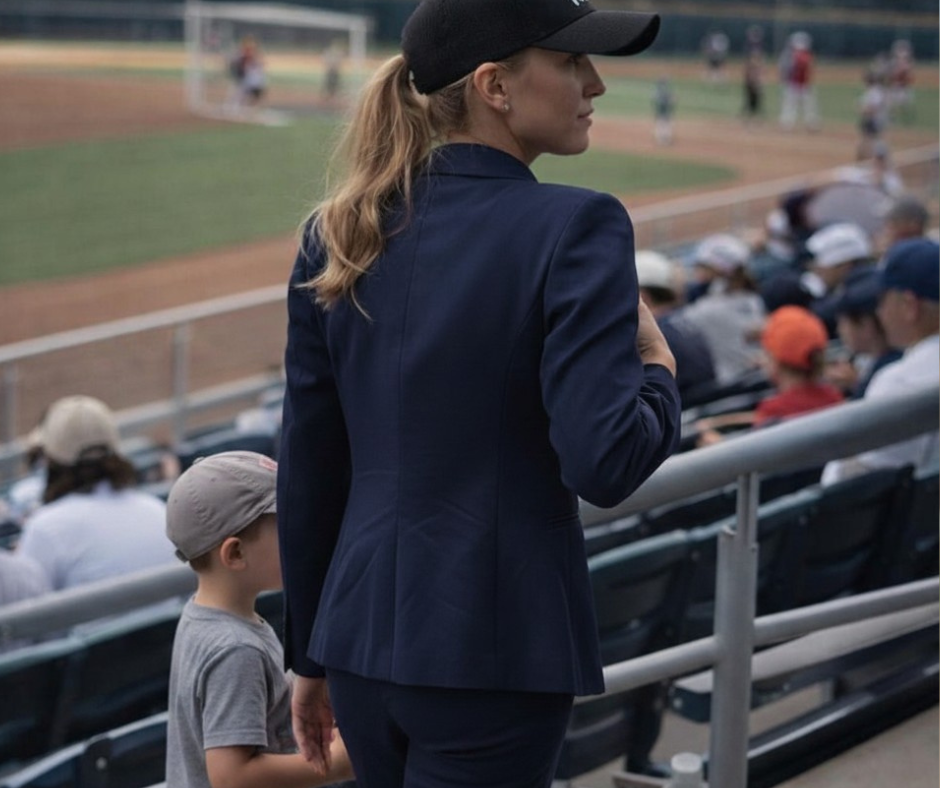
The Weeknight Pressure Window
If there’s one moment that defines this customer, it’s the early evening window between 4:00 and 7:00 pm, the stretch between the end of the workday and getting dinner on the table.
It’s not a calm transition. It’s a collision. Meetings run late, school pickups, after-school activities, homework, and right in the middle of it all is the same question, every day: What’s for dinner?
This is where most restaurant decisions are made; not in advance and certainly not leisurely. They happen in the moment, under pressure. That’s what makes this window so valuable. It’s high-frequency, high-intent, and time-constrained.
For working moms, dinner isn’t about exploring options. It’s about finding a solution that works quickly and reliably.
The restaurant that wins isn’t the most creative. It’s the one that makes the decision easy.
How to Win This Window
Restaurants that consistently capture this moment focus on making the decision easier, not more complicated.
They simplify ordering with clear bundles, “dinner solved” options, and meals that work for the whole family, cutting down back-and-forth and decision fatigue.
They remove friction with fast, intuitive mobile ordering, including saved favorites and easy reordering that doesn’t require starting over.
They show up earlier in the afternoon, reaching customers before the pressure sets in instead of competing once the decision is already in motion.
Most importantly, they deliver reliability. Orders arrive on time, meals travel well, and the experience is consistent enough to repeat without hesitation.
This window is not a one-time opportunity; it is a daily one. Every weekday brings the same pressure, the same decision point, and the same need for a reliable solution. Restaurants that position themselves inside that routine do not have to fight for attention each night. They become the default.
And once that happens, you are no longer competing for a single order. You are building a habit.
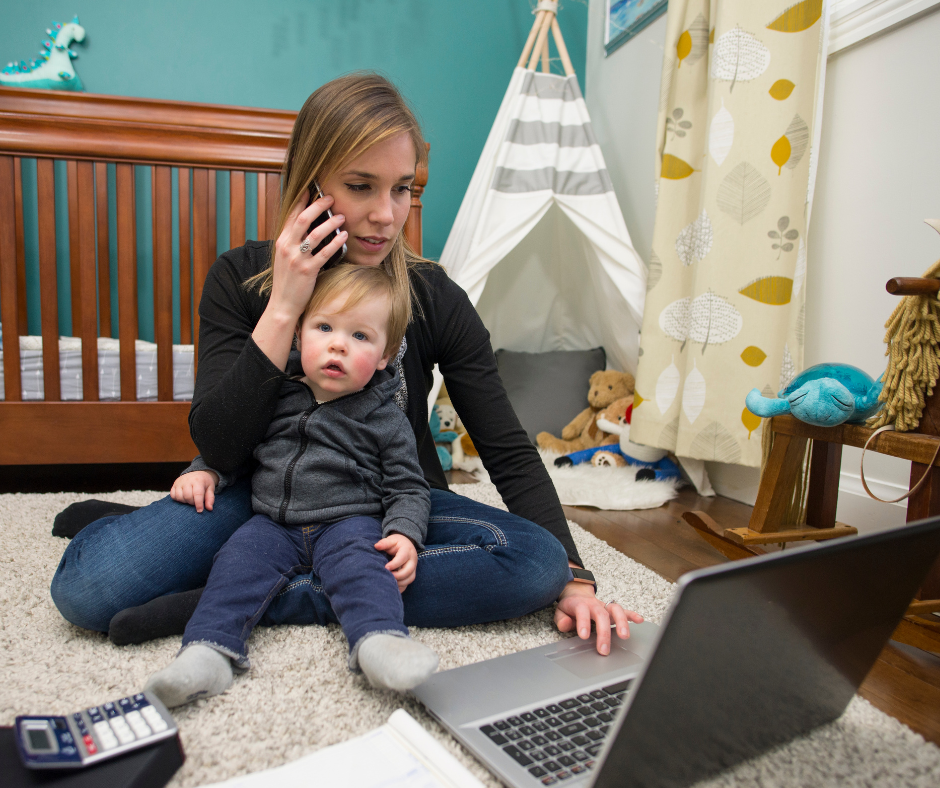
Less Sizzle, More Steak: What Working Moms Actually Want
It’s easy to assume this customer is looking for deals, variety, or something new. Most of the time, they’re not. Working moms are trying to make quick decisions and move on. The priority isn’t finding the most exciting option. It’s finding one they can count on.
They want speed they can trust, not just fast delivery, but timing that’s predictable. They want meals that work for everyone without complicated customization. They want ease, with the ability to reorder favorites and move through checkout without friction. And they want value that feels clear, especially when ordering for multiple people.
Where restaurants miss is overcomplicating the experience. Too many choices, unclear bundles, or slow ordering flows turn a quick decision into a frustrating one.
In a time-pressed moment, simplicity wins.
Menu Strategies That Make the Decision Easy
If working moms are making fast decisions, your menu should support that.
Structure matters more than creativity. Restaurants that perform well guide the decision instead of asking customers to build a meal from scratch.
That starts with bundles that actually solve dinner. A protein, sides, and options for kids, packaged in a way that feels complete and intentional.
Items also need to hold up in delivery. Meals that travel well and arrive as expected are far more likely to be reordered.
Small details matter too. Clear naming, simple descriptions, and a clean layout all reduce friction.
The goal isn’t to offer more. It’s to make choosing easier.
For a deeper dive, check out our article, How to Increase Your Restaurant’s Sales by Highlighting Popular Menu Items: Explore Sauce’s New Feature.
Build for Routine, Not One-Time Orders
The biggest opportunity isn’t the first order. It’s everything that follows.
Working moms operate on habit. Once they find something that works, they come back to it, especially during the week.
Restaurants that recognize this build systems that encourage repeat behavior. That can be as simple as highlighting “order again” options, creating weekly specials that align with habits, or offering incentives that reward frequency instead of spend.
This is less about promotions and more about becoming part of the weekly rhythm.
Once a restaurant becomes the default for a Tuesday or Thursday night, the decision is already made before the question is even asked.
Let Your Digital Front Door Do the Work
Most of these decisions aren’t happening in a calm moment. They’re happening on a phone, between tasks, or while juggling multiple responsibilities. That makes your digital experience just as important as your menu.
If ordering feels slow or confusing, it creates friction at the exact moment customers are looking for ease. Restaurants that win here focus on simplicity, with fast load times, clean mobile interfaces, and clear navigation.
Features like saved orders, quick reordering, and streamlined checkout directly impact whether an order gets completed. This is also where direct ordering matters. The easier it is to reorder from your own platform, the more likely you are to capture repeat business without losing margin.
Your digital door front should feel like the easiest way to get dinner handled.

Marketing That Reaches Working Moms at the Right Time
Even the best menu won’t matter if you’re not showing up at the right moment.
Timing matters more than creativity.
By the time someone is actively searching for dinner, the decision is already close. The real opportunity is earlier, when dinner is just starting to become a question.
Early afternoon messaging tends to perform better. A well-timed reminder can put your restaurant into consideration before the pressure hits.
Channels matter too. SMS and app notifications often outperform email because they’re seen immediately and fit into a fast-moving day.
The message itself should be simple; less about promotion, more about reassurance, so dinner is handled with zero extra thinking required.
Consistency builds familiarity, and familiarity drives repeat orders.
Takeaway
Mother’s Day will always bring a spike in traffic, but it shouldn’t be the only moment you plan for.
The bigger opportunity is every day that surrounds it. Working moms are making the same decision every weekday., including what to order, where to order from, and who they trust to get it right.
Restaurants that focus only on this traditionally busy day miss the chance to build something more valuable; repeat customers, becoming a part of weekly habits, and securing a steady source of ongoing revenue.
Because it’s not about winning Mother’s Day. It’s about winning the days that follow.