Every Friday afternoon in summer, massive numbers of New Yorkers begin migrating east en masse.
No weekend captures that feeling more viscerally than Memorial Day weekend, the unofficial start of summer, when the entire Northeast seems to tilt toward the shoreline. Backed-up bridges, traffic-choked tunnels, and parking-lot conditions on the Long Island Expressway become part of the ritual itself as generations of New Yorkers attempt to beat the traffic system year after year, usually unsuccessfully.
And yet they keep doing it.
Because the reward is always the same: the season’s first whiff of salt air, the first step onto hot sand, the first ocean breeze after months of ice, snow, and hibernation.

From luxury Hampton getaways to weekends at the Jersey shore, beachgoers share the same goal: to escape from New York.
But customers do not leave their habits behind.
The same people ordering salads and sushi bowls from Manhattan offices on Thursday may be ordering seafood platters, late-night pizza, beach-house bagels, and grocery delivery less than 24 hours later.
For restaurants, that shift matters.
Summer delivery demand does not disappear. It migrates.
Every weekend, the market shifts geographically in real time, creating what operators might call the “summer tilt”: a seasonal migration pattern in which customer behavior, ordering windows, and convenience expectations shift from the city to the shore.
The restaurants that recognize this shift are often the ones best positioned to capture summer demand wherever customers land.
Read More: Shore-to-Door 2026 Beach Delivery Guide
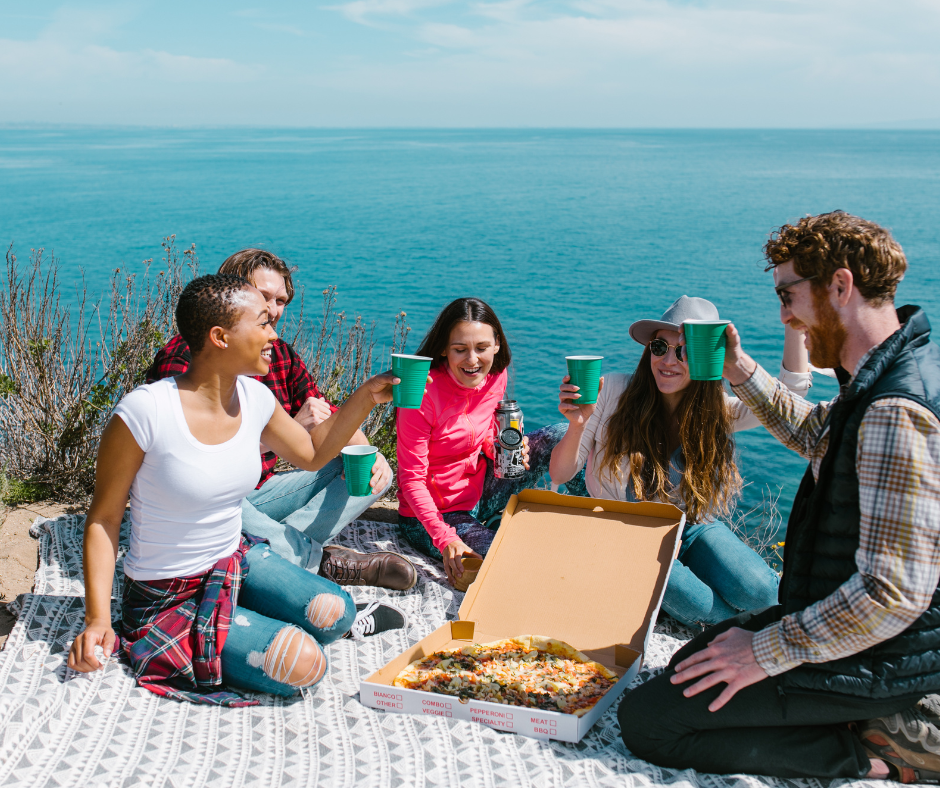 The Hamptons Effect
For many New Yorkers, summer still means heading east to the Hamptons.
From Southampton to East Hampton to Montauk, Long Island beach towns experience a major seasonal population surge between Memorial Day and Labor Day. Along with it comes an entirely different style of delivery demand.
Prepared meals, high-end grocery delivery, catering packages, and restaurant takeout increasingly follow customers east for the summer. And as convenience options extend to the shore, customers expect the same on-demand experience they rely on in the city. This includes high-quality packaging, food delivered at the optimal temperature, and timely orders.
Institutions like Zabar’s and Eataly have become part of that seasonal convenience culture, delivering prepared foods, groceries, and specialty items directly to summer rentals and beach houses.
For restaurants, the takeaway is clear: convenience culture no longer stops at city limits.

The Jersey Shore
Not every New Yorker spends the summer in the Hamptons.
For many residents in the tri-state (NY, CT, and North Jersey), summer means heading “down-the-shore,” the massive migration to the Jersey beaches.
From Monmouth to Margate, Brick to Beach Haven, shore towns swell with weekend visitors looking for nightlife, concerts, beach days, boardwalk food, and convenience.
That shift creates entirely different ordering patterns:
- larger group orders
- shared vacation-house meals
- late-night food delivery
- beach-day recovery meals
- family bundles
- rainy-day delivery spikes
- grocery and alcohol companion purchases where available
For operators, summer weekends often shift from routine weekday dining habits to compressed convenience windows driven by travel, weather, nightlife, and group behavior.
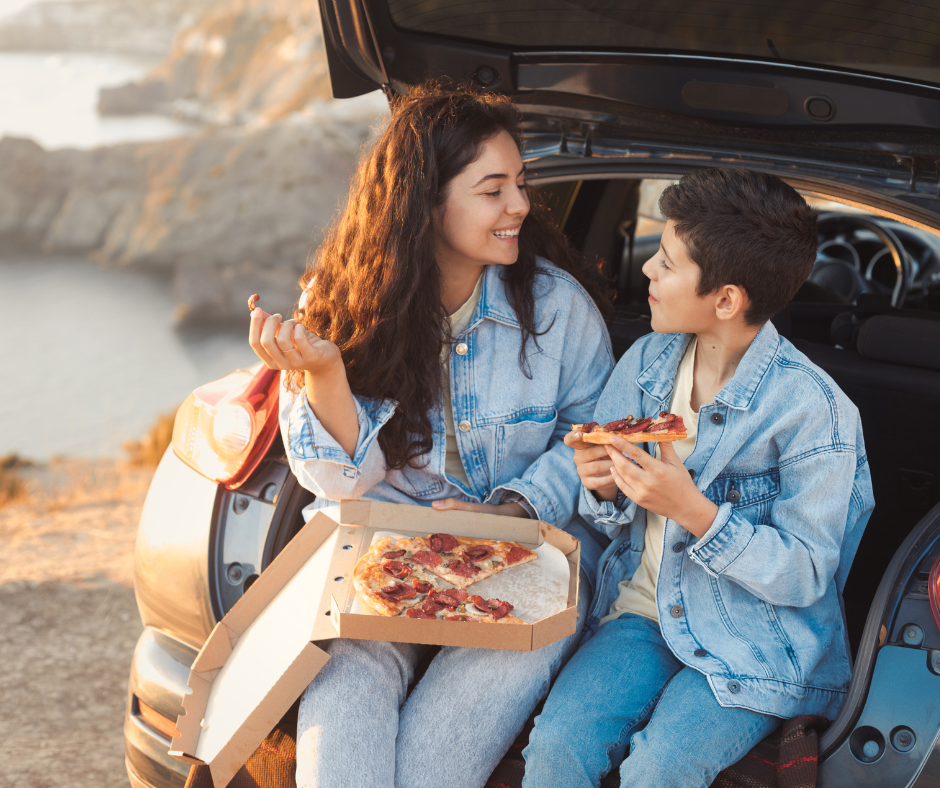 Smaller Escapes, Same Big Expectations
Not every customer ventures as far east as the Hamptons or down the shore.
Many stay closer to home, opting for day trips to Rockaway Beach, Coney Island, Long Beach, Jones Beach State Park, or Sandy Hook.
But even shorter escapes reshape delivery behavior.
Customers spend less time cooking, stay out later, travel in groups, and increasingly expect convenience to follow them wherever they spend the day. Restaurants in beach towns and coastal neighborhoods become part of that summer ecosystem as customers move from the city to the shoreline.
For restaurant operators, the lesson is the same across every destination: delivery demand shifts geographically during the summer, but customer expectations remain remarkably consistent.

The Summer Weekend Ordering Cycle
Summer weekends create entirely different emotional and behavioral rhythms than the traditional workweek.
Friday carries anticipation. Saturday feels wide open. By Sunday afternoon, the mood shifts entirely as travelers prepare to head home, sit in traffic, and return to work.
That emotional whiplash shapes how customers order throughout the weekend.
Friday: The Escape
By Friday afternoon, summer weekends begin with a rush of excitement.
Customers pile into cars, board crowded trains, and leave the city behind for beach towns, rentals, concerts, and long weekends. After hours of traffic and travel, convenience becomes the priority.
That creates strong demand for:
- pizza
- tacos
- sushi
- sandwiches
- prepared meals
- family bundles
- late-night delivery
For many restaurants, Friday nights are among the busiest convenience windows of the summer.
Saturday: Peak Summer Mode
Saturday carries a completely different energy.
Customers have the entire day ahead of them. Beach days stretch into dinners, bars, concerts, rooftop drinks, and late nights. Ordering becomes more spontaneous, social, and indulgent.
Meals become less structured:
- shareable foods
- snack-style ordering
- beach takeout
- late brunches
- multiple convenience orders throughout the day
- late-night comfort food after nightlife
The emotional high of summer weekends often drives customers to spend more freely and prioritize convenience over routine.
Sunday: The Come-Down
By Sunday afternoon, the emotional tone shifts.
The excitement of the weekend gives way to traffic, packing, work anxiety, and the looming return to reality. Everyone knows the feeling, especially on the Tuesday after Memorial Day when summer officially begins, and the workweek suddenly feels much longer.
Ordering behavior changes with it.
Customers look for:
- comfort food
- coffee and breakfast
- easy group lunches
- hangover meals
- healthier “reset” meals
- familiar favorites to bring back home
In New Jersey beach towns, especially, many travelers stop for hoagies, pizza, bagels, pastries, and deli staples before heading back to the city.
For restaurants, Sunday offers opportunities for “take-home” bundles, travel-friendly meals, and promotions centered on the ride home.
 Take Away
Summer changes where people eat, how they order, and what convenience looks like.
Whether customers head from Manhattan to Montauk, Brooklyn to Belmar, or simply from the city to the shoreline for the day, delivery demand increasingly follows those migration patterns in real time.
The restaurants best positioned for summer are often the ones paying closest attention to where their customers are going and how their habits shift once they get there.
Because during the summer, business doesn’t vanish.
It just migrates.