

Every year, millions of visitors flock to Orlando for world-famous theme parks, sprawling resorts, major conventions, professional sporting events, and year-round entertainment. While attractions like roller coasters and character meet-and-greets may define the city’s tourism industry, they also create another powerful economic engine: restaurant delivery.
Unlike local residents, tourists have different dining habits, different schedules, and different expectations. They’re less likely to cook, more likely to stay in hotels or vacation rentals, and often rely on food delivery to make their trips more convenient.
For restaurants, understanding how travelers order food presents an opportunity that extends far beyond Orlando. Whether you’re located near a beach destination, ski resort, national park, convention center, or entertainment district, tourism changes the way customers eat. Adapting your delivery strategy to meet those needs can help increase orders, improve guest satisfaction, and generate additional revenue throughout the year.
Why Tourism and Delivery Go Hand in Hand
Vacations are busy.
Families spend entire days at theme parks. Business travelers fill their schedules with meetings and conferences. Groups explore attractions from morning until late at night. By the time they’re ready to eat, many travelers aren’t looking for another outing—they’re looking for convenience.
Restaurant delivery solves a problem that nearly every visitor experiences.
Instead of waiting for a table after a long day, navigating unfamiliar roads, or coordinating transportation with a large group, guests can relax while dinner comes to them. Whether they’re staying in a luxury resort, a budget hotel, or a short-term vacation rental, delivery often becomes one of the easiest decisions they make all day.
For many travelers, ordering dinner isn’t a backup plan. It’s simply part of the vacation.
 Tourists Order Differently Than Locals
One of the biggest mistakes restaurants make is assuming tourists behave like neighborhood customers.
They don’t.
Visitors often discover restaurants through delivery apps, Google searches, hotel recommendations, or social media rather than familiar routines. They may never have heard of your restaurant before arriving in town, making your online presence just as important as your storefront.
Tourists are also more likely to:
-
- Order larger meals for families or groups.
-
- Dine at unconventional hours after attractions close.
-
- Prioritize convenience over proximity.
-
- Seek out local specialties they can’t find at home.
-
- Order multiple meals during their stay if they have a positive first experience.
This creates opportunities for restaurants that understand how visitors make purchasing decisions.
The Hotel Room Has Become the Dining Room
Today’s travelers aren’t always eating around a dining table.
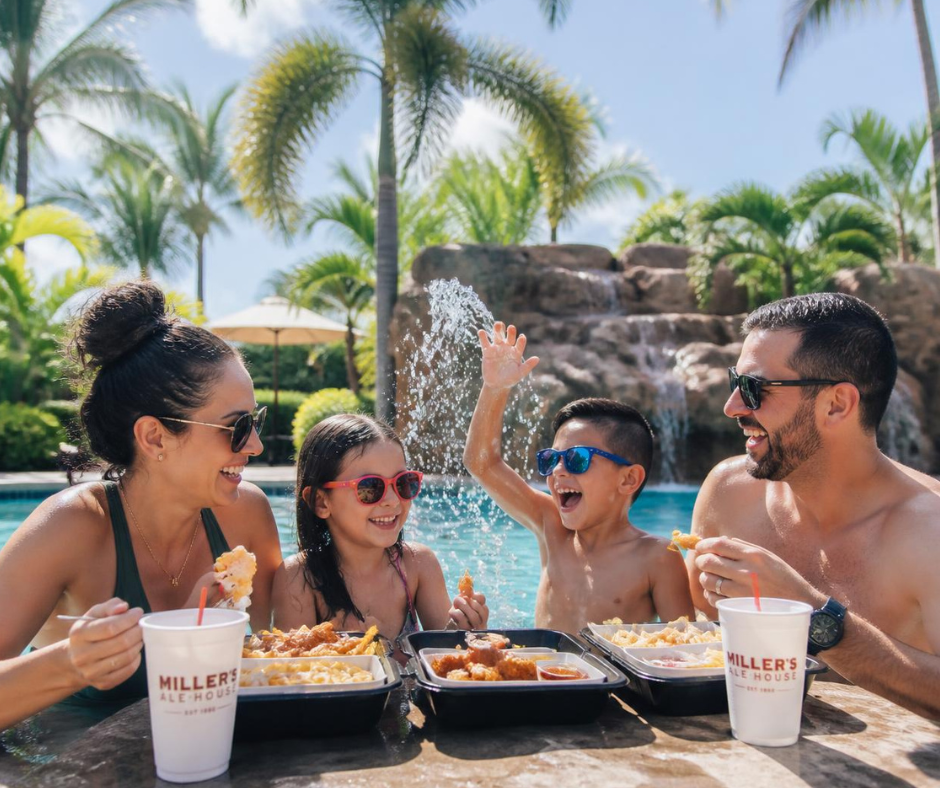
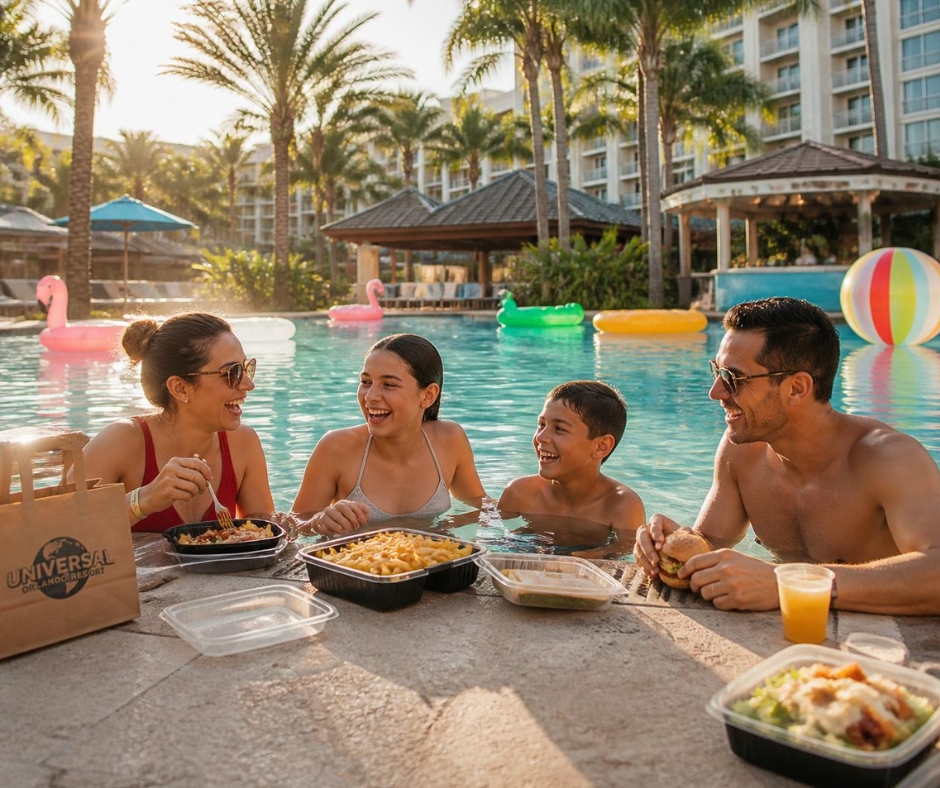
They’re eating on hotel beds while watching a movie. They’re enjoying takeout beside a resort pool. They’re sharing pizza with tired children before bedtime or eating breakfast in a vacation rental before heading out for another day of sightseeing.
That means restaurants should think differently about how meals are packaged and presented.
The delivery experience doesn’t end when the food leaves the kitchen. It continues until the customer finishes the last bite.
Design Your Packaging for Travelers
Packaging can make or break a delivery experience, especially for guests who don’t have access to the conveniences of home.
Tourists may not have:
-
- Plates
-
- Bowls
-
- Serving utensils
-
- Sharp knives
-
- Can openers
-
- Storage containers
-
- Aluminum foil or plastic wrap
Meals should be easy to enjoy directly from the container whenever possible.
Choose packaging that’s sturdy, leak-resistant, and easy to transport. Sauces should be packed separately when appropriate, beverages should travel securely, and hot foods should stay hot without sacrificing quality.
Restaurants should also consider automatically including essentials such as utensils, napkins, wet wipes, straws, and condiments, particularly for hotel and vacation rental deliveries. Small touches can significantly improve the customer experience.
Read more: Escape From New York: How Summer’s Weekend Exodus Reshapes Restaurant Delivery

Make Ordering Simple for Families
Orlando attracts millions of families every year, and family travel often means group dining decisions.
Instead of encouraging guests to order individual meals, consider creating vacation-friendly bundles designed for travelers.
These might include:
-
- Family-sized pasta dinners
-
- Pizza bundles
-
- Taco kits
-
- Burger packs
-
- Breakfast bundles
-
- Snack boxes for late-night cravings
-
- Kid-friendly meal combinations
Bundles simplify ordering while increasing average ticket size. They also reduce decision fatigue for parents who have already spent an entire day managing vacation logistics.
Convenience often wins.
Highlight Local Favorites
Many visitors want more than a convenient meal—they want a taste of the destination.
Restaurants can capitalize on this by highlighting regional specialties directly within their online ordering experience.
A dedicated “Local Favorites” or “Must-Try Orlando Picks” section helps travelers quickly identify signature dishes without needing to research local cuisine elsewhere.
This approach also differentiates independent restaurants from national chains.
Visitors can find pizza almost anywhere. They’re often looking for something they can’t get back home.
Optimize for Hotel and Resort Deliveries
Hotels present unique challenges for both restaurants and delivery drivers.
Some properties require drivers to stop at designated entrances. Others have security checkpoints, concierge desks, or restricted elevator access. Guests may not realize they need to meet drivers in the lobby or provide room numbers correctly.
Restaurants can reduce friction by:
-
- Providing clear delivery instructions.
-
- Confirming hotel names and addresses.
-
- Labeling bags with customer names.
-
- Packaging orders securely for transport through large properties.
-
- Communicating estimated arrival times clearly.
A smooth delivery experience increases the likelihood of repeat orders during a guest’s stay.
Don’t Overlook Vacation Rentals
Short-term vacation rentals have become a major part of the tourism economy.
Unlike hotel guests, vacation rental customers may have kitchens—but that doesn’t necessarily mean they want to cook.
Many travelers choose rentals because they’re traveling with larger groups or extended families. After a full day of sightseeing, ordering delivery is often easier than shopping for groceries and preparing meals.
Vacation rental guests may also place larger orders than hotel guests, making them an attractive customer segment for restaurants offering family meals and shareable menu items.

Demand Beyond Traditional Meal Times
Local dining patterns often follow predictable lunch and dinner rushes.
Tourism doesn’t.
Families leave theme parks at different times. Conferences end throughout the day. Flights arrive late into the evening. Visitors adjust to different time zones. Entertainment districts remain active long after traditional dinner hours.
As a result, restaurants in tourism markets frequently experience delivery demand:
-
- Mid-afternoon between attractions.
-
- Late evening after shows and fireworks.
-
- Early morning before excursions.
-
- During major sporting events and conventions.
Restaurants prepared to serve these customers can capture orders that might otherwise be missed.
Think Like a Traveler
One of the simplest ways to improve your delivery strategy is to put yourself in the customer’s shoes.
Imagine you’ve spent ten hours walking through a theme park.
Your children are exhausted.
You’re unfamiliar with the area.
You don’t know which restaurants are nearby.
You don’t want to drive.
You just want dinner to arrive quickly.
Restaurants that solve these problems create memorable customer experiences that often lead to repeat orders, positive reviews, and word-of-mouth recommendations.
Take Away
Orlando demonstrates how a thriving tourism economy naturally fuels restaurant delivery. Every hotel, vacation rental, convention center, and attraction creates potential demand from customers who value convenience as much as great food.
The lesson isn’t limited to Central Florida.
Whether your restaurant serves visitors in a beach town, mountain resort, college town, entertainment district, or convention destination, understanding how travelers order can help you better meet their needs.
By designing menus, packaging, and delivery operations with tourists in mind, restaurants can transform seasonal visitors into a meaningful source of revenue. Sometimes, the biggest opportunity isn’t inside the dining room—it’s arriving at the hotel lobby, resort entrance, or vacation rental front door.
