Washington, D.C., has long been known as America’s power lunch capital. For generations, professionals have left their offices to negotiate deals, build relationships, and discuss business over lunch.
But in a city where schedules are packed and meetings drive the day, restaurants have an opportunity to rethink what they’re really selling.
It isn’t just lunch.
It’s time.
Every minute spent walking to a restaurant, waiting for a table, paying the bill, and returning to the office is time that isn’t spent closing deals, presenting ideas, or solving problems.
For restaurants, that’s a marketing opportunity that’s bigger than convenience.
| They’re not selling lunch.
They’re selling an hour back. |
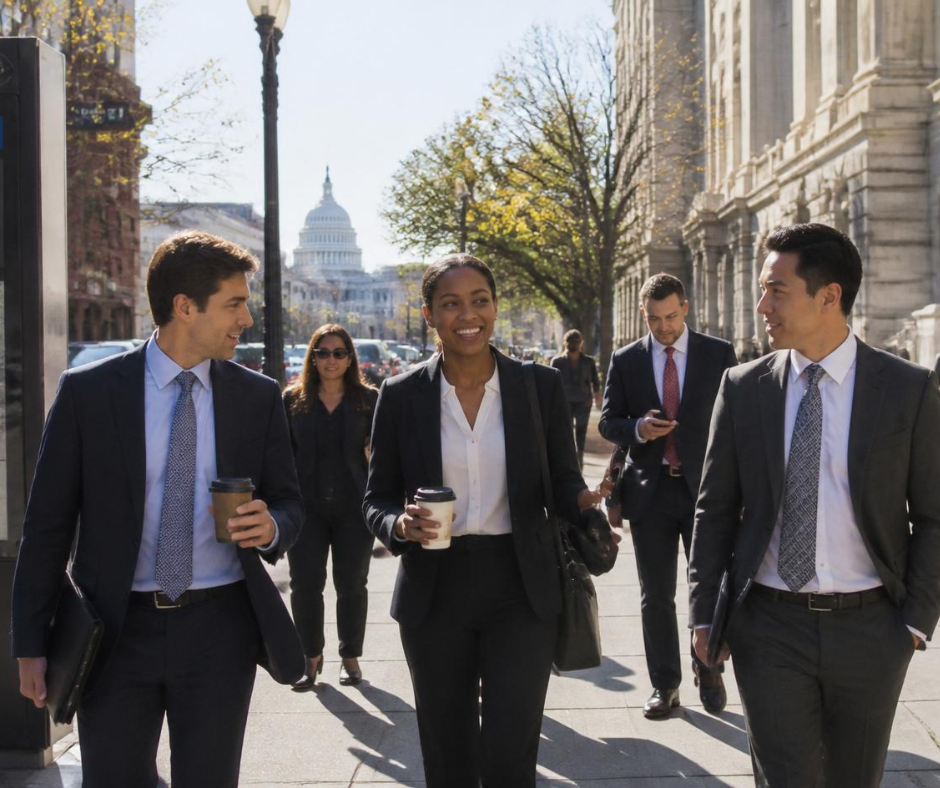
Every day, thousands of professionals leave their offices for lunch, walking several blocks, waiting for a table, ordering, eating, paying, and returning to work. A one-hour meeting can easily stretch to ninety minutes or even two hours.
The irony is that the restaurant was never the reason for the meeting.
The conversation was.
Today’s restaurants have an opportunity to remove everything that gets in the way.
Stop Selling Lunch. Start Selling an Hour Back
Too often, restaurants market delivery by focusing on the food:
-
- Fresh ingredients
-
- Fast delivery
-
- Great sandwiches
While those benefits matter, they’re not always what motivates a busy Washington professional to place an order.
In many cases, the real value isn’t what’s inside the bag. It’s what delivery makes possible.
An uninterrupted client presentation.
A board meeting that stays on schedule.
A brainstorming session that keeps its momentum.
Instead of promoting menu items, restaurants can market the outcomes they help customers achieve.
Messages like “Skip the walk,” “Keep the meeting moving,” or “Your conference room is the new power lunch table” speak directly to the problem professionals are trying to solve.
Sell Time, Not Sandwiches
Unlike many cities where lunchtime traffic is driven primarily by shoppers or neighborhood workers, downtown Washington is fueled by meetings.
On any given weekday, restaurants may be serving customers involved in congressional briefings, law firm strategy sessions, consulting presentations, think tank discussions, embassy events, nonprofit board meetings, or client pitches.
Many of these meetings naturally happen around lunch.
But they don’t necessarily need to happen in a restaurant.
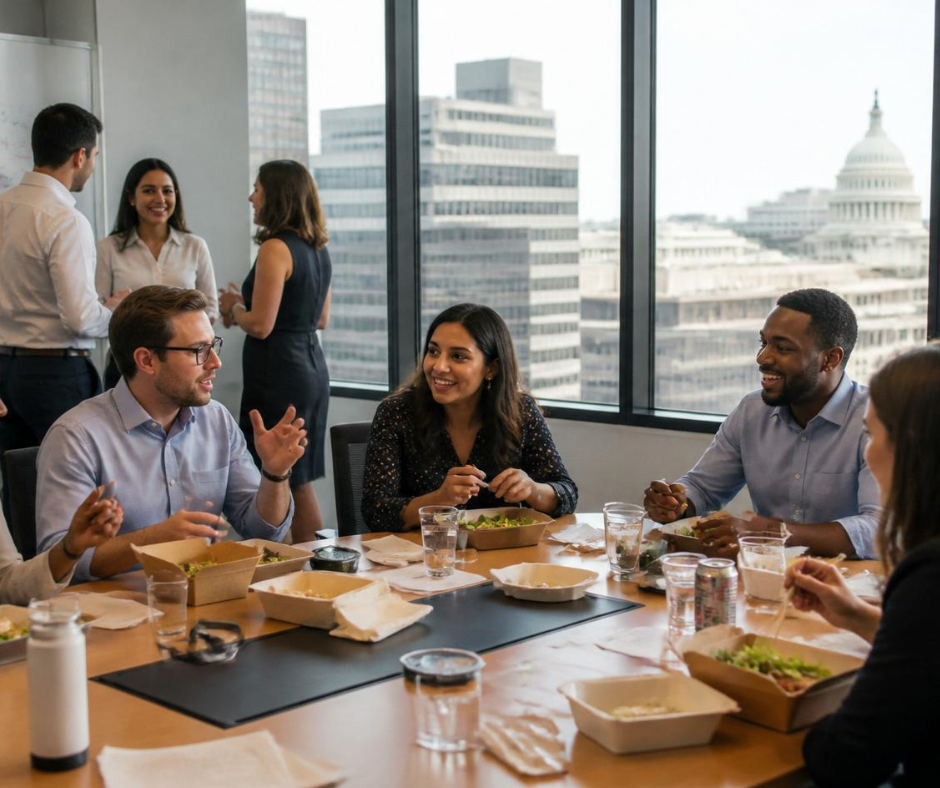
Delivery allows teams to continue collaborating while everyone eats, eliminating unnecessary interruptions without sacrificing the meal itself.
The Real Cost of Leaving the Office
For busy professionals, convenience is expected.
Productivity is valuable.
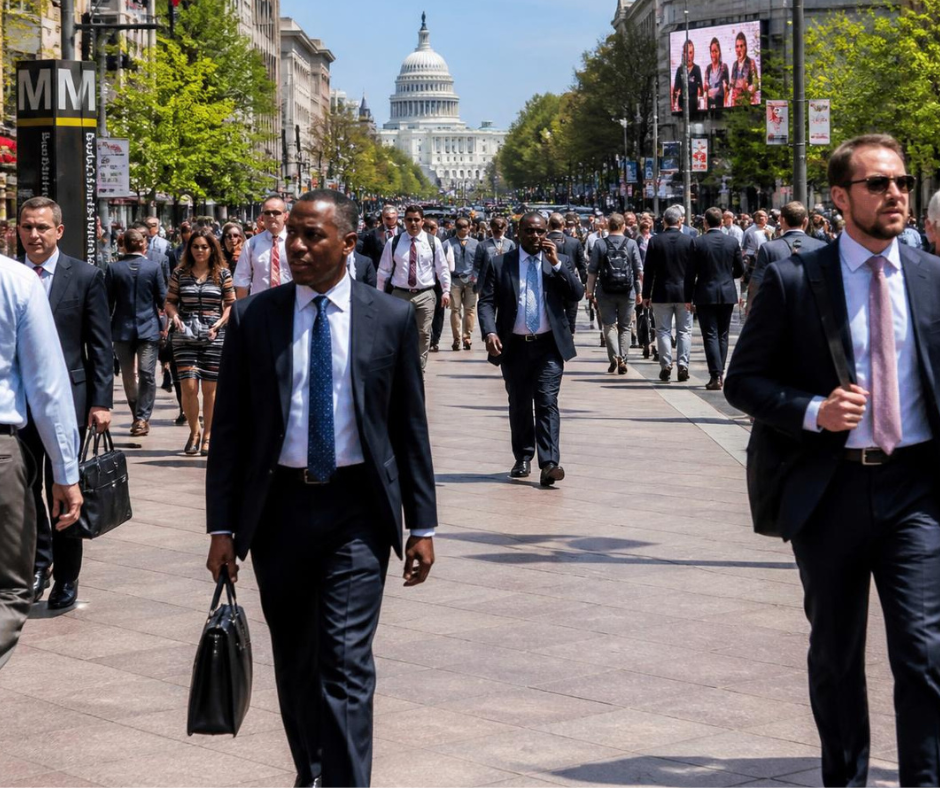
Walking to a restaurant, waiting to be seated, ordering, eating, paying, and returning to the office can easily consume more than ninety minutes.
Having lunch delivered allows businesses to:
-
- Keep meetings on schedule
-
- Feed visiting clients
-
- Serve conference attendees
-
- Avoid security checkpoints when leaving government buildings
-
- Maximize productive work hours
In Washington, restaurants aren’t simply competing for lunch orders.
They’re competing for time.
 Every Meeting Is a Catering Opportunity
Washington’s workplace culture also creates opportunities for larger, higher-value orders.
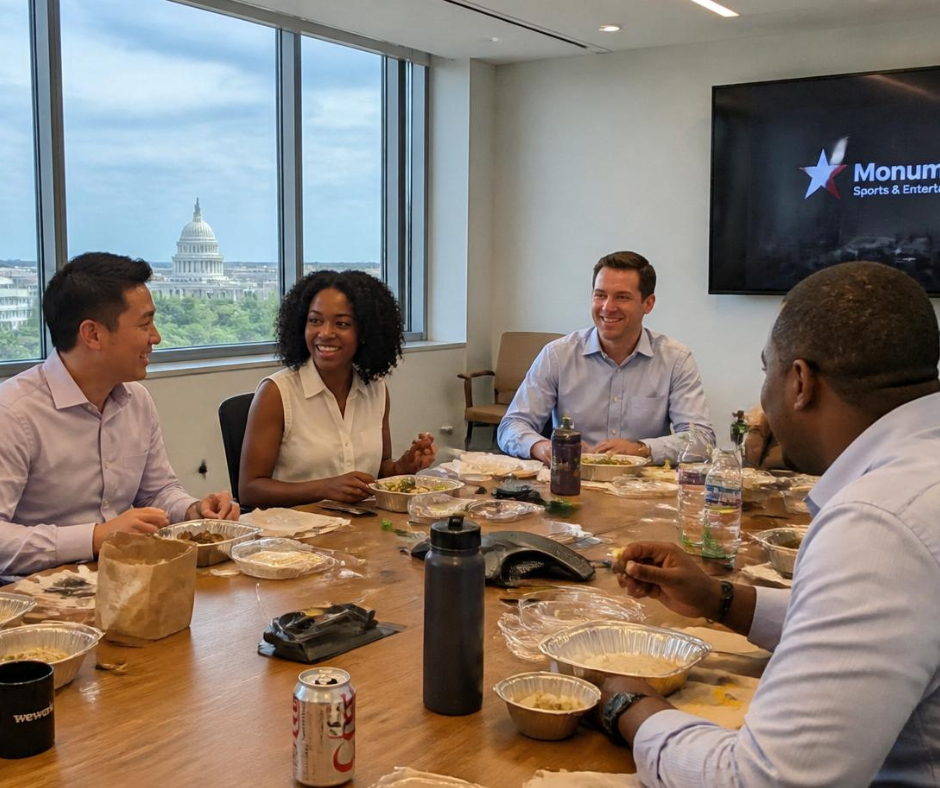
Instead of serving one customer at a time, restaurants may be feeding project teams, legislative staff meetings, government departments, press briefings, training sessions, and executive board meetings.
These recurring group orders often generate significantly larger tickets than individual lunches while creating long-term business relationships.
A restaurant that consistently delivers successful meeting lunches can quickly become the default choice for weekly office orders.
Reliability Matters More Than Novelty
When you’re ordering lunch for an important meeting, you’re not trying to impress people with the newest menu item. You’re trying to make sure everything goes smoothly.
No one wants to apologize because lunch arrived late, meals were mixed up, or half the order was missing. The best meeting lunch is often the one no one has to think about because it arrives on time, everyone gets the right meal, and the meeting never loses momentum.
That’s why reliability becomes one of a restaurant’s biggest competitive advantages.
For office managers and executive assistants, confidence matters just as much as the menu. They want a restaurant they know will deliver on time, package meals clearly, provide food that travels well, and make ordering simple from start to finish.
When restaurants consistently deliver that experience, they aren’t just earning another lunch order. They’re earning the trust that leads to the next meeting, the next training session, and the next client presentation.
Your Biggest Competitor Isn’t Another Restaurant
Many restaurants assume they’re competing against the deli across the street or the café around the corner.
In Washington, that’s only part of the picture.
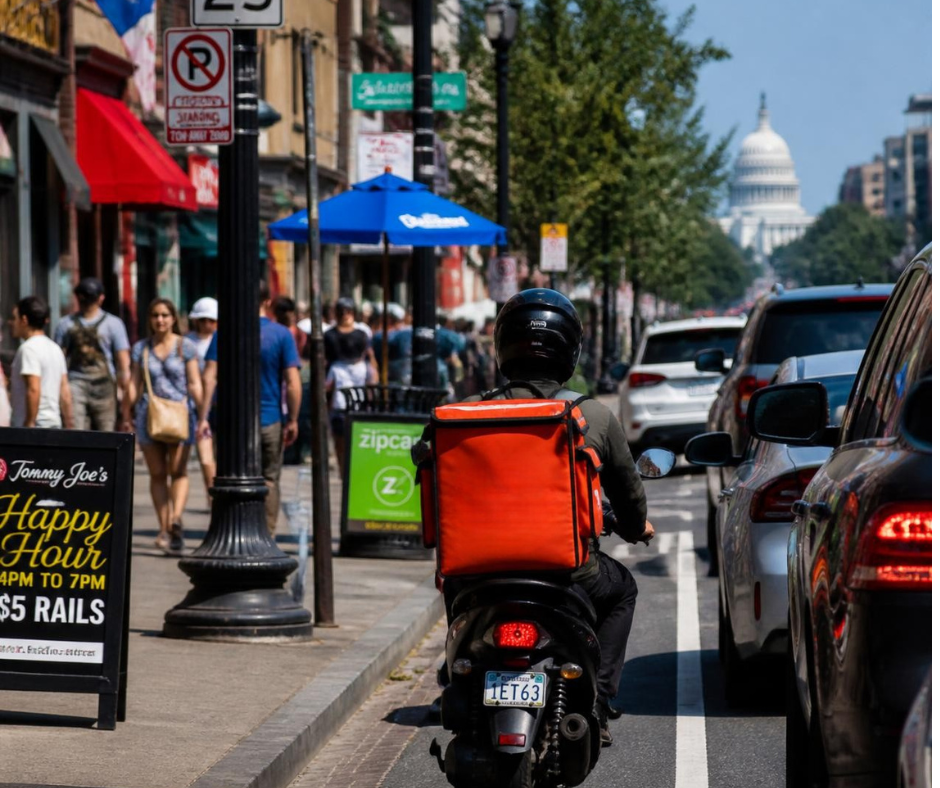
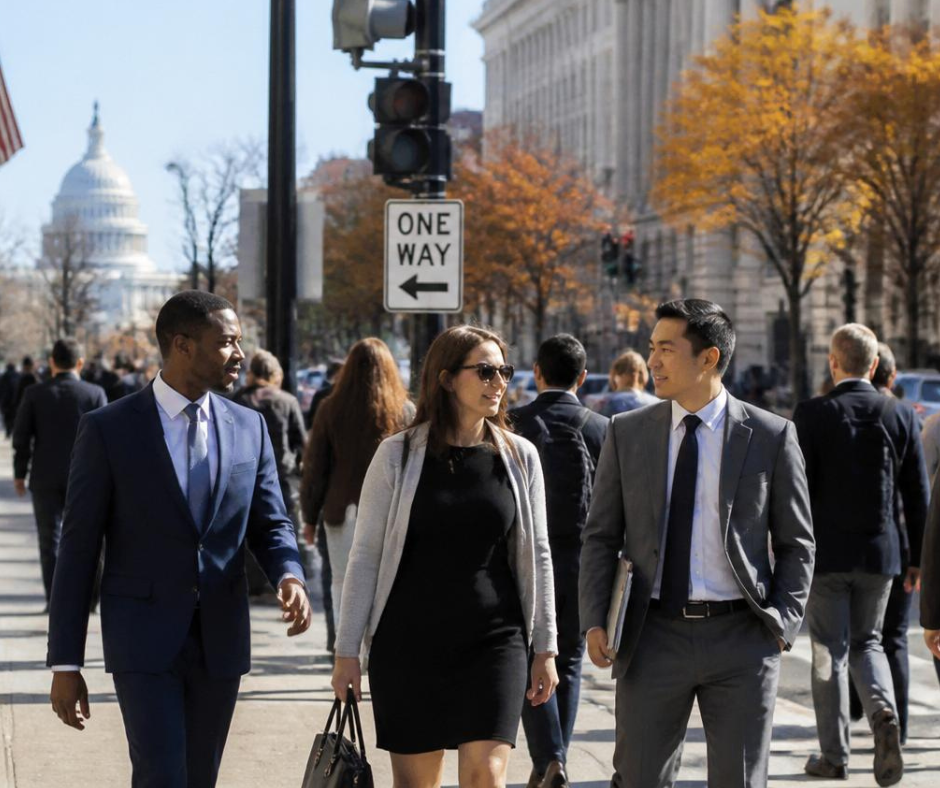
Their biggest competitor may actually be the time it takes to leave the office, take the elevator, cross the crosswalk, find a table, wait for the check, and walk back. Every minute spent away from the meeting is a minute the conversation isn’t happening. And every one of those small delays adds friction to the workday.
Delivery removes that friction.
Positioning delivery as the smarter business decision, not simply the easier one, changes how customers think about ordering lunch.
Market to Office Managers, Not Just Hungry Employees
One of the biggest marketing mistakes restaurants make is assuming the customer and the decision-maker are the same person.
While executives, attorneys, consultants, and clients may enjoy the meal, they’re often not the ones placing the order. That responsibility frequently falls to office managers, executive assistants, administrative professionals, HR teams, meeting planners, and training coordinators.
These are the people juggling calendars, coordinating meetings, and making sure everything runs smoothly. They’re not simply looking for lunch. They’re looking for a restaurant they can count on.
Instead of marketing to anyone looking for a quick bite, restaurants can create content and services specifically for the people who organize the workday.
Dedicated landing pages for Working Lunch Delivery, Government Office Catering, Law Firm Lunches, Conference Room Catering, or Client Presentation Packages speak directly to their needs while reinforcing the restaurant’s understanding of the business environment.
The goal isn’t just to win a single lunch order. It’s to become the restaurant an office turns to every time an important meeting is on the calendar.
 Build Menus Around Meetings
Presentation matters just as much as the food itself.
Instead of calling everything “catering,” restaurants can package meals around specific business needs.
Examples include:
-
- Power Lunch Packages
-
- Meeting Menus
-
- Executive Lunch Bundles
-
- Conference Lunches
-
- Presentation Packs
-
- Client Meeting Boxes
These names immediately communicate purpose while making ordering easier.
Make Ordering Effortless
Repeat office customers value simplicity as much as quality.
Features such as saved office addresses, one-click reordering, scheduled deliveries, tax-exempt ordering, itemized receipts, clearly labeled meals, and individually packaged orders remove friction from the ordering process.
The easier restaurants make it to order, the more likely businesses are to return week after week.
Take Away
Washington’s power lunch hasn’t disappeared; it has simply changed locations.
For restaurants, that means the opportunity isn’t convincing professionals to order lunch. It’s convincing them they never needed to leave the office in the first place.
Restaurants that position delivery as a business tool rather than simply a convenience become more than places to order food.
They become partners in productivity.
Because in Washington, D.C., the most valuable thing on the menu isn’t the entrée.
It isn’t the sandwich.
It isn’t the salad.
It’s time.
And restaurants that learn to market to time rather than lunch may discover they’ve been selling the wrong thing all along.