Every July, Disability Pride Month celebrates the history, achievements, and contributions of the disability community while recognizing the anniversary of the Americans with Disabilities Act (ADA), signed into law on July 26, 1990.
For restaurants, it’s also an opportunity to think beyond compliance and consider what accessibility looks like from the guest’s perspective.
More than 42 million Americans live with a disability, according to the U.S. Census Bureau. Disabilities can affect mobility, vision, hearing, cognition, and other aspects of daily life, making thoughtful design and accessible experiences essential for creating welcoming restaurants.
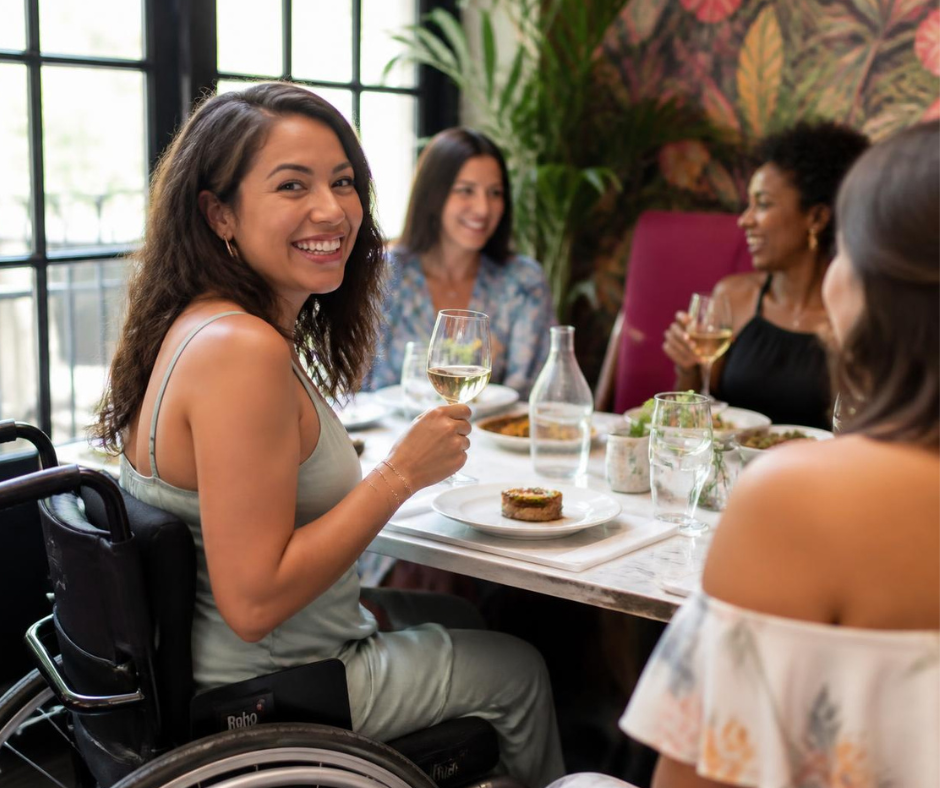
Accessibility isn’t simply about meeting legal requirements. It’s about making every guest feel comfortable, independent, and included.
 Accessibility by the Numbers
- Approximately 13% of Americans have a disability.
- Nearly 90% of people with visual impairments do not read Braille.
- Nearly one in four adults ages 65 to 74 reports having a disability.
- Almost half of adults age 75 and older live with a disability.
As the population ages, accessibility will become increasingly important for restaurants serving their local communities.
What Is the ADA?
The Americans with Disabilities Act (ADA) prohibits discrimination against people with disabilities and establishes accessibility standards for public accommodations, including restaurants.
For restaurant owners, ADA compliance extends beyond construction and includes creating an environment that allows guests and employees to access the facility safely and comfortably.

ADA Considerations for Restaurants
Accessibility touches nearly every part of a restaurant, including:
- Accessible parking spaces
- Step-free entrances and ramps
- Accessible door hardware
- Wide aisles between tables
- Wheelchair-accessible seating
- Accessible counters and self-service stations
- ADA-compliant restrooms
- Clear signage
Because ADA requirements can vary depending on the building and circumstances, restaurant owners should consult the official ADA Standards for Accessible Design when planning renovations or new construction.
Accessibility Goes Beyond Compliance
While ramps, accessible seating, and restrooms remain essential, accessibility doesn’t end with physical design.
Guests with visual impairments, cognitive disabilities, or orientation challenges often encounter barriers that traditional signage cannot solve.
That’s where assistive technology is helping restaurants create a more inclusive experience.

10 Ways Restaurants Can Create a More Accessible Dining Experience
Creating an accessible restaurant doesn’t always require a major renovation. Small, thoughtful improvements can make a meaningful difference for guests with disabilities while creating a more welcoming experience for everyone.
1. Make Your Online Menu Accessible
Many guests plan their visit before they arrive. Ensure your website works with screen readers, offers sufficient color contrast, uses readable fonts, and allows keyboard navigation.
2. Train Staff on Disability Awareness
Accessibility extends beyond physical spaces. Train employees to communicate respectfully, offer assistance when appropriate, and understand that every guest’s needs may be different.
3. Keep Walkways Clear
Maintain wide, unobstructed pathways between tables, host stands, and restrooms so guests using wheelchairs, walkers, or mobility devices can move comfortably throughout the restaurant.
4. Offer Flexible Seating
Provide tables that accommodate wheelchairs without requiring guests to transfer. Avoid placing accessible seating only in isolated areas of the dining room.
5. Improve Menu Accessibility
Consider offering large-print menus, digital menus compatible with assistive technology, or QR code menus that guests can enlarge on their phones.
6. Make Ordering Easier
Allow guests to order in ways that work best for them, whether through a server, self-order kiosk, online ordering, or mobile devices.
7. Evaluate Your Restrooms
Accessible restrooms remain one of the most important parts of the guest experience. Regularly check that grab bars, sinks, soap dispensers, and pathways remain accessible.
8. Reduce Unnecessary Noise
Background music and loud dining rooms can create challenges for guests with hearing loss, autism, sensory sensitivities, or cognitive disabilities. Consider quieter seating areas whenever possible.
9. Think Beyond ADA Compliance
Meeting ADA standards is the legal minimum. Creating a truly welcoming environment means considering the entire customer journey—from parking and ordering to dining and payment.
10. Ask for Feedback
The best accessibility improvements often come directly from guests. Encourage feedback and use it to identify opportunities to make your restaurant more inclusive over time.

Take Away
Disability Pride Month serves as an important reminder that accessibility is more than a legal requirement; it’s part of great hospitality.
By creating spaces that are easier to navigate, communicate with, and enjoy, restaurants can welcome more guests, improve the dining experience for everyone, and demonstrate a genuine commitment to inclusion.
The most accessible restaurants aren’t simply checking boxes. They’re building environments where every guest feels comfortable, respected, and valued.
Whether through thoughtful restaurant design, accessible service, or technology, creating an inclusive dining experience helps ensure every guest can enjoy their visit with greater comfort, confidence, and independence.