It may still be hot outside, but pumpkin spice, caramel apple, and Halloween treats are already making their way onto restaurant menus.
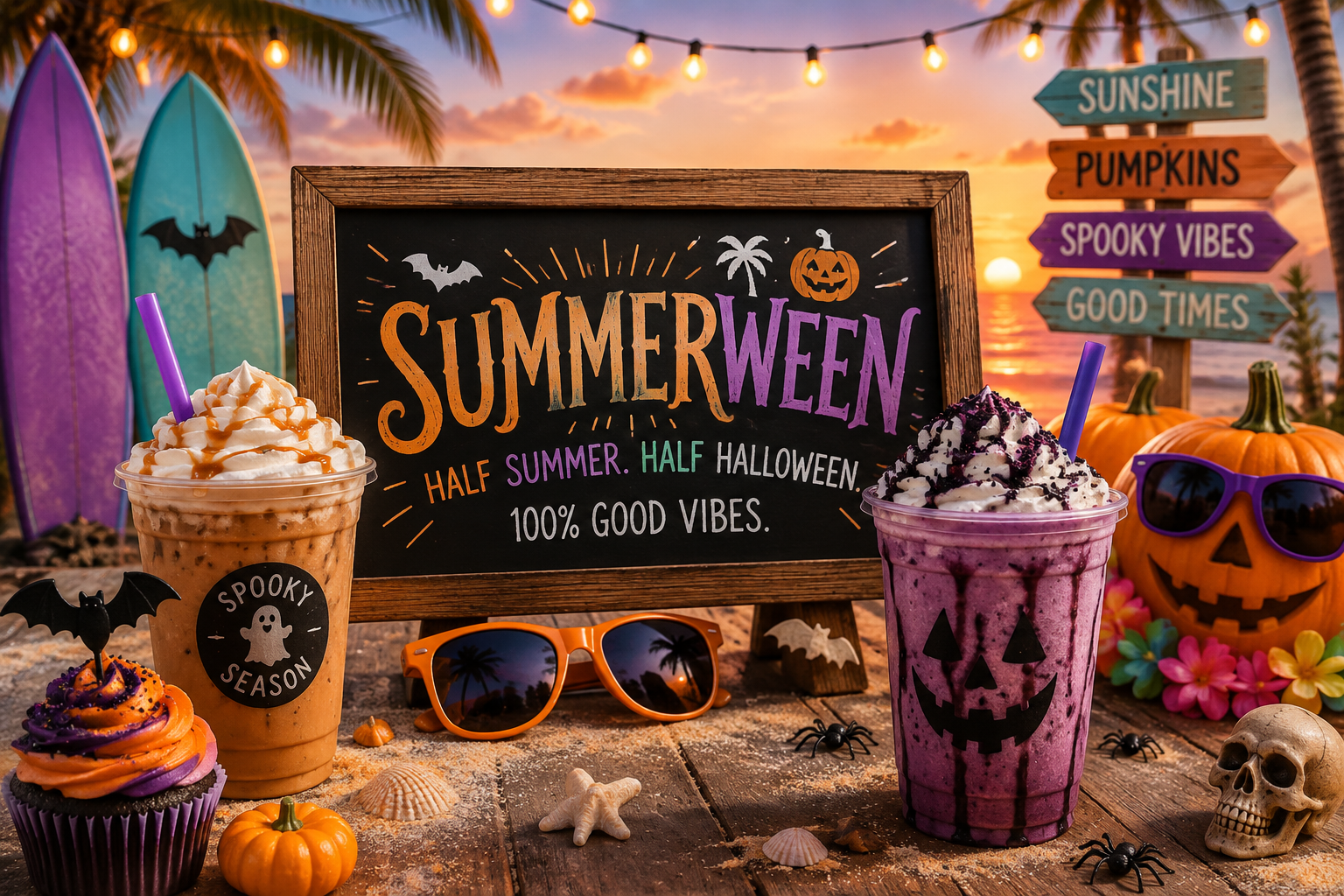
Welcome to Summerween, the unofficial mashup of summer and Halloween that has turned August into the new beginning of spooky season.
What started largely as a social media trend has become a real marketing opportunity. Consumers, particularly Gen Z, are embracing Halloween earlier, and restaurants are responding with limited-time drinks, seasonal desserts, themed menus, and experiences designed to make fall arrive well before the first cool day.
For restaurant owners, Summerween offers something even more valuable: a reason to create excitement during the traditionally awkward stretch between summer promotions and the official start of fall.
 Fall Is Arriving Earlier
Seasonal restaurant marketing has been creeping forward for years, but 2026 is making the shift especially hard to miss.
Krispy Kreme kicked off its autumn offerings in early August with seasonal doughnuts, while Scooter’s Coffee brought pumpkin, maple, and caramel apple flavors to its late-summer menu.
Dunkin’ is scheduled to introduce its fall lineup on August 19, followed by Starbucks on August 25 with the return of its Pumpkin Spice Latte and a new apple-cider-inspired Chaider.
Even Disney Parks has moved Halloween dining firmly into summer, introducing seasonal food and beverage offerings weeks before October.
The message for restaurants is clear: Consumers don’t necessarily need cool weather to start craving fall.
They just need a reason to get excited about what’s next.
Summerween Is About More Than Pumpkin Spice
Pumpkin isn’t disappearing, but restaurants are expanding the definition of fall flavor.
Caramel apple, maple, warm spices, cider, and toasted flavors offer familiar autumn cues without relying entirely on pumpkin. More adventurous menus are also experimenting with sweet-and-spicy combinations, smoky flavors, and unexpected savory ingredients.
That gives independent restaurants plenty of room to participate without simply creating another pumpkin latte.
A bakery might introduce an apple-cider doughnut for a few weekends. A pizzeria could develop a seasonal pie with roasted squash, hot honey, or sage. A bar might add a smoky maple cocktail. A coffee shop could test caramel apple cold foam or a late-summer drink that bridges fruitier summer flavors with warmer fall notes.
The idea isn’t necessarily to create an entire Halloween menu.
It’s to give customers something new to discover.

Why Gen Z Is Driving the Trend
For younger diners, seasonal food is often about more than flavor.
It’s also about the experience.
A limited-time drink with an unexpected garnish, a Halloween-themed dessert, creative packaging, or a restaurant transformed for spooky season gives customers something they can photograph, share, and talk about.
That social component can extend the reach of a seasonal promotion far beyond the people who walk through the door.
Restaurants don’t need elaborate decorations or expensive pop-ups to take advantage of it. One visually distinctive menu item or limited-time special can become the centerpiece of a social campaign.
The key is creating something customers feel they need to try before it’s gone.
Turn a Menu Item Into an Event
Summerween also reflects a larger restaurant marketing shift: Seasonal menu launches are increasingly being treated like product drops.
Instead of quietly adding a pumpkin dessert to the menu, restaurants can build anticipation around its arrival.
Tease a new item on social media. Give email subscribers an early look. Introduce it for one weekend. Create a countdown. Encourage customers to vote on which seasonal special should return.
A small menu addition suddenly becomes an event.
That approach can be especially useful during August, when restaurants may be looking for ways to keep customers engaged as vacations wind down and back-to-school routines begin.
Don’t Rush the Entire Season
There is one catch.
Not everyone is ready for Halloween while they’re still wearing flip-flops.
The increasingly early arrival of pumpkin spice and Halloween merchandise has also created what might be called seasonal creep fatigue. Some consumers love seeing fall arrive in August. Others feel like businesses are rushing them through the last weeks of summer.
Restaurants don’t have to choose one side.
Instead of replacing summer overnight, consider creating a transition period.
Keep popular summer dishes while introducing one or two early-fall specials. Pair peach with maple. Move from iced fruit drinks toward apple and chai. Introduce a Halloween dessert before transforming the entire dining room.
That lets customers participate in Summerween without feeling like Labor Day disappeared from the calendar.
How Independent Restaurants Can Use Summerween
You don’t need the marketing budget of Starbucks or Disney to turn the trend into traffic.
Start small.
Create one limited-time item that photographs well. Give it a memorable name. Promote it across your website, social channels, email list, and online ordering menu. Encourage customers to share it. Then pay attention to what sells.
Summerween can also be a useful testing ground for the rest of the season. An August special that performs particularly well might earn a permanent place on the fall menu.
Most importantly, don’t copy what every national chain is doing.
The advantage independent restaurants have is the ability to create something specific to their menu, neighborhood, and customers.
The Takeaway
Summerween may sound like another social media invention, but it points to a bigger shift in how restaurants approach seasonal marketing.
Customers increasingly enjoy the anticipation of a season almost as much as the season itself.
For restaurants, that creates an opportunity to turn the space between summer and fall into its own marketing moment.
You don’t have to put pumpkins on the tables in August.
But one great caramel apple dessert?
That might be worth getting a little spooky early.