For generations, the question, “Where do you want to eat?” belonged to the adults at the table.
Not anymore.
The oldest members of Generation Alpha, (now 16) generally defined as children born between 2010 and 2024, entered their teenage years with a lifetime of food discovery at their fingertips, something previous generations never had.
They watch restaurant videos before ever walking through the door. They see elaborate milkshakes, spicy noodles, and limited-edition tacos drops appear in their feeds. They follow creators who try new foods for a living. They know what is trending before many adults have heard of it.
And increasingly, they have a say in what the family eats.
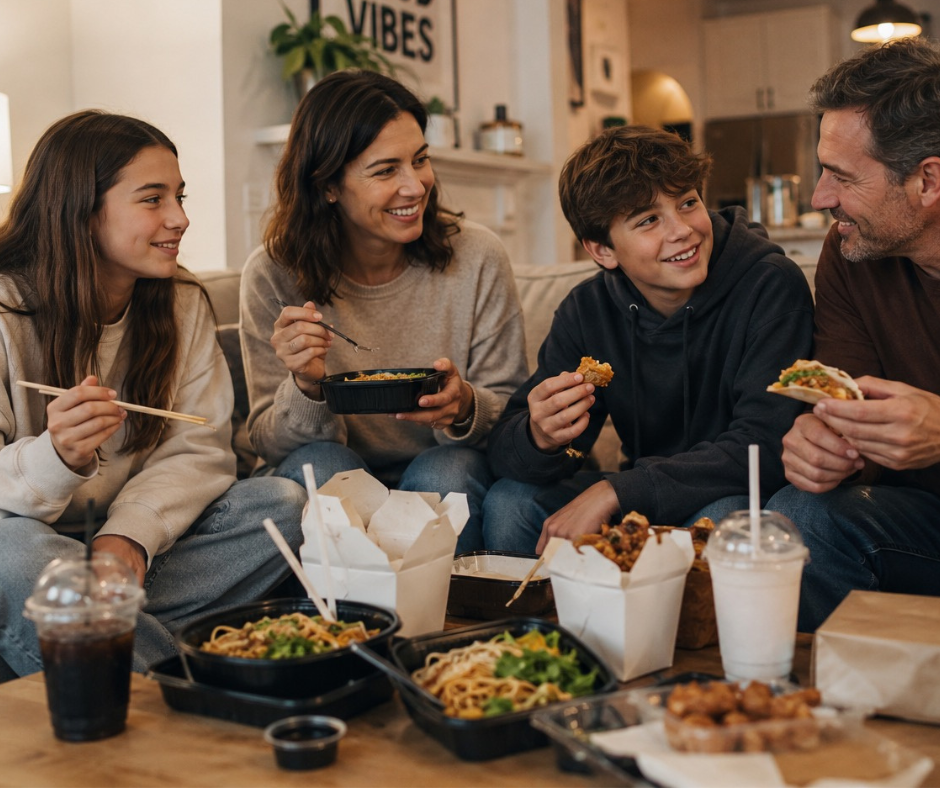
A study conducted by the Morning Consult found that 74% of parents of children ages 9 to 11 say their kids have input into restaurant decisions. Other research suggests that influence is beginning to extend beyond choosing where the family goes, with a quarter of children surveyed saying they independently order through food delivery platforms. For restaurants, that’s a significant shift.
The next generation of restaurant goers isn’t waiting until adulthood to develop restaurant preferences. They’re developing them now.
New Voice at the Table
Children influencing family purchases is nothing new. What’s different is the amount of information Gen Alpha brings to the decision.
Previous generations of children were introduced to restaurants largely through their parents, television advertising, or whatever happened to be nearby. Gen Alpha can discover a restaurant before anyone in the household has visited it.
A menu item can travel at war speed, from a restaurant kitchen to an influencer’s phone to millions of screens in a matter of hours. And that changes the conversation.
Instead of simply answering, “What do you feel like eating?” a child can arrive with a specific restaurant, dish, flavor, or trend already in mind. And parents are listening.
That makes Gen Alpha an unusual consumer group. They may not control most household food budgets, but they can influence where those dollars go. For restaurant marketers accustomed to targeting the person making the purchase, that requires a broader view of the customer. Because in 2026, the person choosing dinner isn’t always the one paying for it.
Food Discovery as Entertainment
For Gen Alpha, food isn’t just something to eat. It’s content.
Recent research has found that 70% of Gen Alpha consumers have tried a new food after seeing it on social media, while 45% watch other people try unfamiliar foods online. This creates an entirely different path to restaurant discovery.
A striking dish no longer reaches only the person sitting at the next table. It can become a piece of media that travels through TikTok, YouTube, Instagram, group chats, and family conversations.
The result is that restaurants increasingly have two audiences for the same menu item: both the person eating it and the person watching someone else eat it. That doesn’t mean every restaurant needs a viral stunt. It does, however, mean that presentation, storytelling, and shareability have become increasingly connected to discovery.
The menu itself is becoming part of the marketing.

Kids’ Menu Growing Up
Restaurants may also need to reconsider what children want to eat. The traditional kids’ menu that remained consistent for decades, containing nothing more than chicken tenders, burgers, mini pizzas, and mac and cheese, simply won’t cut it. Though Gen Alpha isn’t necessarily abandoning those foods, its culinary world is considerably larger.
Butterball’s research found that 58% of Gen Alpha respondents consider themselves more adventurous eaters than their parents, not surprising considering their media environment.
A child no longer watches people eating sushi, dumplings, hot pot, tacos, ramen, curry, or spicy snacks and perceives those foods as exotic. They’re simply part of the food landscape. Social media has effectively expanded the neighborhood restaurant scene to include the entire world.
For restaurants, the opportunity isn’t necessarily to eliminate familiar children’s favorites. It’s to reconsider how narrowly younger diners need to be defined.
Smaller portions of signature dishes, customizable meals, approachable global flavors, dipping sauces, shareable plates, and playful presentations can introduce younger diners to the restaurant’s actual identity rather than relegating them to an entirely separate menu.
Convenience Is Their Default Setting
While Millennials watched restaurant technology arrive, Gen Alpha was born into it. Digital ordering, delivery tracking, saved preferences, customization, and on-demand access don’t feel innovative to this generation. They’re simply part of how commerce works.
That distinction matters.
As Gen Alpha gains more purchasing independence, restaurant experiences will increasingly be compared not only with other restaurants but with every other seamless digital interaction in their lives.
If ordering dinner requires too many steps, a confusing menu, or a poor mobile experience, younger consumers are unlikely to view that as a minor inconvenience.
They may simply move on.
For restaurants, the digital ordering experience is becoming inseparable from the brand experience.
From Pester to Power
Marketers have talked about children’s “pester power,” the ability of kids to influence what parents buy, for decades. But that phrase may underestimate what’s happening now.
Gen Alpha isn’t simply asking for a product advertised during a cartoon. They’re actively discovering brands, comparing experiences, participating in trends, and bringing those preferences into household purchasing decisions.
And every one of those decisions is doing something else. It’s creating memory.
The pizza place the family orders from every Friday. The restaurant with the noodles they saw online. The burger they customize exactly the way they like it. The dessert everyone photographs before taking the first bite. Those experiences can become early brand relationships.
Restaurants aren’t simply competing for tonight’s order. They may be competing for a place in a customer’s life long before that customer has the power of a food budget of their own.

What Restaurants Can Do
None of this means restaurants should suddenly start marketing directly to 10-year-olds.
It means they should recognize that the household decision-maker is becoming more complicated.
Start with the menu. Make it easy to view on a phone. Use clear descriptions and strong photography where appropriate. Consider whether younger diners can experience the foods that actually make the restaurant distinctive rather than being confined to a generic children’s menu.
Think about customization. Gen Alpha has grown up choosing avatars, playlists, game environments, and digital experiences. The ability to personalize a meal can make ordering feel intuitive rather than complicated.
Pay attention to visual discovery, too. Restaurants don’t need to manufacture viral moments, but dishes that are distinctive, photogenic, surprising, or easy to talk about have a natural advantage in a culture where food travels through screens.
And don’t overlook delivery.
When a restaurant meal arrives at someone’s home, the experience doesn’t stop at the front door. Packaging, accuracy, presentation, customization, and ease of reordering all contribute to how a household remembers the brand.
Take Away
Gen Alpha won’t remain the generation sitting in the back seat asking what’s for dinner for long.
Over the next several years, its oldest members will go to college, gain jobs, and have spending power, independence, and households of their own.
Restaurant brands have an opportunity to meet them before that happens.
Not by chasing every meme or redesigning the menu around whatever happens to be trending this week, but by understanding how this generation discovers food, participates in family decisions, and forms preferences.
The restaurants that do that well may gain something more valuable than a viral moment.
They may gain a customer before that customer ever picks up the check.