
Behind the Counter
From Ranch to Ribs: American Foods World Cup Visitors Are Eating Up
June 30, 2026
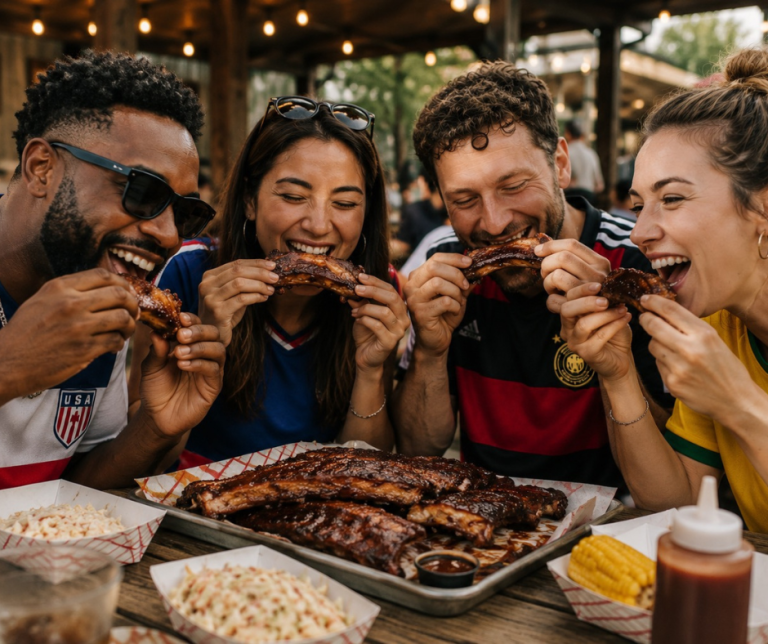
World Cup fans are savoring American fare. Learn how to turn this culinary curiosity long after the final whistle blows.
Overview
Ask an international visitor what surprised them most about eating in America during the World Cup, and many won’t start with barbecue or burgers.
They’ll start with ranch dressing.
America’s favorite condiment has become an unexpected social media star, with fans documenting their first taste of the creamy dressing on everything from pizza to French fries. It is just one example of how food is becoming part of the World Cup experience, giving restaurants an opportunity to introduce visitors to the flavors, rituals, and regional favorites that have become uniquely American.
Every World Cup creates unforgettable moments on the pitch. But in 2026, another competition is emerging off the field: America’s food scene.
From fans discovering ranch dressing for the first time to visitors making food stops part of their travel itineraries, international guests are not only coming for soccer. They are also getting a crash course in American dining culture.
For restaurants, that creates an opportunity that goes beyond increased foot traffic.
It is a chance to turn curiosity into orders, first-time visitors into fans, and familiar foods into memorable World Cup experiences.
1. Ranch Dressing
Perhaps the tournament’s biggest surprise is not a main dish at all.
It is ranch.
For many international visitors, ranch dressing feels distinctly American: creamy, tangy, versatile, and seemingly everywhere. Fans are discovering it as a dip for wings, fries, vegetables, pizza, chicken tenders, and almost anything else that arrives on the table.
For restaurants, ranch is more than a side sauce. It is a reminder that small menu details can become part of the experience. Signature dips, house-made sauces, and playful add-ons can give visitors something to talk about, post about, and remember.
2. Chicken Sandwiches
Few menu items have experienced a bigger rise over the past decade than the chicken sandwich.
From crispy Southern-style sandwiches to Nashville hot, spicy, grilled, and gourmet versions, restaurants across the country have transformed a simple menu staple into one of America’s most competitive food categories.
For international visitors, trying an iconic American chicken sandwich has become part of the experience. Whether they’re ordering from a neighborhood restaurant or a nationally recognized brand, fans are discovering why the chicken sandwich has become one of the country’s defining comfort foods.
For restaurants, the category offers endless opportunities for creativity. Signature sauces, regional flavors, premium toppings, and limited-time World Cup specials can help differentiate menus while appealing to visitors looking for an authentic American meal.
3. Cheeseburgers
The cheeseburger remains one of America’s most recognizable food exports.
Whether visitors are trying a classic diner burger, a smash burger, or a restaurant’s signature gourmet version, the appeal is simple: familiar, customizable, and easy to enjoy on the go.
For restaurants, burgers are also highly adaptable. Limited-time toppings, regional sauces, spicy versions, double-stacked options, and combo meals can help a familiar item feel fresh during a major event.
4. Buffalo Wings
Wings and sports already go hand in hand.
For World Cup visitors, buffalo wings offer a direct introduction to American game-day dining. They are shareable, flavorful, casual, and built for group viewing.
Restaurants can lean into wings by offering mixed-flavor platters, extra dipping sauces, party trays, and delivery-friendly packaging designed to keep orders crisp and organized.
5. Fried Chicken
Crispy, comforting, and endlessly versatile, fried chicken remains one of the American foods visitors are eager to try.
From Southern-style fried chicken to chicken sandwiches, tenders, and spicy variations, this category fits both dine-in and delivery occasions.
For restaurants, fried chicken can also become part of World Cup bundles, late-night menus, and family meals designed for fans watching matches from hotels, rentals, apartments, and homes.
6. Pizza
Pizza may not be uniquely American, but American pizza culture is its own experience.
New York-style slices, deep-dish pies, loaded toppings, oversized delivery boxes, and late-night pizza runs all shape how visitors experience food in U.S. cities.
For restaurants, pizza remains one of the most delivery-friendly World Cup foods. It is familiar, shareable, easy to order, and ideal for groups watching multiple matches.
7. Mac and Cheese
Mac and cheese is comfort food at its most American.
Creamy, rich, and often served as both a side and a main dish, it can surprise visitors who may not expect something so simple to have such cultural staying power.
Restaurants can use mac and cheese as a featured side, an upgrade, or even a limited-time dish with barbecue, buffalo chicken, lobster, or regional toppings.
8. Tex-Mex Favorites
Tacos, nachos, queso, burritos, and loaded chips offer another side of American dining culture.
While inspired by Mexican cuisine, Tex-Mex has become deeply embedded in American restaurant and sports-viewing culture. For World Cup fans, it is colorful, casual, shareable, and highly customizable.
Restaurants can create nacho trays, taco kits, queso bundles, and build-your-own meals that work well for both dine-in crowds and delivery orders.
9. Cheesesteaks
Few sandwiches are more closely associated with an American city than the Philadelphia cheesesteak.
For many World Cup visitors traveling through Philadelphia, trying an authentic cheesesteak will be as much a part of the itinerary as visiting Independence Hall or attending a match. Thinly sliced steak, melted cheese, and a crusty roll create a meal that has become synonymous with the city itself.
Restaurants can embrace the moment by highlighting cheesesteaks as a local specialty, offering sampler portions, or creating World Cup meal combinations with fries and drinks for fans on the go.
10. Apple Pie
Apple pie may be one of America’s oldest comfort foods, but it remains one of its most recognizable culinary symbols.
Whether served warm with vanilla ice cream or featured as part of a seasonal dessert menu, apple pie offers visitors a taste of American tradition. It represents nostalgia, family gatherings, and home-style cooking in a way few desserts can.
Restaurants can feature house-made pies, individual servings, or limited-time patriotic desserts that celebrate both the World Cup and America’s rich culinary heritage.
11. Barbecue and Ribs
Few foods communicate American regional flavor like barbecue.
Texas brisket, Kansas City ribs, Memphis dry rub, Carolina pulled pork, and smoky barbecue platters offer visitors a taste of American food culture that feels deeply tied to place, tradition, and craftsmanship. Unlike many menu items, barbecue tells a regional story, with every destination putting its own spin on smoking techniques, sauces, and seasonings.
Barbecue also works especially well for groups. During the World Cup, shareable ribs, pulled pork sandwiches, brisket platters, sliders, and family-style feasts can appeal to fans gathering before, during, or after matches. For restaurants, barbecue-inspired bundles can transform a single delivery order into the centerpiece of a watch party.
Regional Specialties
One of the greatest advantages of hosting the World Cup across multiple cities is the opportunity to introduce visitors to America’s rich regional food traditions.
Every host city has signature dishes that tell a story about its history, culture, and identity. For many international visitors, trying those local favorites becomes just as memorable as attending a match.
In Philadelphia, that might mean a cheesesteak or roast pork sandwich. In Chicago, a classic hot dog or deep-dish pizza. New York offers iconic pizza slices, bagels, and towering deli sandwiches. Texas is synonymous with barbecue, while Louisiana introduces visitors to po’ boys, gumbo, and Cajun flavors. In Miami, Cuban sandwiches, fresh seafood, and key lime pie reflect the state’s unique culinary influences.
For travelers, these dishes become part of the destination. For restaurants, they offer an opportunity to showcase local pride while creating memorable dining experiences that visitors will associate with America’s World Cup.
How Restaurants Can Capitalize on Culinary Curiosity
The World Cup is more than a sporting event. It is a tourism event, a cultural event, and a dining event.
Millions of international visitors will be looking for meals that feel authentic, memorable, and distinctly American. Restaurants that make those experiences easy to discover, order, and share can turn curiosity into customers.
Here are five ways restaurants can make the most of the opportunity.
Showcase American Favorites
Many international visitors know they want to try American food, but they may not know exactly what to order.
Make signature items easy to find by featuring them prominently on your website, online ordering platform, delivery menu, and social media. Labels such as Local Favorite, American Classic, Game-Day Favorite, or World Cup Special can help visitors quickly identify the dishes they’re looking for.
Every first bite has the potential to become social content. The easier iconic dishes are to discover, the more likely they are to be shared.
Build World Cup Tasting Bundles
World Cup fans rarely dine alone.
Create bundles built around foods visitors already want to experience, including burgers, wings, barbecue, pizza, fries, tacos, and shareable appetizers. Group meals simplify ordering while naturally increasing average order value.
A thoughtfully packaged meal can become the centerpiece of a hotel gathering, rooftop watch party, or family celebration.
Celebrate Local Flavor
For many visitors, food is an essential part of the travel experience.
Lean into what makes your city unique. A Philadelphia restaurant doesn’t need to compete with Texas barbecue if it can showcase cheesesteaks, roast pork sandwiches, tomato pie, or soft pretzels. Likewise, every host city has regional specialties worth celebrating.
Local flavor isn’t a limitation. It’s a competitive advantage.
Think Beyond the Dining Room
Not every fan will eat inside a restaurant.
Many visitors will order meals to hotels, vacation rentals, apartments, offices, parks, and private watch parties. Restaurants that offer seamless online ordering, direct-order links, delivery-friendly packaging, and group-friendly meals can capture demand wherever fans choose to watch.
Convenience becomes part of the experience.
Tell the Story
Visitors love discovering the story behind the food they’re eating.
Whether it’s a house-made ranch recipe, a family barbecue tradition, or the history behind a city-famous sandwich, a little context can make a meal feel far more memorable. Those stories can be shared through menu descriptions, social media, blog content, email campaigns, or even table tents.
The more personal the story, the more memorable the experience.
Final Whistle
The 2026 FIFA World Cup is introducing international visitors to more than stadiums, host cities, and match-day traditions.
It is introducing them to American food culture.
From ranch dressing and buffalo wings to barbecue, cheesesteaks, pizza, and regional specialties, restaurants have an opportunity to create the kind of food memories visitors will take home long after the tournament ends.
Every memorable meal becomes part of the journey. Long after the trophy is lifted and the stadiums empty, many fans will remember their first taste of ranch dressing, their first plate of barbecue, or the local specialty they discovered between matches.
For restaurants, that’s the real opportunity: turning a meal into one of the lasting memories of America’s World Cup.