
Sauce Blog
How to Build a GLP-1 Friendly Section on Your Online Menu
November 4, 2026
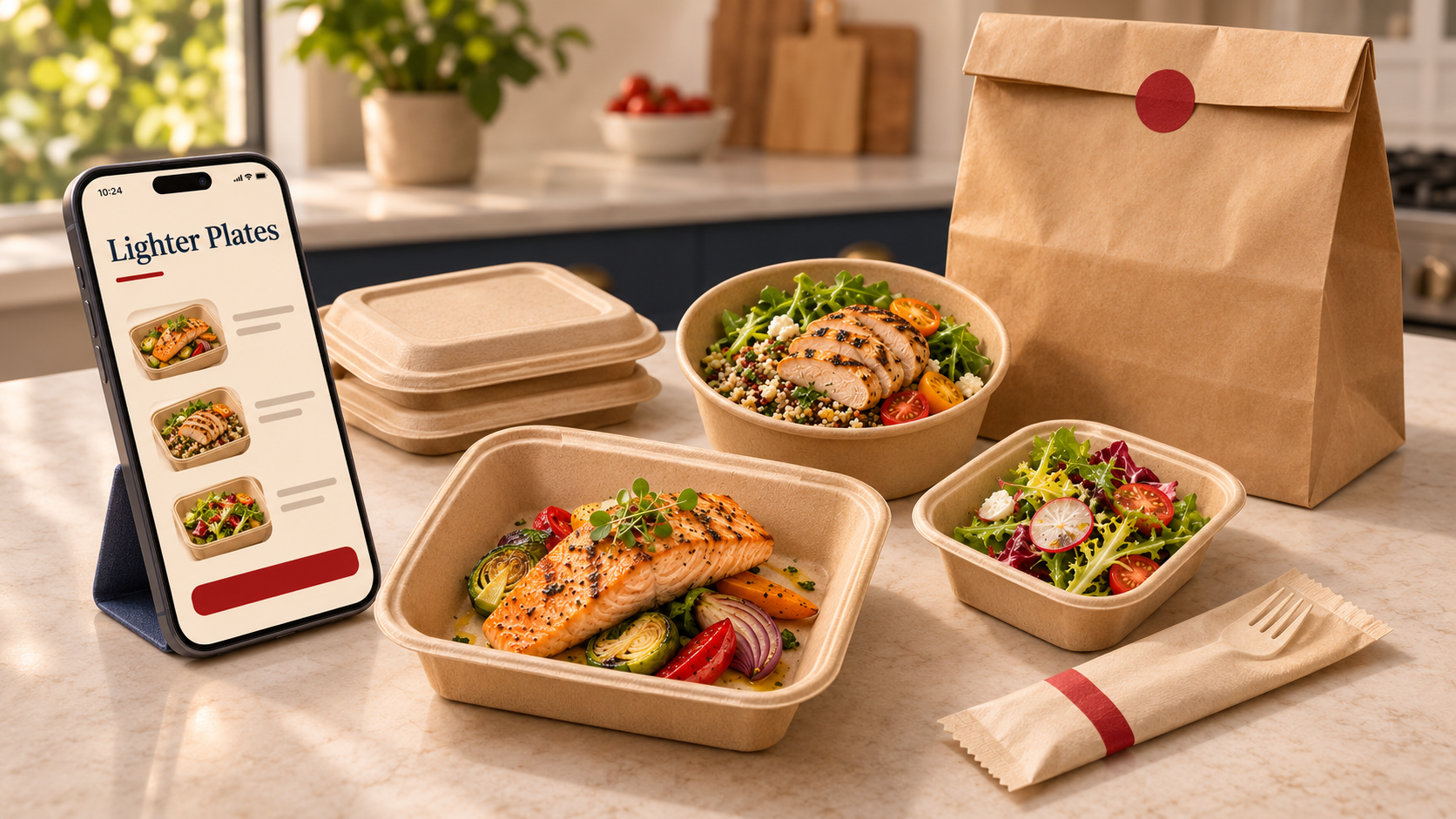
In May we looked at how GLP-1s are shrinking appetites, check sizes and margins. This is the follow-up: a practical guide to building a GLP-1 friendly section on your online menu.
Back in May, we covered the big picture in Injecting Change: How GLP-1s Are Shrinking Appetites, Check Sizes, and Restaurant Margins. Short version: your guests on Ozempic, Wegovy and Zepbound are still eating out. They're just ordering less food, more protein and fewer extras.
Since then, the question has changed. It's not "is this real?" anymore. It's "what do I actually change on my menu?"
The answer starts online. At Sauce, we help restaurants grow direct orders, and this shift shows up there first. Online, a guest can quietly look for a half portion or a high-protein bowl without asking a server. If they can't find one, they order somewhere else.
The new data points to one problem: guests can't find the food
The research that's come out this year agrees on something useful. GLP-1 guests aren't asking restaurants to cook differently. They're asking restaurants to make the right dishes easier to find.
- 89% of GLP-1 users told the National Restaurant Association that restaurants could do a better job highlighting options that fit how they eat. 76% said they'd pay more for those items. [1] [2]
- 60% told Ohio State researchers they're more likely to choose a restaurant with options that fit their goals, and 38% said they'd eat out more often if more places offered them. [2]
- Yet only 9% of the Ohio operators in that study said they currently highlight GLP-1-friendly options. [2]
That gap is the opportunity. The food is usually already on your menu. It's just not labeled, grouped or easy to order.
The big chains already moved
If you want proof this is real, look at who's changing their menus. Mostly, they didn't invent new food. They repackaged what they already had and gave it a name.
- Olive Garden: Added a “Lighter Portions” section with seven smaller dishes at lower prices. [3]
- The Cheesecake Factory: Added smaller, lower-priced Bites and Bowls. [3]
- P.F. Chang’s: Started offering medium-sized portions. [3]
- Shake Shack: Launched a “Good Fit” menu that includes GLP-1-friendly choices. [4]
- Chipotle: Launched a High Protein Menu. [5]
- Smoothie King: Launched a dedicated GLP-1 Support Menu in October 2024. [6]
It's not just chains. Cuba Libre, a restaurant group with locations including Philadelphia, launched a “GLP-Wonderful” menu. Its owner told the Associated Press that 10 to 20 groups at each location every week include at least one person requesting it. [3]
You don't need a test kitchen or a marketing department to do this. You probably already have the dishes.
How to make your online menu GLP-1 friendly
Here's how to build your own section this week, step by step.
1. Find what you already serve
Go through your menu and pull out the high-protein dishes, the lighter plates and anything that works as a smaller portion. Grilled chicken, fish, bowls, salads with a real protein. Most restaurants have five or six without trying.
2. Give them a home
Group those dishes in their own section of your online menu and give it a clear name. "Lighter Plates," "Small Appetite," "Protein Picks." The 89% who say restaurants hide these options are telling you exactly what to fix.
3. Offer half portions and smaller sizes
We covered right-sized plates and pick-two formats in May. The online step is simple: make the smaller size a clear option on the dish, not a separate thing guests have to hunt for.
4. Make modifiers do the work
Add easy options at checkout: add extra protein, sauce on the side, swap fries for a side salad, no bun. These keep the guest in control and often add to the check.
5. Write descriptions that answer the question
Say what's in the dish and how big it is. "6 oz grilled salmon, roasted vegetables, quinoa" tells a GLP-1 guest what they need to know. "Our famous salmon plate" doesn't.
6. Replace the add-ons you're losing
The May post has ideas for protein sides, mini desserts and low-ABV drinks. Online, put them in the checkout suggestions where dessert and drinks used to go.
7. Price it fairly
Smaller portions should cost less. And since 76% of GLP-1 users say they'll pay more for items that fit, there's room to price for value without discounting the dish into a loss.
8. Tell your regulars
Once the section is live, send it out by email or text. The people who quietly stopped ordering may just need to know you have something for them now.
What not to do
Don't make health claims. Don't call a dish "safe for GLP-1" or suggest it helps with weight loss. Describe the food: portion, protein, ingredients. Let guests decide what fits.
Don't shrink the regular menu. Smaller portions work when they're a choice. Quietly cutting the size of your regular plates feels like shrinkflation, and guests notice. Olive Garden kept its full-size dishes and added the lighter section next to them.
Don't guess at nutrition numbers. If you list calories or protein grams, make sure they're accurate. If you don't have them, plain descriptions are fine.
Don't bury it. A great lighter section on page four of your menu does nothing. Put it where people look first.
Smaller plates, same customer
GLP-1s aren't taking your customers away. They're changing what those customers put in the cart. The restaurants that win are the ones that make the new order easy to find and easy to place.
That's much easier on your own ordering channel. On a marketplace, you're one listing among hundreds, with limited control over how your menu shows up and no direct line to the guest. On your own site, you decide how the menu is organized, which sections lead, and you can reach your regulars when something new goes live.
Sauce gives restaurants branded online ordering, restaurant websites and marketing and retention tools to do exactly that. Build the lighter section, put it up front, and tell the guests who'll want it. [7]
Ready to update your menu for the way people order now?
Written by Jonathan Elliot