Restaurants have spent most of this decade in adaptation mode, navigating a global crisis, the rise of delivery, soaring food costs, supply chain disruptions, labor shortages, and changing consumer habits. But this shift feels different.
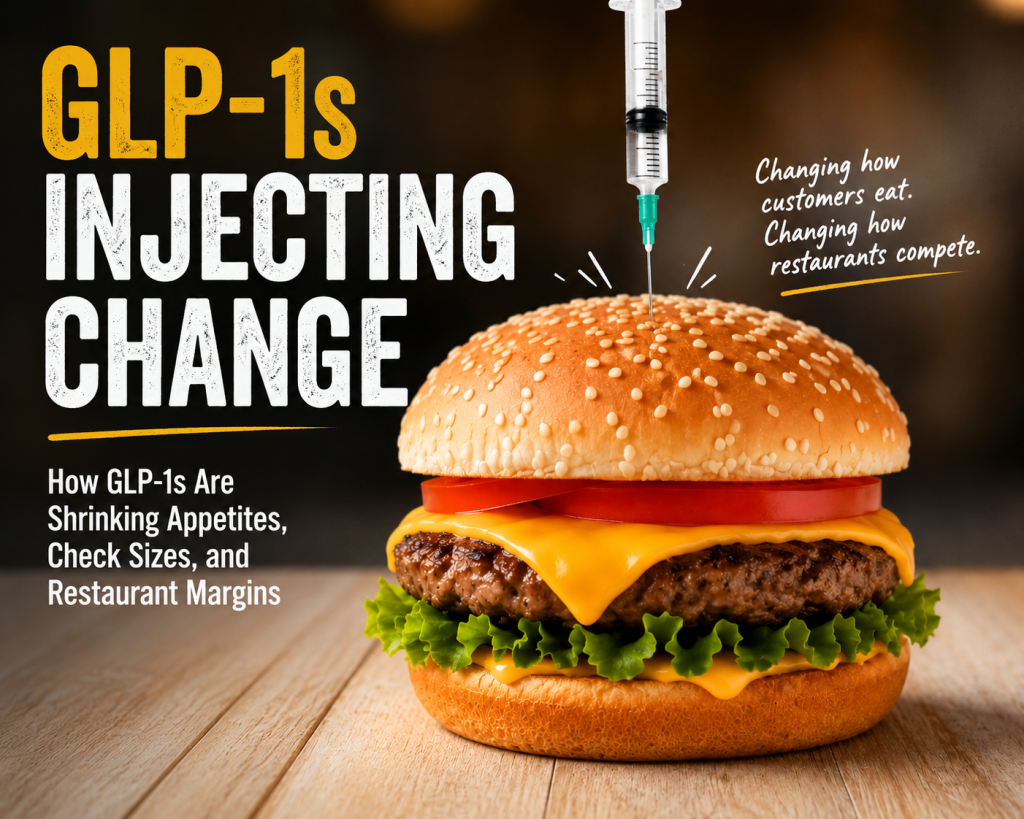
GLP-1 medications like semaglutide (Ozempic and Wegovy) and tirzepatide (Mounjaro and Zepbound) aren’t just influencing what people eat. They’re changing how much people order, how often they dine out, and how customers define value.
Customers are skipping meals, losing interest in alcohol and add-ons, and ordering less overall. That shift makes capturing earlier dayparts, like breakfast delivery, even more important for maintaining customer frequency and retention.
The operators who recognize what’s happening now and adjust early will be the ones best positioned to stay ahead.
 The Numbers Behind the Shift
GLP-1 adoption is accelerating quickly, and users are becoming a meaningful part of the customer base, not a fringe trend.
- An estimated 12% of U.S. adults have used a GLP-1 medication, including Ozempic, Wegovy, and Mounjaro.
- 24 million Americans could be using GLP-1s by 2035.
Appetites are shrinking, and meal patterns are shifting, directly impacting order frequency, portion demand, and menu mix.
Restaurant spending is already beginning to feel the effects. Even small behavioral shifts at scale can create meaningful revenue pressure.
- Estimates show that GLP-1 adoption could contribute to a 1% long-term decline in overall restaurant industry sales.
- Reduced calorie consumption may translate into lower food-away-from-home spending.
Alcohol and high-margin add-ons are also declining, affecting some of the most profitable categories on restaurant menus.
- GLP-1 users report reduced cravings for alcohol, resulting in measurable declines in alcohol consumption.
As portion perceptions shift, oversized servings may begin working against perceived value.
- Consumers are moving away from “value equals volume” toward quality, protein, and nutrient density.
Consumer expectations are already evolving alongside these changes.
- A 2026 survey found that nearly 70% of GLP-1 users eat smaller portions.
- 48% said they would dine out more frequently if smaller options were available.
What Restaurants Need to Know: 5 Strategic Shifts to Make Now
This isn’t about losing customers. It’s about understanding how their behavior is changing and adjusting your model accordingly.
1. Smaller Appetites Don’t Mean Smaller Opportunities
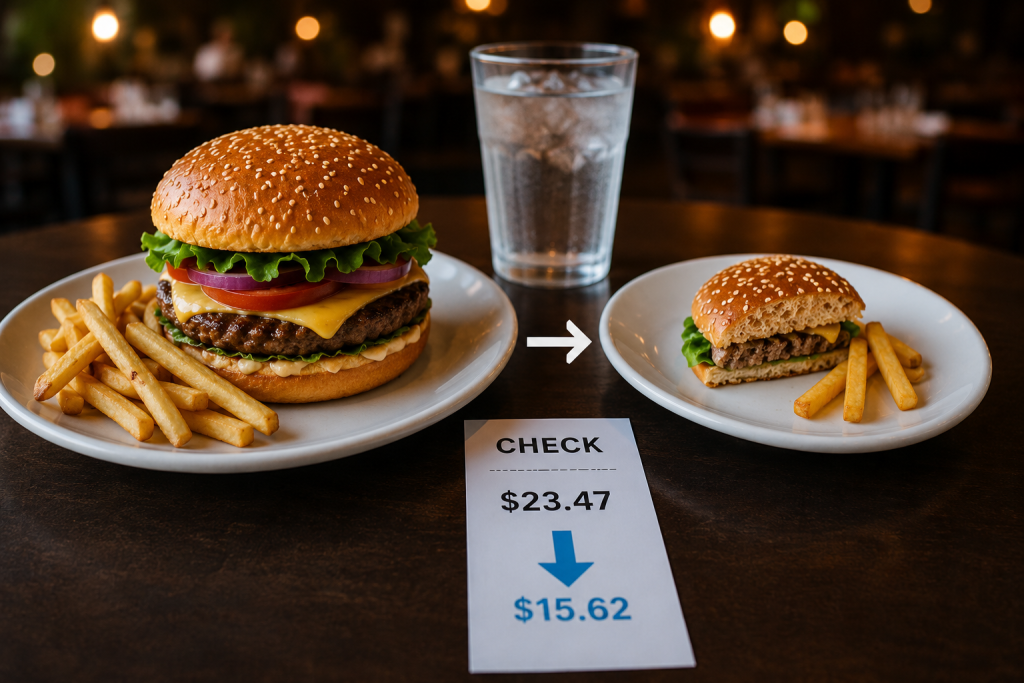
- Offer half portions or “right-sized” plates at a slightly higher margin
- Introduce pick-two or mix-and-match formats.
- Build bundles that feel complete without being excessive, using bundled ordering strategies that simplify decisions and protect check size.
The goal is to protect check averages while aligning with how customers want to eat.
2. Redefine Value Beyond Portion Size
For decades, value meant quantity. That equation is starting to shift. Customers want to feel satisfied, not stuffed.
Lean into:
- Protein-forward meals: Grass-fed beef, wild-caught fish, and combination plant-based proteins.
- Premium ingredients in smaller portions: Premium cuts of beef such as filet mignon, salmon and branzino, and free-range organic chicken
- Clear nutritional or functional callouts: High-protein, balanced, energy-focused)
.
3. Rethink Your Menu Mix
GLP-1 users are naturally moving away from heavy, fried, and overly indulgent items.
That doesn’t mean removing them. It means balancing your menu with:
- Lighter, cleaner options that still feel craveable
- Flexible builds where customers control portion size
- Shareable formats that reduce pressure to over-order
This is about offering choice without forcing a full reset.
4. Protect Your High-Margin Categories
If alcohol and add-ons are declining, you need new ways to drive margin.
Test:
- Smaller-format beverages or low-ABV options
- Functional drinks (hydration, energy, wellness positioning), tapping into growing demand for non-alcoholic and low-ABV beverage programs that drive profit without relying on traditional alcohol sales
- Premium sides or add-ons that feel intentional, not excessive
The objective isn’t to replace alcohol sales directly. It’s to create new customer habits.

5. Win the New Decision Window
With fewer meals per day, each ordering decision matters more.
That means:
- Show up earlier with “meal solved” messaging, especially as more operators are finding success with breakfast delivery and earlier daypart strategies that capture demand before traditional lunch and dinner decisions
- Make ordering fast, simple, and low-commitment
- Highlight portions clearly so customers don’t hesitate
When customers eat less often, you have fewer chances to win them.
Menu Ideas That Align with GLP-1 Behavior
This is where strategy turns into something tangible.
Right-Sized Plates: Smaller entrees that still feel complete. Think protein + side, not oversized combinations.
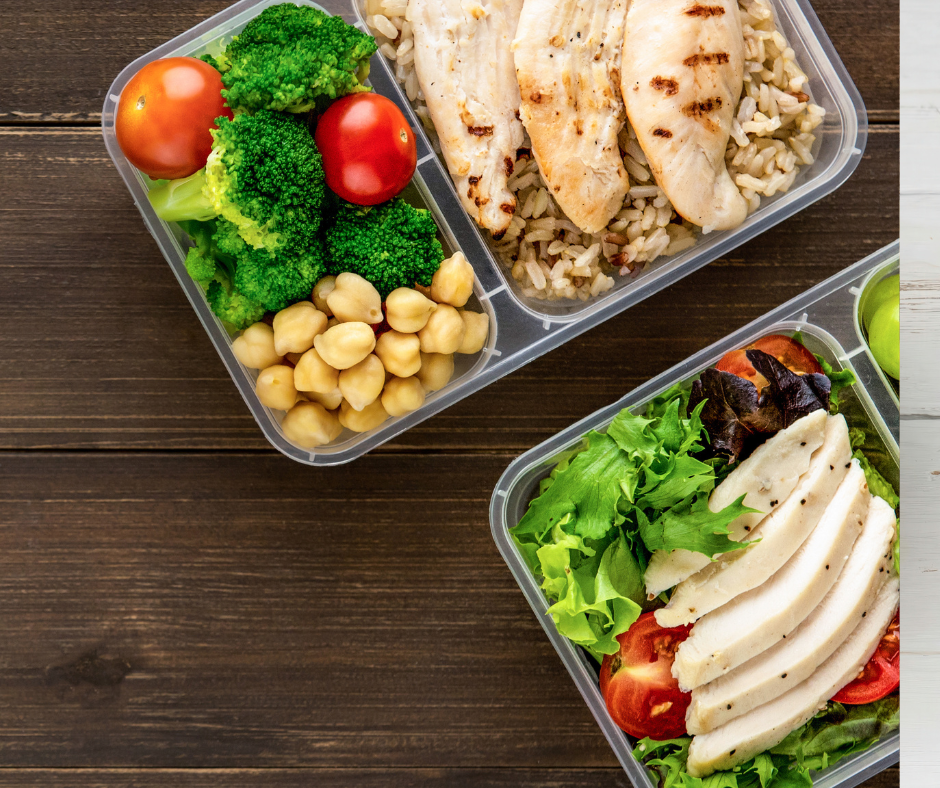
High-Protein Bowls: Grilled chicken, steak, salmon, tofu with grains or greens. Customizable, balanced, and filling without excess.
Pick-Two Menus: Soup + salad, half sandwich + bowl, or mix-and-match formats that reduce portion pressure, mirroring bundled ordering formats that streamline decisions and increase average order value
Shareables That Actually Share: Not just large apps, but modular plates designed for lighter group eating.
Snackable Add-Ons: Smaller, intentional add-ons like:
- Protein sides
- Veg-forward dishes
- Mini desserts
Scaled Beverage Options: Half pours, low-ABV cocktails, or functional beverages that meet changing habits.
Takeaway
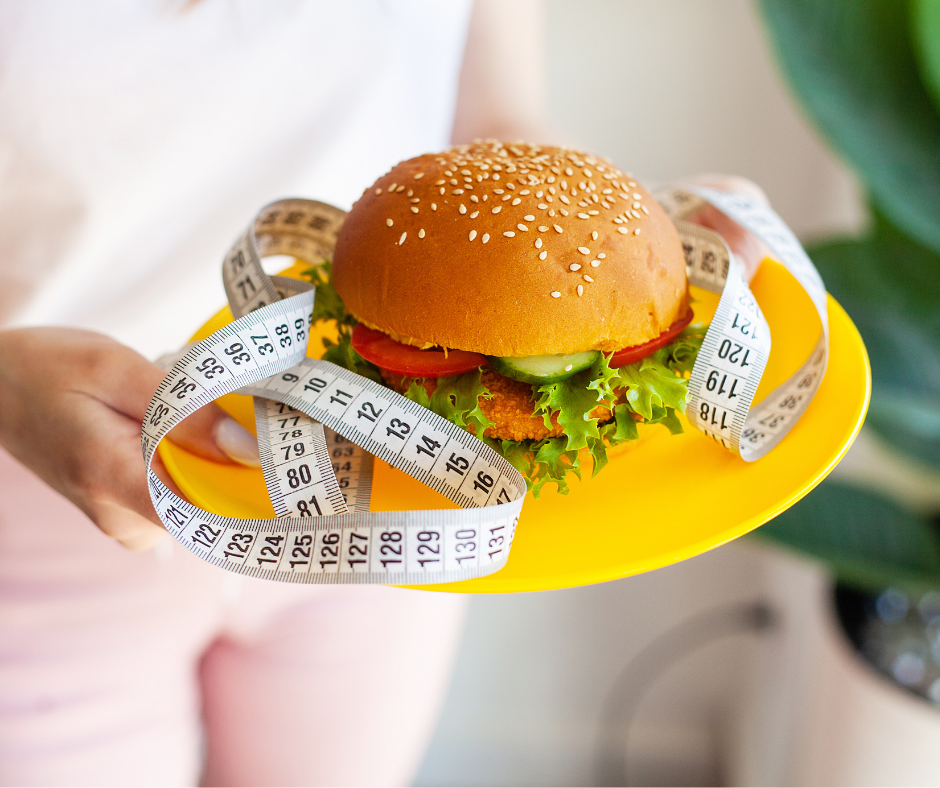
GLP-1 medications aren’t just changing appetites. They’re reshaping how customers think about value, portions, frequency, and satisfaction.
Restaurants that continue operating under the assumption that bigger portions automatically drive perceived value may begin feeling pressure in both check averages and customer retention.
The operators that adapt early by refining portion strategy, simplifying ordering, emphasizing quality, and creating menus that align with evolving behavior will be better positioned to compete in the years ahead.
This shift isn’t about eating less. It’s about thinking differently.