
Holidays
Breaking Tradition, Not the Spirit: How to Attract the Modern Passover Diner
March 24, 2026
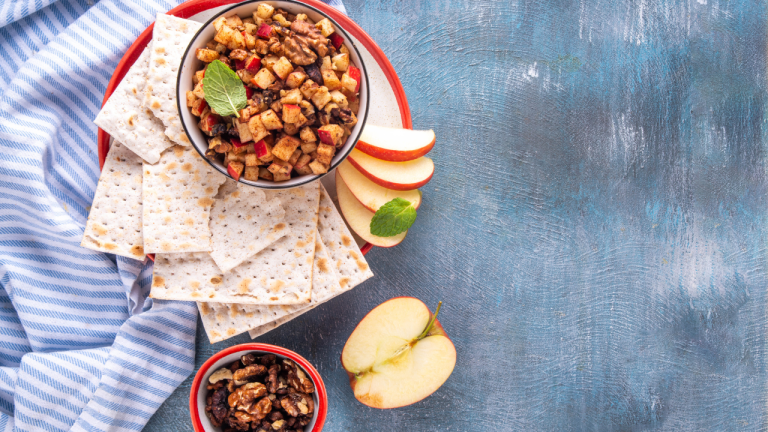
While many restaurants close their doors or shift menus to align with strict Passover customs, a growing number of establishments
Overview
In 2026, Passover (Pesach) begins at sundown on Wednesday, April 1st, and ends at nightfall on Thursday, April 9th.
While many establishments close their doors or shift menus to align with strict Passover customs, a growing number of restaurants are embracing a different kind of celebration—one that caters to the culturally connected but less religious customer. These diners may not be avoiding chametz with religious rigor, but they’re still seeking a meaningful way to mark the season—often with good food, shared experiences, and a sense of belonging.
For restaurants choosing to stay open during Passover, this presents a unique opportunity: how can you tap into the spirit of the holiday without alienating those who don’t keep kosher? To help families face the challenge of feeding a crowd and maintaining even a modicum of organization, restaurants that offer Passover dinners and catering could be the answer to their prayers.
If you’re looking for ways to offer your customers an authentic, yet modern approach to the holiday, we’ve put together this guide to help you deliver a Passover menu that would make any bubbie proud.
The Perfect Passover Seder
Since ancient times, the Passover Seder has begun with the children at the table asking four questions and the adults answering in sequence. The question-answer session tells the story of what makes Passover different from all other nights. For restaurants, it’s important to have a basic understanding of the holiday before tackling this special occasion.
Restaurants already catering to the kosher community are already knowledgeable about the holiday and all of its accouterments, but if you’re not quite as familiar but still want to offer a Passover menu at your restaurant, here is a guide to the holiday.
1. What is Passover?
Passover is celebrated by Jews every year, commemorating the anniversary of the miraculous Exodus from Egyptian slavery. On the first two nights of Passover in the US, the Seder, a ritual-rich 15-step feast, which centers around telling the story of the Exodus and very specific foods take place.
Passover, or Pesach, is the Jewish holiday that marks the Israelites’ freedom from slavery in ancient Egypt, and the “passing over” of the firstborn Israelites from harm.
Because Jewish holidays follow the Hebrew calendar, the holidays are always different in the US each year, so it’s important for restaurants that cater to the Jewish community to be aware of these dates.
Passover begins on the 12th and ends on the 20th day of the month of Nisan on the Hebrew calendar. In 2026, Americans celebrate Passover beginning on April 1st.
On Passover, Jews may not consume chametz, anything containing grain that has risen. This includes virtually all breads, pastas, cakes, and cookies. Before the holiday, homes are thoroughly cleaned for Passover, kitchens are purged, and the remaining chametz is thrown away or donated.
Following the intermediate days, when work restrictions are somewhat relaxed, the chametz remains forbidden.
Restaurants that wish to cater to the Jewish community during Passover should keep these special menu items available throughout the entire eight days, even though the Seder, on the first two nights, is when most families in the US gather together for their feasts.
2. What does Kosher for Passover mean?
There is a difference between kosher foods and foods that are kosher for Passover. Many families in the US keep kosher all year ‘round, while other families only keep kosher for Passover.
Kashrut is the set of dietary guidelines that governs the everyday Jewish diet; permissible foods are called kosher. Commonly known laws forbid eating certain foods, such as pork and shellfish, and eating dairy products together with meat. These foods must not only be consumed separately, but also prepared separately.
Additionally, animals for meat and poultry must be slaughtered according to specific practices under the supervision of a rabbinical authority. Items that meet these standards will be labeled accordingly.
The set of kosher guidelines that applies all year long also applies at Passover, but during the eight-day observance, all bread products are banished from the diet and from the home.
Because the Israelites didn’t have time for any leavening of bread when escaping from Egypt, all grains that require more than 18 minutes to ferment are prohibited. It’s not just bread, but any food made from the grains rye, barley, oats, spelt, and wheat, because these grains start to ferment and rise when they come into contact with water.
Matzo can be made with these grains as long as the entire baking process is under 18 minutes. And it’s ot just the bread itself, but products made from prohibited grains, such as beer and pasta, are also not permitted. Most alcohol is not permissible, but wine that is marked “kosher for Passover” and has not come into contact with any chametz is okay.
These days, there are many packaged foods that bear certain symbols to identify their kosher certifications. That’s why you’ll see boxes of Matzo labeled “Kosher for Passover” and some that are not. If you are serving matzo at your restaurant during Passover, make sure that you are serving one labeled “Kosher for Passover.”
Alternatively, you may see a circled letter K or U alongside the letter P (for Pesach). Some symbols also feature Hebrew characters, stars, and other shapes. As long as these symbols or words appear, the food is considered kosher for Passover.
Each Passover, the Jewish community tells the story of the holiday around the table as part of a ceremonial meal called a seder. This annual retelling includes discussion of the holiday’s symbolic foods, with matzo as the centerpiece of the tradition.
3. What is eaten during the Passover Seder?
Cooking for Passover comes with its own unique set of challenges, since anything containing grain that has come into contact with water and risen must be avoided. In addition, Ashkenazi Jews also avoid rice, mustard, beans, and other legumes.
Because most of the Haggadah is read before the actual meal rolls around, guests are bound to be hungry.
Despite these restrictions, and perhaps because of them, most Jewish families have carefully passed down an entire body of cherished Passover recipes.
To make your customers’ lives a little easier, we’ve pulled together a collection of Seder-worthy recipes you can mix and match to create your ideal Passover menu. There are vegetarian-friendly, gluten-free, and nut-free options to help accommodate guests with special dietary needs.
Here is a link to a traditional Passover Shopping List.
Traditional Passover Dishes
- Blintzes: Essentially cheese or potato-filled crepes, blintzes are a classic Ashkenazi Jewish food that can be adapted to a kosher for Passover recipe by simply replacing the flour in the recipe with potato starch.
- Charoset: Before the festive meal gets underway, there are several symbolic foods served at the Passover seder, including matzo, maror (bitter herbs), and parsley, and charoset. An integral part of the Passover Seder, charoset is a combination of fruit, nuts, spices, and wine.
- Roasted Carrot, Apple, and Celery Soup: Roasting intensifies the flavors and smooths the texture of the vegetables and fruit in this vibrant carrot, apple, and celery soup.
- Matzo Ball Soup: A classic Jewish comfort food and seder starter, Matzo Ball soup generally features a homemade chicken broth and matzo balls. There are Vegetarian Matzo Ball Soup options made with a mushroom-based vegetable broth as well.
- Gefilte Fish: A popular Seder meal starter in Ashkenazi households, gefilte fish can be made by hand, but many modern families skip the fuss and doctor jarred gefilte fish by baking it with sliced carrots. Gefilte fish is generally served with horseradish and matzo.
- Savory Vegetable Kugel: An Ashkenazi dish, ever-present at Jewish holidays, kugel can be sweet or savory, dairy or pareve, but to put it simply, kugel is a baked casserole composed of a starch (typically noodles or potato), eggs, and a fat. Pronounced either kuh-gull or koo-gull, this Yiddish name is the German word for “sphere,” and reflects kugel’s humble German origins.
- Brisket: A super simple Passover standby, brisket can not only be made a day or two ahead, but it’s also actually better after a few days.
- Roast chicken: Great for smaller crowds or a seder for 2 or 4. Roast chicken is a fan favorite for Passover dinners.
- Roasted Potatoes With Fresh Herbs: Passover is also known as Chag Ha Aviv, or “the Holiday of Spring,” so pay homage to the new season by roasting potatoes with fresh herbs.
Desserts
- Coffee Meringues: Instant coffee folded into vanilla meringue infuses these light, gluten-free, Passover sweets.
- Flourless Chocolate Cake: A low-fuss Passover goodie, this allergy-friendly recipe is intensely chocolatey, yet not too sweet.
- Coconut Macaroons: The ideal dessert during the holiday, macaroons do not contain any flour or other forbidden Passover foods.
4. What is a Seder Plate?
The Seder plate is the focal point of the proceedings on the first two nights of Passover. Whether it is an ornate silver dish or a handmade plastic plate made by children, it bears the ceremonial foods around which the Seder is based. The food on the seder plate includes matzah, the zeroa (shankbone), egg, bitter herbs, charoset, and karpas (green vegetable).
More Tips for Serving Passover-Themed Meals
While many folks are happy to cook for a crowd, there is likely a segment of your customer base who will appreciate a little help from their favorite restaurant.
Restaurants do not technically need to be certified kosher for Passover to serve some great Passover-themed options. Whether you’re looking to help expedite seder cooking with some catered takeout supplements or offer a complete Passover meal for the occasion, there are plenty of Passover-appropriate options to be found, free of chametz (leavened bread), to offer your guests.
Passover-Themed Meal Kits
Instead of offering prepared meals, Passover Meal Kits are a popular option. Simply pull together traditional menu items like brisket, kugel and matzo ball soup and create easy-to-follow recipe cards for customers to put their finishing touches on. The benefits of offering meal kits are twofold: dishes can be pre-ordered and arrive cold, so you don’t have to worry about the logistical headache of keeping meals hot during the delivery process, and taking payments ahead of time guarantees online ordering revenue.
Delivering a Passover Meal, Done Right
Passover isn’t just another holiday—it’s a deeply meaningful tradition centered around food, storytelling, and gathering. For restaurants offering catering during this time, success lies in more than just providing kosher-style dishes. It’s about creating a seamless experience that honors the spirit of the Seder while meeting the practical needs of modern customers.
Start by familiarizing your team with the essentials of the Passover meal: no chametz (leavened grains), symbolic items for the Seder plate, and traditional dishes like brisket, matzah ball soup, charoset, and kugel. Even if your kitchen isn’t certified kosher, you can still show respect for dietary customs and communicate clearly about what your menu includes.
Presentation matters—especially when meals are being enjoyed at home. Package each item with care, ensuring that Seder plate components are labeled and separated, hot dishes stay hot, and nothing gets soggy or lost in transit. A printed menu or a simple note explaining each item adds a personal and meaningful touch.
Passover meals are often served at sundown, so timing is crucial. Offer scheduled pickup windows and reliable delivery options that give families enough time to reheat, plate, and prepare their meals. Partnering with trusted drivers or handling delivery in-house can help ensure food arrives on time and intact.
Make ordering intuitive and deadlines crystal clear—ideally with online pre-orders and cutoffs a few days before the holiday. Bonus points for offering full Seder kits, wine pairings, or even virtual guides for hosting at home. Every thoughtful detail helps your customers feel supported and celebrated.
By combining culinary care with cultural understanding and logistical precision, restaurants can deliver more than a meal—they can deliver a Passover experience that feels authentic, respectful, and memorable.
Take Away
By thoughtfully curating menus, embracing cultural touchpoints, and creating welcoming spaces, restaurants can connect with a modern audience that values tradition without being bound by it. Staying open during Passover isn’t just a business decision—it’s a chance to be part of evolving Jewish identity, where community, food, and flexibility intersect.
With the right approach, you won’t just be filling orders
—you’ll be building loyalty with diners who are looking for something that feels both familiar and refreshingly relevant.
Chag Kasher V’Sameach
By Eileen Strauss