
Sauce Blog
How to Start a Ghost Kitchen: Step-by-Step Guide for Restaurateurs
May 13, 2025
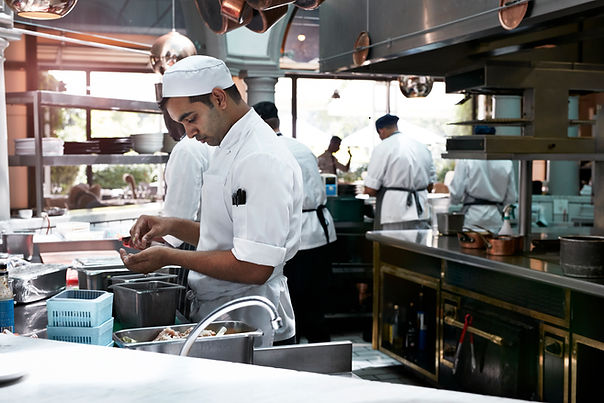
Learn how to start a ghost kitchen from scratch. Follow this step-by-step guide to launch a delivery-only restaurant, build your brand, and grow online sales.
Overview
The food delivery boom has transformed how restaurants operate and it drove the rise of ghost kitchens. Also known as virtual kitchens or delivery-only restaurants, these models eliminate dine-in overhead and focus entirely on preparing food for delivery or pickup.
Whether you’re an entrepreneur entering the food space or a traditional restaurant expanding with a delivery-only concept, this guide walks you through exactly how to start a ghost kitchen, from setup to scaling.
What Is a Ghost Kitchen? (Pros & Cons)
A ghost kitchen is a commercial kitchen optimized for delivery, with no physical dining space. Orders are received online and fulfilled through third-party delivery platforms or direct channels.
Pros:
- Lower overhead (no front-of-house staff or expensive rent)
- Flexible location options
- Easy to test multiple concepts or brands
- Built for delivery demand
Cons:
- High reliance on delivery logistics and tech
- No walk-in traffic or street visibility
- Requires strong digital marketing and customer acquisition
- Competition from similar virtual brands
Ghost kitchens are a powerful way to serve niche markets, run multiple food brands from one kitchen, or expand into new areas with minimal risk.
Steps to Launching a Successful Ghost Kitchen
Here’s how to get started with your ghost kitchen from idea to launch:
1. Research a Concept & Market Need
Identify gaps in your local delivery market. Are there underserved cuisines? Can you offer a unique spin on a trending category (e.g., plant-based burgers, Korean fried chicken, family-sized meals)? Use delivery app data, Google Trends, and local reviews to spot demand.
2. Secure a Commercial Kitchen or Commissary
You can rent a dedicated space, share a kitchen, or join a ghost kitchen facility (like CloudKitchens or Kitchen United). Make sure your space is compliant with health and safety regulations and has sufficient prep, storage, and packaging areas.
3. Build a Delivery-Optimized Menu
Your menu should be designed for travel. Focus on:
- Items that travel well and hold temperature
- Compact packaging and fewer fragile garnishes
- Minimal prep complexity to keep kitchen operations efficient
- Popular delivery categories (bowls, wings, noodles, tacos, burgers, etc.)
4. Choose Your Online Ordering & Delivery Platform
This step is crucial. You can list on marketplaces like DoorDash and Uber Eats, but to maximize profit, you need your own direct ordering channel.
Use a first-party ordering system like Sauce to:
- Accept orders on your own website
- Avoid 15–30% marketplace commissions
- Customize branding and user experience
- Capture customer data for retargeting and loyalty
- Integrate with delivery logistics and driver coordination
Having your own ordering platform gives you control over your ghost kitchen’s growth—something marketplaces won’t offer.
5. Set Up Logistics for Prep, Packaging & Fulfillment
Invest in:
- Durable packaging for delivery
- Efficient labeling and order batching processes
- Driver hand-off protocols and staging zones
If you’re managing your own drivers or zones, use delivery software to route orders and track drop-offs.
Marketing Your Ghost Kitchen for Online Orders
Since ghost kitchens don’t benefit from foot traffic, your brand lives entirely online. That means digital marketing is critical to success.
Strategies to implement:
- SEO for virtual brands: Optimize your site with keywords like “[cuisine] delivery near me” or “[city] late night food”
- Branded social media: Share food content, specials, and customer reviews on Instagram, TikTok, and Facebook
- Google Business Profile: Yes, even ghost kitchens can list with the correct service area
- Loyalty & promo programs: Use Sauce to offer discounts, rewards, or email re-engagement
- Flyers with delivery orders: Promote your direct ordering site with each third-party order
Your mission is to convert third-party delivery traffic into direct customers, boosting margins and long-term brand equity.
1. What is a ghost kitchen and how does it work?
A ghost kitchen is a delivery-only restaurant that operates without a physical storefront. Orders are placed online and prepared in a commercial kitchen for pickup or delivery.
2. How much does it cost to start a ghost kitchen?
Startup costs vary but are typically lower than traditional restaurants. Expect to invest in kitchen rental, equipment, packaging, online ordering software, and marketing.
3. Do I need my own website to run a ghost kitchen?
Yes—especially if you want to avoid third-party fees and build long-term brand loyalty. Platforms like Sauce help you run direct ordering with branded control.
4. Can I run multiple brands out of one ghost kitchen?4. Can I run multiple brands out of one ghost kitchen?
Absolutely. Many operators run multiple virtual brands from the same kitchen by using separate menus and marketing strategies.
5. How do I market a ghost kitchen without a storefront?
Focus on SEO, social media, Google Business Profile, and retargeting tools. Include printed promos in orders and encourage direct reorders through your own site.
Build a Scalable, Digital-First Restaurant
Starting a ghost kitchen isn’t just about cutting costs—it’s about building a focused, flexible, and delivery-optimized business. With the right market research, a smart menu, and a first-party ordering system like Sauce, you can build a brand that thrives in the growing digital food economy.
Whether you’re launching your first food concept or adding a virtual brand to an existing restaurant, this model gives you room to grow—without the risk of traditional real estate and staffing.