
Sauce Blog
Menu Engineering for Restaurants: Strategies to Boost Profitability
May 13, 2025
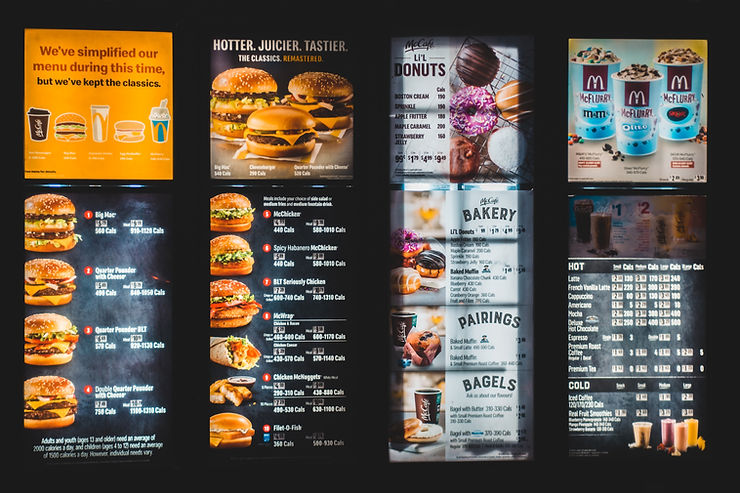
Menu engineering for restaurants: analyze item profit, optimize pricing, and design menus that boost revenue without raising costs.
Overview
Menu engineering helps restaurants drive more revenue by analyzing item performance, optimizing pricing, and guiding customer behavior.
For independent operators and small chains especially, a well-structured menu can increase profits without changing ingredients or raising costs. This guide walks through practical strategies for effective menu engineering for restaurants, whether you offer dine-in, delivery, or both.
What Is Menu Engineering and Why Does It Matter?
Menu engineering is the process of analyzing your menu’s sales data and profit margins to identify which items to promote, re-price, rework, or remove. It blends psychology, design, and operations to influence purchasing decisions.
At its core, menu engineering helps you:
- Increase average ticket size
- Improve profit per order
- Highlight your best-performing dishes
- Phase out low-margin or low-performing items
- Design better menus that nudge customer behavior
Whether your customers order in person or online, a strategically engineered menu improves both UX and profitability.
How to Analyze Menu Performance and Margins
To start engineering your menu, follow these steps:
- Gather Sales & Cost Data For each item, calculate:
- Total sales volume
- Food cost
- Gross profit = Price – Cost
- Categorize Items Into Four Buckets:
- Stars – High profit, high popularity (Promote these!)
- Puzzles – High profit, low popularity (Reposition or rename)
- Plowhorses – Low profit, high popularity (Adjust portion or price)
- Dogs – Low profit, low popularity (Remove or rethink)
- Calculate Menu Mix Understand how often each item is ordered relative to others. This informs layout and promotional decisions.
Use this analysis quarterly—or even monthly if your menu rotates seasonally.
Design Menus to Promote High-Profit Items
Design and layout matter more than you think. Customers scan menus in predictable patterns—so placing the right items in the right spots can dramatically improve your profitability.
Tips:
- Highlight your Stars with callout boxes, icons, or visual separators
- Use descriptive language to make dishes sound more appealing
- Position high-margin items in the upper-right or center of the menu
- Limit total menu items to avoid decision fatigue
- On digital menus, show photos only for items you want to push
If you use Sauce, you can test different menu structures and track performance over time via your dashboard.
1. What is menu engineering in a restaurant context?
Menu engineering is the practice of analyzing sales data and item profitability to strategically design a menu that highlights high-margin dishes and improves overall revenue.
2. How do I know which items to remove or promote on my menu?
3. Can menu design really influence customer choices?
4. How often should I update my restaurant’s menu layout?
5. Does Sauce help with digital menu design or performance tracking?
Smart Menus, Better Margins
Menu engineering isn’t about tricking your customers—it’s about designing a better experience that also benefits your bottom line. By understanding your item performance, applying layout psychology, and optimizing for profit, you can generate more revenue without raising your costs.
Whether you run a single-location diner or a growing fast-casual brand, menu engineering—paired with digital tools like Sauce—can turn your menu into a powerful sales engine.