
Behind the Counter
Plating with Purpose: Sustainable Menu Moves for Earth Month
April 2, 2026
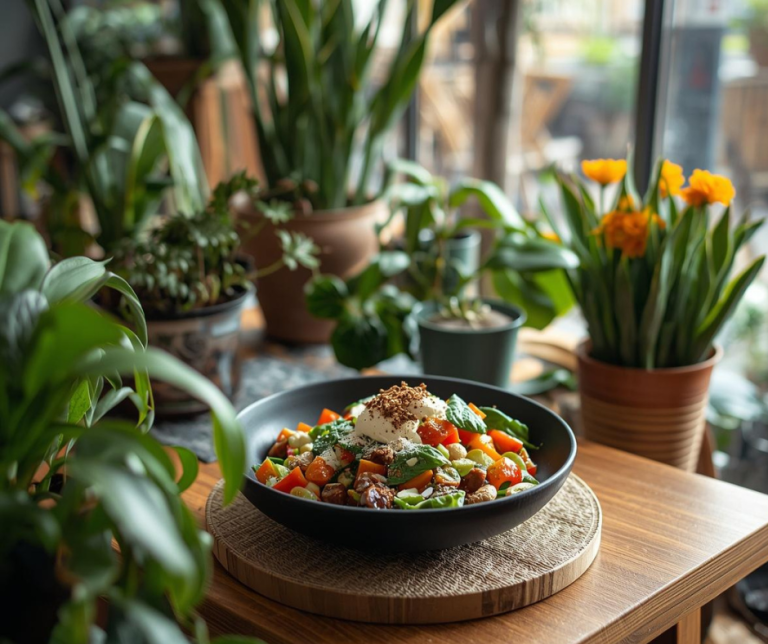
Plating with Purpose: Sustainable Menu Moves for Earth Month Build a sustainable restaurant menu that boosts margins. Earth Month strategies for seasonal sourcing, low-waste cooking, and plant-forward dishes.
Overview
A strong Earth Month menu doesn’t require a full overhaul. It’s about making intentional shifts that reduce waste, improve margins, and align with what customers actually want in 2026.
Stats to Consider
- Food waste is the largest category of material sent to landfills in the U.S., making it one of the biggest opportunities for restaurants to cut costs and reduce environmental impact.Restaurants spend 28–35% of revenue on food costs, meaning even small reductions in waste can significantly improve margins60% of consumers say they are more likely to support businesses with sustainable practices.
- 73% of global consumers say they would change consumption habits to reduce environmental impact.
- Food waste costs the U.S. over $160 billion annually, impacting every level of the supply chain, including restaurants
Those numbers tell a clear story.
Sustainability isn’t just about values. It’s about operations, margins, and long-term viability.
The good news? You don’t need to overhaul your entire kitchen to make an impact. Small, intentional shifts in how you source, build, and position your menu can drive both environmental and financial results.
Here’s where to start.
The 4 Core Focus Areas
1. Seasonal Produce: Fresh, Cost-Efficient, Built for Volume
Seasonal ingredients are one of the easiest wins for both sustainability and profitability.
They are:
- More abundant and less expensive
- Easier to source locally
- More stable for prep and delivery
- Less likely to spoil quickly
For operators, that means better margins and more consistent execution.
How to apply:
- Rotate in-season vegetables into core dishes
- Build limited-time seasonal specials
- Highlight “Seasonal Feature” items on your menu
2. Low-Waste & Surplus Ingredients: Turning Cost Savings Into Strategy
Once you’ve built around seasonal ingredients, the next step is maximizing how far they go.
Low-waste cooking is where sustainability directly improves your bottom line.
- “Ugly” or imperfect produce
- Surplus ingredients
- Trim, scraps, and secondary cuts
- Overripe items repurposed into sauces, soups, or desserts
- Reduces food cost
- Minimizes waste
- Creates built-in storytelling
The Beauty of Ugly Produce
Imperfect fruits and vegetables deliver the same flavor and nutritional value, often at a lower cost.
Call it out directly on your menu. Guests respond to transparency, and they’re far more likely to engage with items that feel intentional.
Menu ideas:
- “Ugly but Delicious” roasted vegetable bowls
- Misshapen tomato sauces
- Overripe fruit smoothies or desserts
This is where sustainability becomes something customers can actually order, not just read about.
👉 For a deeper dive, read: Food for Thought: The Beauty of ‘Ugly’ Produce
3. Plant-Forward Dishes: Aligning With How Customers Eat Now
Now that your ingredients and waste strategy are dialed in, shift toward how dishes are composed.
Healthy eating in 2026 isn’t about restriction. It’s about balance, transparency, and ingredient quality.
- High-protein options
- Fiber-rich, nutrient-dense meals
- Clean, minimally processed ingredients
- Dishes that feel indulgent and intentional
This is less about removing meat and more about rebalancing the plate.
- Build bowls, plates, and sides around grains, legumes, and vegetables
- Use language that sells the benefit, not the restriction
- Position items as craveable, not “healthy”
Same dish, completely different perception.
4. Sustainable Proteins: Smarter Sourcing, Stronger Margins
Finally, round out your menu with protein strategies that support both cost control and flexibility.
Sustainable proteins don’t mean eliminating meat. They mean using it more intentionally.
- Chicken, turkey, and eggs
- Legumes and plant-based proteins
- Smaller portions of higher-quality meat
- Flavorful, lower-cost cuts
- Controls food costs
- Increases versatility across dishes
- Supports plant-forward menu builds
- Use meat as a complement, not always the centerpiece
- Cross-utilize proteins across multiple menu items
- Highlight sourcing when possible
Menu Optimization: Make It Easy to Order
Your menu copy matters just as much as your ingredients.
A sustainable menu only works if customers understand it, trust it, and want to order from it.
Focus on:
- Keeping descriptions short but vivid
- Using sensory language like crisp, roasted, zesty, and slow-braised
- Clearly labeling dietary preferences (vegan, gluten-free, high-protein)
- Highlighting top items with tags like “Customer Favorite” or “Seasonal Feature”
- Adding transparency around sourcing when possible
And don’t underestimate visuals.
Customers remember only a small percentage of what they read, but that number increases significantly when images are involved. Strong photography doesn’t just support your menu, it drives orders.
Avoid Greenwashing: Build Trust, Not Just Messaging
As sustainability becomes more important to consumers, so does transparency.
Today’s diners are paying attention, and they can spot vague or misleading claims quickly. Overstating your efforts or using buzzwords without backing them up can damage trust and turn customers away.
Greenwashing doesn’t just hurt your brand reputation. It undermines the real work you’re doing behind the scenes.
What to Avoid
- Vague terms like “eco-friendly” or “all-natural” without explanation
- Highlighting one sustainable ingredient while ignoring the rest of the process
- Making claims that aren’t consistent across your menu or operations
- Overpromising impact without clear proof
How to Do It Right
- Be specific about what you’re doing: → “Seasonal produce sourced locally when available.”→ “Made with surplus ingredients to reduce food waste.”
- Let your menu tell the story: Call out seasonal items, plant-forward dishes, or low-waste features directly in descriptions
- Keep it simple and honest: You don’t need to be perfect. Customers appreciate progress over perfection.
- Train your staffMake sure your team can confidently explain your menu and sustainability efforts.
Why It Matters
Sustainability builds value only when customers believe it.
When done right, it:
- Strengthens customer trust
- Increases brand loyalty
- Supports repeat business
- Positions your restaurant as thoughtful and intentional
Because at the end of the day, sustainability isn’t just about what you do.
It’s about what your customers understand.
Kitchen Execution: Flavor Without Compromise
Once your ingredients and menu structure are in place, execution becomes the differentiator.
Healthy and sustainable doesn’t mean boring. In fact, it often leads to more dynamic, ingredient-driven food.
Focus on:
- Grilling, roasting, and steaming instead of frying
- Herbs, citrus, and spices instead of heavy sauces
- Global influences like Mediterranean and Asian cuisines
Think:
- Marinated proteins
- Caramelized vegetables
- Fermented add-ons like kimchi or pickled vegetables
The goal is simple: make it taste good enough that no one is ordering it because it’s healthy. They’re ordering it because they want it.
Activation Ideas: Turn Earth Month Into a Revenue Driver
This is where many restaurants miss the opportunity.
They create a sustainable menu and stop there.
Earth Month works best when it’s visible, dynamic, and interactive.
Try this:
- Weekly rotating Earth Month specials
- Limited-time plant-forward features
- “Ugly Produce” callouts on menus
- Bundled healthy meal deals for delivery
- Staff picks or chef features tied to sustainability
These small shifts create urgency, keep your menu fresh, and give customers a reason to come back throughout the month.
Train Your Team
Your staff is your frontline marketing team.
If they don’t understand the menu, your customers won’t either.
Make sure your team can:
- Explain ingredients and sourcing
- Recommend dishes based on preferences
- Talk confidently about health and sustainability benefits
Then close the loop.
Use QR codes, feedback prompts, or direct conversations to gather insights and refine your menu in real time.
Takeaway
Earth Month isn’t about doing more. It’s about doing smarter.
When you align your menu with seasonal sourcing, low-waste ingredients, and evolving customer preferences, you’re not just supporting the planet, you’re strengthening your business.
Because the best Earth Month strategies don’t end in April.
They become part of how your restaurant operates year-round.
Read about more Earth Month ideas in our blog post, Rooted in Responsibility: A 4-Part Earth Month Series for Restaurants.
Eileen Strauss
Blog Writer, Secret Sauce