
Delivery
Less Margin for Error: How Rising Food Costs Are Exposing Restaurant Mistakes
May 16, 2026
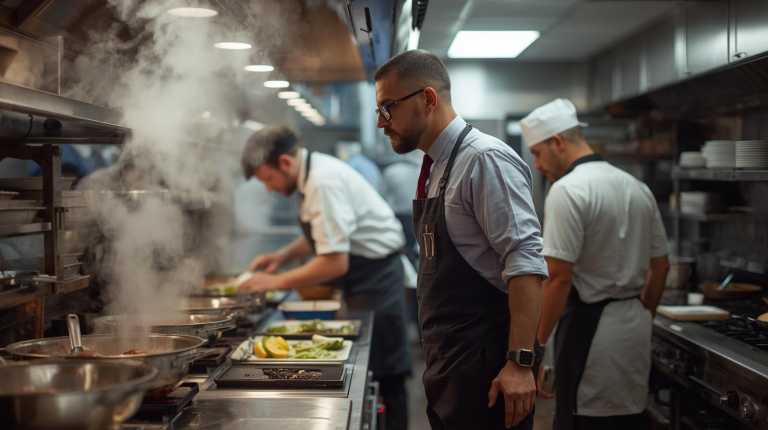
Inflation makes waste, oversized menus, poor packaging, and inconsistent portions more expensive for already-tight restaurant margins.
Overview
For years, many inefficiencies in restaurants were survivable. Over-ordering, excess inventory, oversized portions, packaging waste, and slow-moving menu items were often viewed as manageable operational costs rather than major financial threats.
But today’s restaurant environment looks very different.
Persistent food inflation, labor pressure, supplier inconsistency, and volatile ingredient pricing have made even small operational mistakes far more expensive. Restaurants are no longer just paying more for ingredients. They’re paying more for every inefficiency they leave behind.
As inflation rises and margins tighten, operators are being forced to rethink profitability from the ground up with far less room for error.
Food Costs Continue to Climb
Restaurants can only raise menu prices so much before customers begin pushing back. As inflation continues to pressure both operators and consumers, many restaurants are realizing that profitability can no longer rely solely on passing rising costs onto guests.
Instead, the focus is shifting inward.
Savvy operators are taking a closer look at the systems behind the scenes: tighter inventory management, streamlined menus, improved ingredient turnover, smarter purchasing decisions, and reducing waste wherever possible.
In today’s environment, operational discipline is becoming just as important as the food itself. The goal is no longer simply driving more volume. It’s operating more efficiently in an industry with far less room for error.
Stats to Consider
- U.S. beef prices were nearly 20% higher in early 2026 compared to 2025.
- Ground beef prices have surged by 15–16% year over year. The USDA projects beef and veal prices could rise another 6–10% throughout 2026. Burger menu prices have increased 14% over the past two years. Restaurant food prices are increasing faster than grocery prices, with off-premise food prices up nearly 4% year over year.
- Ground beef prices have surged by 15–16% year over year.
- The USDA projects beef and veal prices could rise another 6–10% throughout 2026.
- Burger menu prices have increased 14% over the past two years.
- Restaurant food prices are increasing faster than grocery prices, with off-premise food prices up nearly 4% year over year.
Larger Menus, Hidden Problems
For years, expansive menus were often viewed as a competitive advantage. More options meant broader appeal and more opportunities to satisfy different customer preferences.
But large menus also come with hidden operational costs that become much harder to justify when ingredient prices remain elevated.
Every additional menu item introduces more SKUs, additional prep complexity, increased storage demands, and more opportunities for spoilage and waste. Low-moving ingredients become especially problematic because products that sit too long in cold storage quietly drain profitability through expiration, inconsistent turnover, and unnecessary purchasing.
Large menus may create more choices, but they also create more opportunities for waste.
As margins tighten, many operators are realizing that operational simplicity often creates stronger long-term profitability than excessive variety.
Strategic Steps: Trim underperforming items and focus on menus that create stronger ingredient turnover and operational consistency.
Delivery Mistakes Getting More Expensive
Off-premise dining has created major revenue opportunities for restaurants, but it has also introduced additional operational risks.
Incorrect orders, poor packaging, missing items, and food quality issues during transit all carry higher financial consequences when ingredients cost more to replace.
Every remake now comes attached to higher ingredient costs, additional labor, packaging waste, refunds or credits, and potential customer loss.
Delivery mistakes no longer represent minor inconveniences. In today’s environment, they directly impact margins.
Packaging also plays a much larger role than many operators realize. Food that arrives soggy, spilled, or poorly insulated often results in wasted ingredients and failed customer experiences, even if the kitchen execution itself was strong.
As delivery continues growing, operational consistency behind the scenes becomes increasingly tied to profitability.
Strategic Steps: Treat delivery accuracy as a profitability strategy, investing in better packaging, tighter quality control, and fewer high-failure menu items.
Volatility Breaking Traditional Planning
The challenge facing restaurants today is not just higher prices. It’s the inability to predict them consistently.
Produce costs fluctuate week to week, protein prices shift unexpectedly, and supplier availability can change with little warning. In some cases, ingredient quality may also vary depending on sourcing pressures and seasonal shortages.
That unpredictability makes long-term planning far more difficult than it once was. Restaurants now face tighter planning windows, constant pricing adjustments, increased pressure on inventory forecasting, and far smaller margins for operational error.
Menus built around highly volatile ingredients may suddenly become far less profitable than expected, forcing operators to adapt more quickly and strategically than ever before.
For many restaurants, flexibility is becoming just as important as consistency.
Strategic Steps: Shorten purchasing cycles, build flexible specials, and simplify inventory to adapt faster to pricing swings and supplier inconsistency.
Portion Creep Quietly Impacting Margins
Some of the most expensive restaurant mistakes are not dramatic. They happen quietly throughout daily operations.
An extra ounce of protein, inconsistent scoop sizes, over-poured sauces, or delivery portions packed differently depending on the shift may seem minor individually. Repeated hundreds of times across weeks and months, however, those inconsistencies can significantly impact food cost percentages and overall profitability.
Training gaps also become more expensive in high-cost environments. Without clear portioning systems and operational consistency, restaurants may unintentionally overserve while still struggling to maintain customer satisfaction.
As ingredient costs continue rising, precision matters more than ever.
Strategic steps: Tighten portion controls through standardized builds, measured scoops, recipe systems, and better kitchen training.
Cross-Utilization Survival Strategy
One of the most important operational shifts happening across restaurants right now is the move toward smarter ingredient cross-utilization.
Instead of carrying highly specialized ingredients for individual dishes, many operators are simplifying inventory by using ingredients across multiple menu items and dayparts.
That may include proteins used in several dishes, sauces repurposed across categories, shared prep components, seasonal specials designed around existing inventory, and flexible ingredients that reduce spoilage risk.
This approach helps restaurants reduce dead inventory, improve purchasing efficiency, simplify prep, increase ingredient turnover, and adapt more easily to supplier fluctuations.
Cross-utilization is no longer just an operational optimization strategy. For many restaurants, it’s becoming essential for protecting margins in a volatile food-cost environment.
Strategic Steps: Design menus around ingredients that can move across multiple dishes, dayparts, and limited-time offers to reduce waste and improve purchasing efficiency.
Take Away
In today’s volatile restaurant environment, profitability is no longer tied to doing more. It’s increasingly tied to operating more efficiently.
That shift is pushing restaurants to prioritize tighter menus, smarter inventory systems, streamlined prep, more disciplined purchasing, operational consistency, and profitability over sheer volume.
As food costs continue to rise, operational efficiency is becoming just as important as the food itself, leaving restaurants with less margin for error.
Blog Writer