Seattle has long been one of America’s most delivery-friendly cities. A combination of remote work, dense urban living, technology adoption, and a culture that embraces convenience has helped make off-premise dining part of everyday life for many residents.
Now, as the FIFA World Cup 2026 approaches, Seattle’s delivery ecosystem may be well positioned to benefit even further. With matches at Lumen Field, fan gatherings throughout the region, and visitors arriving from around the world, restaurants may find themselves serving customers both in the midst of the action and far beyond it.
While every host city will experience increased activity during the tournament, Seattle’s unique mix of lifestyle, geography, and soccer culture may make it one of the most delivery-dependent markets in the country.
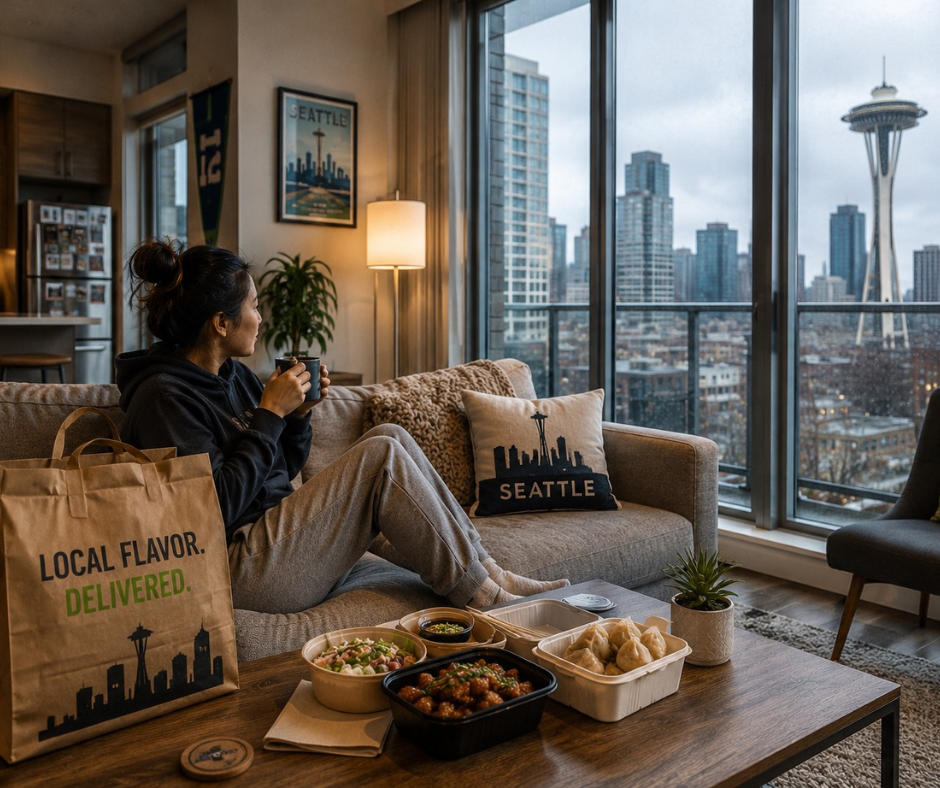
Why Seattle’s Delivery Culture Runs Deep
1. A Work-From-Home Culture That Changed Dining Habits
Seattle helped pioneer the modern remote-work economy. Long before hybrid work became commonplace, the region’s technology sector had already established a workforce comfortable with digital-first lifestyles and flexible work arrangements. Today, thousands of employees split their time between home offices, corporate campuses, coworking spaces, and neighborhood coffee shops.
That shift has fundamentally changed when and how people order food. Delivery is no longer concentrated around traditional dinner hours. Lunch deliveries, mid-afternoon pick-me-ups, team meeting orders, and workday convenience purchases have become part of the daily routine for many Seattle residents.
What this means for restaurants:
Restaurants may benefit from thinking beyond the traditional lunch and dinner rush. Remote workers often create opportunities throughout the day, making strong online ordering, efficient delivery operations, and workday-friendly menu offerings increasingly important.
2. Apartment Living Creates Natural Delivery Demand
Seattle’s urban core is filled with densely populated neighborhoods where apartment and condo living are the norm. Areas such as Capitol Hill, Belltown, South Lake Union, and First Hill place thousands of residents within a relatively compact geographic footprint.
This density creates ideal conditions for delivery. Customers enjoy quick access to a wide variety of restaurants, while shorter travel distances can improve delivery efficiency and order frequency. For many residents, delivery has become an extension of everyday urban living.
As World Cup visitors arrive, many will also stay in hotels, short-term rentals, and temporary accommodations throughout these same neighborhoods, further increasing demand for convenient dining options.
What this means for restaurants:
Dense residential areas can create highly efficient delivery zones. Restaurants that optimize their delivery radius, online visibility, and direct ordering experience may be well-positioned to capture both local residents and visiting fans.
3. Weather Encourages Staying In
Seattle’s rainy reputation has become part of the city’s identity. While locals don’t let weather stop them from enjoying the city, frequent rain, cool temperatures, and cloudy days naturally create occasions when staying home feels more appealing than going out.
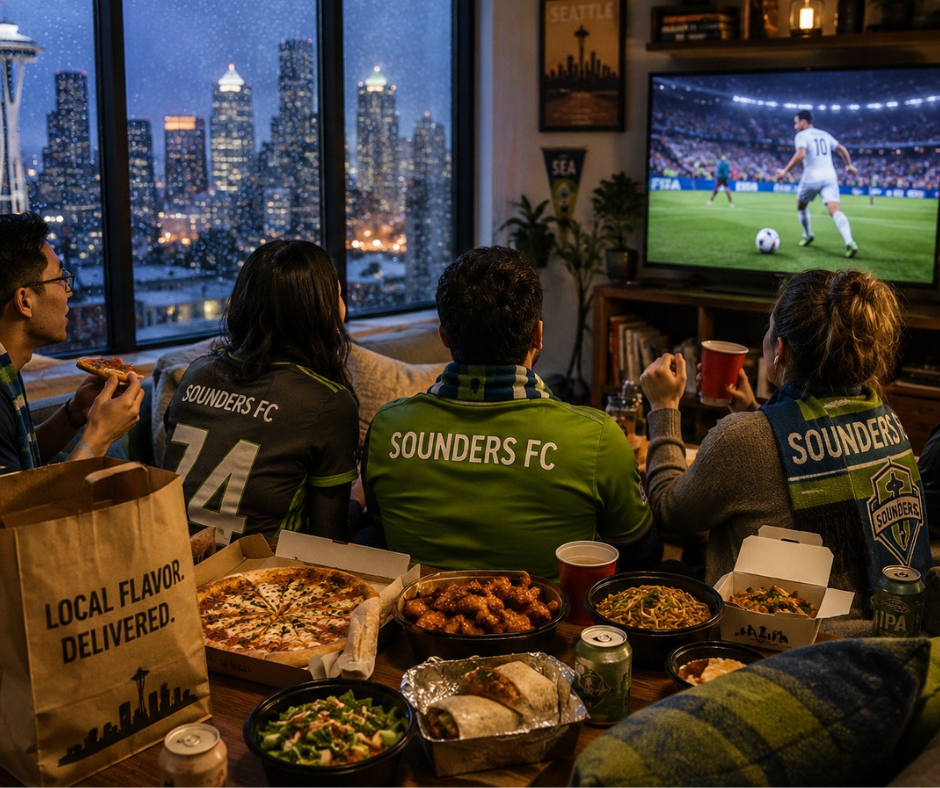
This dynamic becomes even more pronounced during major sporting events. Watching a match from the comfort of home often pairs naturally with delivery, whether it’s a solo meal, a family dinner, or a larger gathering of friends.
During the World Cup, thousands of residents may choose to avoid traffic, crowds, and parking challenges by hosting viewing parties at home instead.
What this means for restaurants:
Major match days may create opportunities not only around stadium activity but also throughout residential neighborhoods. Group meals, shareable menu items, family bundles, and advance ordering promotions can align well with at-home viewing occasions.
4. A Convenience-First Tech Culture
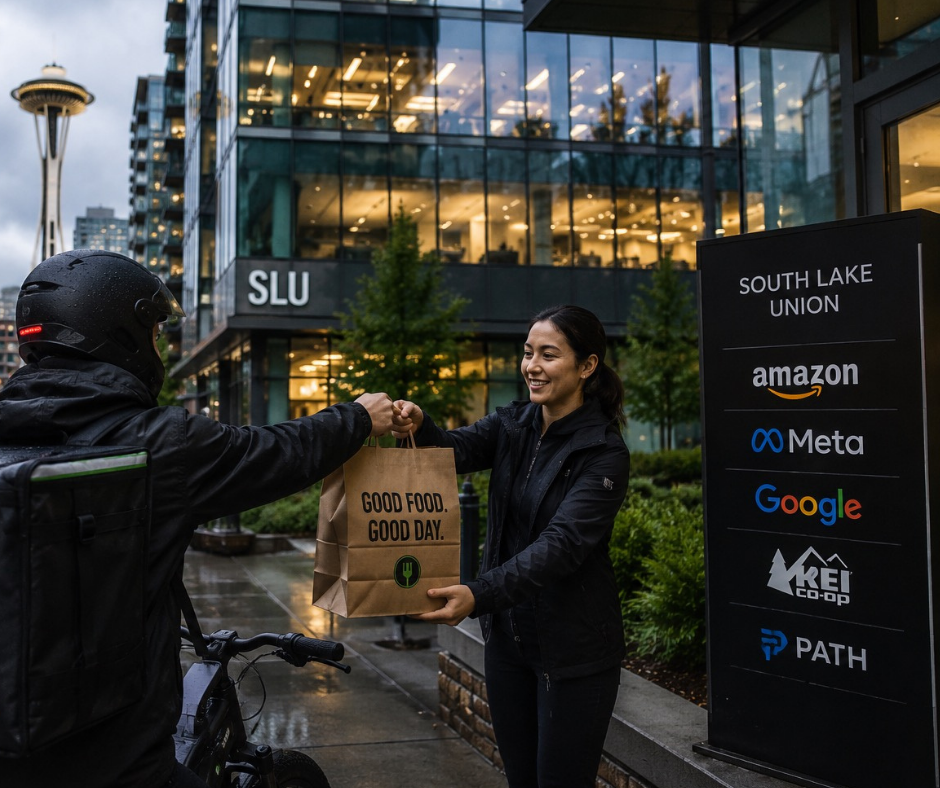
Seattle is one of the most digitally connected cities in the country. Residents routinely use technology to manage transportation, shopping, entertainment, communication, and daily errands. Ordering food online fits naturally into a lifestyle already built around convenience and digital access.
Over time, this has helped normalize delivery as a regular purchasing behavior rather than an occasional treat. For many consumers, ordering food online is simply another efficient way to manage a busy day.
The result is a customer base that is comfortable navigating restaurant websites, mobile ordering platforms, loyalty programs, and digital promotions.
What this means for restaurants:
Digital convenience matters. Restaurants that offer streamlined ordering, mobile-friendly experiences, clear delivery options, and strong online visibility may have an advantage in a market where consumers expect convenience at every step of the transaction.
5. Soccer Culture Runs Deep
Few American cities have embraced soccer as enthusiastically as Seattle. The city’s passionate fan base has helped establish it as one of the strongest soccer markets in the United States, with Seattle Sounders FC supporters consistently creating some of the sport’s most energetic atmospheres.
As a FIFA World Cup 2026 host city, Seattle will welcome fans from around the world to Lumen Field. But the delivery opportunity extends well beyond the stadium itself.
World Cup matches create viewing occasions throughout the city. Friends gather in apartments, families host watch parties, coworkers stream matches from offices, and fans fill breweries, bars, and community gathering spaces. Every match becomes a reason to order food, regardless of where the game is being played.
For restaurants, some of the biggest opportunities may come from customers who never attend a match in person.
What This Means for Restaurants
The World Cup has the potential to create dozens of delivery-driven occasions throughout the tournament. Restaurants can prepare by promoting game-day specials, watch-party bundles, catering packages, family meals, and advance ordering options designed specifically for soccer fans gathering at home.
One match, however, may stand above the rest.
Seattle’s World Cup Match Schedule
While every World Cup match has the potential to drive watch-party ordering, June 19 could be particularly important for Seattle restaurants. That’s when Team USA takes the field against Australia at Seattle Stadium (Lumen Field), creating one of the tournament’s biggest opportunities for local restaurants to capture both in-stadium and at-home demand.
Match Schedule

Takeaway
Seattle’s combination of remote work, apartment density, weather patterns, technology adoption, and passionate soccer culture creates a unique environment where delivery is already part of everyday life. As FIFA World Cup 2026 brings matches, visitors, and watch parties to the region, restaurants may have an opportunity to capitalize on demand that extends far beyond the stadium itself.
For operators, the opportunity isn’t limited to fans attending matches. It may come from residents hosting watch parties at home, visitors staying in hotels and vacation rentals, remote workers ordering throughout the day, and soccer fans gathering across the city to follow the tournament.
In a city already built around convenience, the World Cup could amplify behaviors that are already driving delivery demand.