Every Friday, a loyal customer ordered lunch for his entire office from his favorite restaurant to show appreciation for his staff. He loved the spot because the order was always right on time, and his office ran on a tight schedule.
Then, on a rainy afternoon, the order arrived late. Very late. The bread was soggy. The sandwiches were messy. The reason did not matter. All he knew was that lunch break was over, and most of his staff had already returned to their desks.
Here is the scary part.
He didn’t call.
He didn’t leave a review.
He didn’t send a message.
He simply never ordered again.
This is the worst kind of negative experience. The silent one.
Research shows that most unhappy customers never complain. They simply stop ordering from your restaurant. And assuming that the absence of negative feedback means all is well, but when it comes to restaurant customers, silence may not be golden.
Most restaurants prepare for the angry customer. Few build systems for the silent one. In a competitive ordering environment where switching takes seconds, the quiet loss is often the most expensive one.
Winning back customers is not about reacting to complaints. It is about building recovery into your operation so one bad experience does not become a permanent exit.
Here is how to turn complaint moments and silent drop-offs into comeback opportunities.
The Reality: Every Restaurant Has a Bad Day
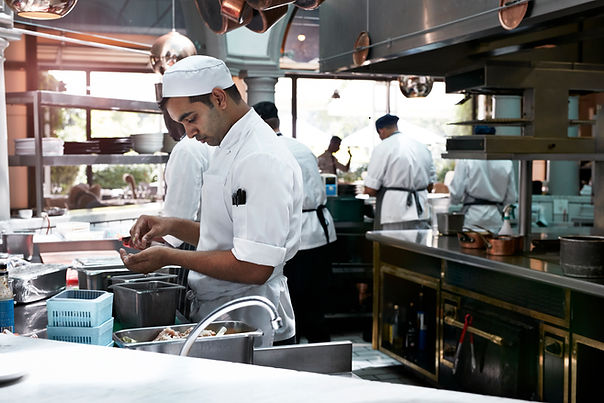
Even the most well-run restaurants experience order mistakes, delayed deliveries, tech hiccups, and peak-hour bottlenecks. In 2026, customers expect speed, accuracy, and transparency. The difference between a lost customer and a loyal one is not perfection. It’s action.
Every operator will face negative feedback. The competitive advantage comes from ownership. When you control the customer relationship, you control the recovery. And when you control the recovery, you protect future revenue. In today’s ordering environment, that control is not optional. It is the difference between a one-time mistake and long-term loyalty.

Negative Experiences as Opportunity Moments
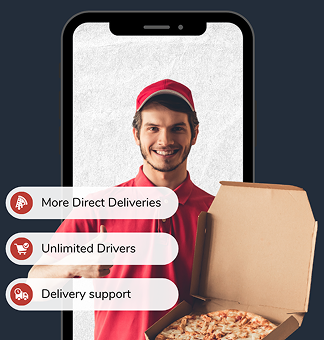
It may not feel like it in the moment, but a complaint is not the threat. Silence is.
When a customer reaches out, they are signaling something important. They still care. They still want the relationship to work. Most unhappy guests never say anything. They simply disappear. A complaint is an invitation to fix the problem.
Service recovery, when handled well, can actually increase loyalty. Studies consistently show that customers who experience a problem that is resolved quickly and professionally often become more loyal than those who never had an issue at all. The recovery becomes the story. Instead of remembering the mistake, they remember how you handled it.
That means recovery cannot be accidental. It has to be built into your operation.
Here’s how:

Step One: When Customers Speak Up, Respond Fast and Personally
Not every unhappy customer will tell you what went wrong.
But when they do, your response determines whether the relationship survives.
Let’s imagine Mark had called about that late Friday office order.
Within an hour, he receives:
“Hi Mark, I’m so sorry your Friday order arrived late today. That’s not the standard we hold ourselves to, especially for an office order on a tight schedule. I understand how disruptive that must have been.”
That alone changes the temperature.
Speed signals respect.
When possible, respond the same day. Acknowledge the issue clearly and directly. Avoid generic responses that feel copied and pasted. Let the customer know you understand exactly what went wrong and why it mattered.
Equally important is tone. Do not lead with explanations. Lead with ownership. The customer does not want to hear about traffic or staffing before they hear that you recognize the experience fell short.
Keep it simple:
-
“Thank you for letting us know. That is not the experience we want you to have.”
-
“We appreciate you reaching out so we can make this right.”
-
“I understand how frustrating that must have been.”
A fast, human response can diffuse frustration before it becomes a lost customer.

Step Two: Build a Recovery System, Not Random Apologies
For the customer who does not raise their hand, resolution should not be improvised. It should be operationalized.
If Mark had reached out, the next step matters just as much as the apology.
“Mark, we’d like to refund today’s order and credit your account for next Friday’s lunch. We value your weekly business and want to earn it back.”
That is intentional recovery.
Not every issue requires the same response. A missing side is different from a completely incorrect order. A first-time mistake is different from a repeat issue. A loyal weekly catering customer deserves a different level of recovery than a one-time guest.
The goal is not to overcorrect. The goal is to correct appropriately.
That may mean:
-
Replacing the meal immediately
-
Issuing a refund
-
Offering account credit for direct ordering customers
-
Sending a bounce-back offer tied to a future visit
When your team understands how to handle different scenarios, recovery becomes controlled rather than reactive.
Customer recovery is not about generosity. It is about retention.

Step Three: Reach Out Before Silence Becomes Permanent
But here is the harder truth.
In our story, Mark never complained.
He didn’t call.
He didn’t leave a review.
He didn’t send an email.
He just stopped ordering.
So how could the restaurant have saved him?
They would have needed to notice the change.
If a customer orders every Friday for six months and suddenly disappears, that is not random. That is a break in pattern.
And patterns are visible, especially when customers order directly.
Instead of waiting for complaints, operators can monitor:
-
Frequency drops
-
Large catering customers who suddenly go quiet
-
Regular weekly orders that stop
-
Customers who have not returned within their normal cycle
Once you identify the gap, you can reach out.
Not with a hard sell. With concern.
“Hi Mark, we noticed we haven’t seen your Friday order in a few weeks and just wanted to check in. We value your business and hope everything is going well. If we ever miss the mark, we’d love the chance to make it right.”
That message reopens the door.
Not all customers will respond. But some will.
And even a small percentage recovered can represent significant recurring revenue, especially for high-frequency or office orders.
The silent customer is not unreachable. They are just unprompted.
Why Direct Ordering Makes Recovery Easier
Customer ownership changes everything.
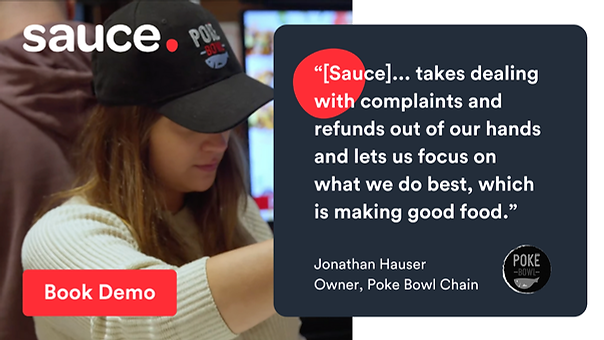
When orders flow through your direct channels, you have access to contact information and order history. You are not relying on a third party to relay messages. You can respond directly, quickly, and personally.
Direct ordering also gives you visibility. You can identify patterns. You can monitor repeat complaints. You can use order data to spot operational gaps before they grow.
Most importantly, you can build smarter bounce-back strategies. Targeted credits, limited-time return incentives, and automated follow-up campaigns become possible when you control the relationship.
Recovery is not just about solving a problem. It is about protecting future revenue.
A true delivery-first restaurant experience is built on visibility, responsiveness, and follow-through. When restaurants can monitor orders in real time, resolve issues quickly, and stay connected with guests after delivery, service becomes proactive instead of reactive.
The result isn’t just smoother delivery — it’s stronger trust, higher retention, and a customer experience that keeps guests coming back.

Turn Feedback Into Wins
Complaints are not just customer frustration. They are operational data.
If packaging consistently fails during rainy weather, that is not bad luck. It is insight. If certain menu items do not travel well during peak hours, that is a pattern. If late deliveries spike on specific days, that signals a bottleneck.
Strong operators treat feedback as a diagnostic tool.
Adjust prep timing where needed. Simplify high-risk menu items during rush windows. Train staff to complete quality checks before dispatch. Communicate improvements to customers so they see that changes are being made.
When feedback drives operational refinement, mistakes become momentum.
Build a Proactive Reputation Strategy
Invite happy customers to review you.
How you respond publicly matters just as much as how you resolve issues privately.
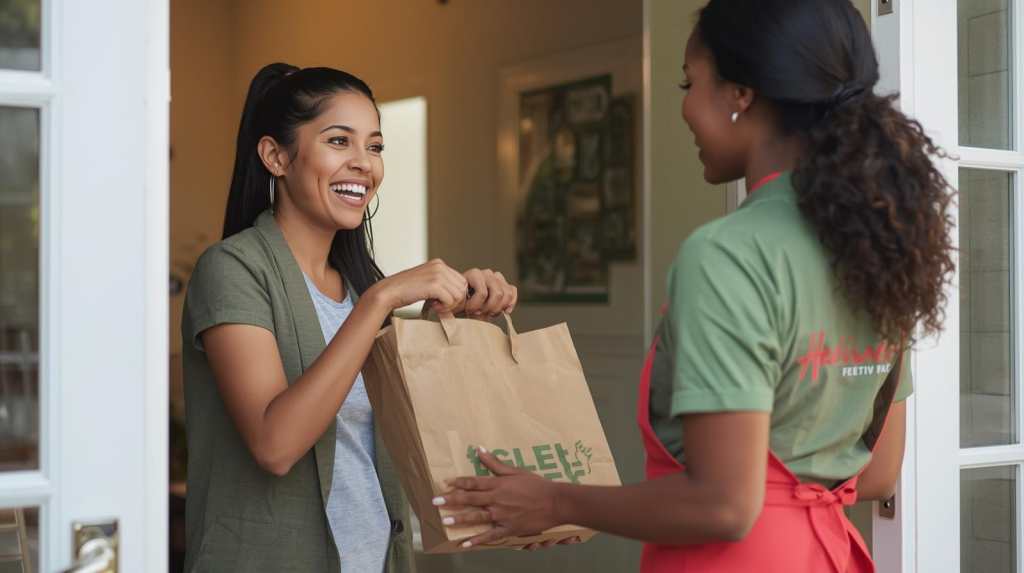
Encourage satisfied guests to leave reviews. Ask for feedback after positive experiences. Make it easy for loyal customers to share their thoughts.
Highlight improvements publicly. If you upgrade packaging or adjust menu items for better delivery performance, tell people. Social posts, email updates, and in-app messaging reinforce transparency and professionalism.
Stay visible across your direct channels, whether through email, SMS, app notifications, or platforms like Apple Maps. The more consistently you engage your audience, the less likely a single negative moment define the relationship.
For a deeper dive into best practices, read our related article, Turning Criticism into Credibility: Managing Negative Yelp Reviews in 2026, where we outline how to respond quickly, avoid defensive language, and turn public criticism into a credibility boost.

Take Away
Mark did not complain.
He did not leave a review.
He did not ask for a refund.
He simply stopped ordering.
In today’s competitive environment, that is how most customers leave. Quietly.
Winning back customers is not about reacting to noise. It is about building systems that respond when people speak up and detect when they do not.
Respond fast.
Recover with intention.
Monitor the silence.
Because the difference between a temporary mistake and a permanent loss is rarely the error itself. It is what happens next.
Sauce helps operators stay ahead of both visible complaints and silent drop-offs, with real-time order monitoring, proactive issue resolution, and post-delivery follow-up that protects recurring revenue before it disappears.
In a competitive market where switching takes seconds, customer ownership is not optional. It is the difference between a one-time mistake and long-term growth.
Silence tells a story of its own. In our upcoming post on customer ghosting, we will explore why customers vanish and how restaurants can bring them back.

Frequently Asked Questions
1. Why do customers stop ordering without complaining?
Most unhappy customers never voice their frustration. Instead of calling or leaving a review, they quietly switch to another restaurant. Convenience makes it easy to move on, especially in a competitive online ordering environment. Silence often signals lost revenue that compounds over time.
2. How can restaurants win back customers after a bad experience?
Start with speed and ownership. Respond quickly, acknowledge the issue clearly, and make it right in a way that fits the situation. Whether it is a refund, replacement, or bounce-back credit, recovery should feel intentional, not reactive. A strong service recovery process can actually increase long-term loyalty.
3. What is service recovery in restaurants?
Service recovery refers to the structured process of addressing mistakes, resolving complaints, and restoring customer trust. This includes responding personally, offering appropriate solutions, tracking patterns, and improving operations to prevent repeat issues. Done well, it turns negative moments into loyalty-building opportunities.
4. How does direct ordering help with customer retention?
Direct ordering gives restaurants access to customer contact information and order history, making follow-up faster and more personal. It allows operators to issue targeted credits, send bounce-back offers, and monitor trends. When you own the customer relationship, you control the recovery and protect future revenue.
5. How can restaurants prevent silent customer loss?
Build proactive systems. Encourage feedback before frustration builds. Follow up after large or repeat orders. Monitor order frequency for sudden drop-offs. Strengthen packaging and quality control. Most importantly, create a culture where recovery is built into operations so one mistake does not become a permanent exit.

By: Eileen Strauss