Part 2: Earth Month Series
Earth Day used to be a single promotion, a quick nod to sustainability, and a moment to respect the planet.
Today, it’s operational.
As off-premise dining continues to dominate, packaging has become one of the most visible and impactful parts of your business. It affects food quality, brand perception, costs, and customer trust.
During Earth Month, that spotlight intensifies.
For restaurants, packaging is no longer just a container. It’s a decision point. One that can either add waste and cost, or create efficiency, loyalty, and long-term value.
Stats to Consider
- Food packaging is the source of 40% of the planet’s plastic waste.
- Delivery and takeout now account for over 60% of restaurant traffic for many operators, increasing reliance on disposable packaging.
- Online food delivery is projected to reach $1.4 trillion globally by 2027, driving massive growth in single-use packaging.
- The U.S. generates over 82 million tons of packaging waste annually.
- 60% of consumers say sustainability influences where they order.
- Restaurants can reduce packaging costs by 10–20% through right-sizing and sourcing.
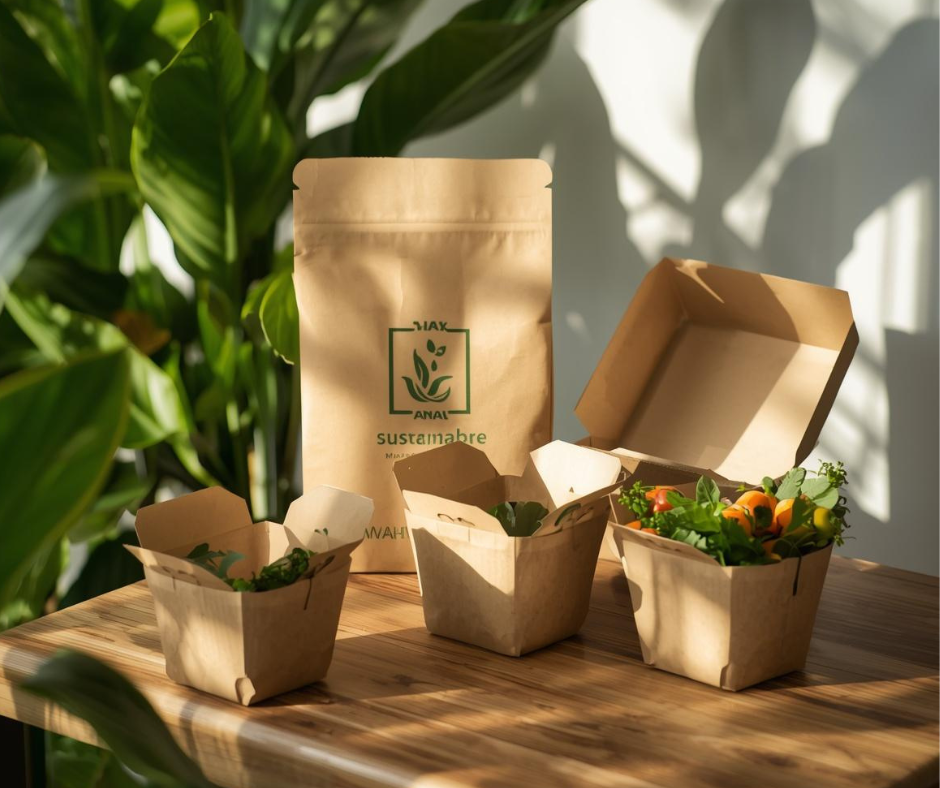
Why Packaging Is the Place to Start
Unlike other sustainability moves, packaging is immediate.
It shows up in every order, at every customer touchpoint, and in every delivery experience.
That makes it one of the fastest ways to reduce waste at scale, improve margins, signal brand values, and meet rising customer expectations.
Packaging isn’t just operational. It’s strategic.
The New Packaging Standard in 2026
The best packaging today balances durability, sustainability, and cost control. The goal isn’t perfection; it’s performance. Customers want specifics, not buzzwords. They want to know: what it is made of, whether it can be recycled or composted, and whether it is intentional or excessive.
At the same time, operators are asking whether it will hold up in delivery, whether it preserves quality, and whether it makes financial sense.

Packaging That Works Harder
1. Compostable Packaging That Performs
- Sugarcane (bagasse) containers
- Molded fiber vented lids
- Bamboo-based builds
Why it works: Holds heat, reduces moisture issues, and clearly signals sustainability.
2. Recycled and Recyclable with Intent
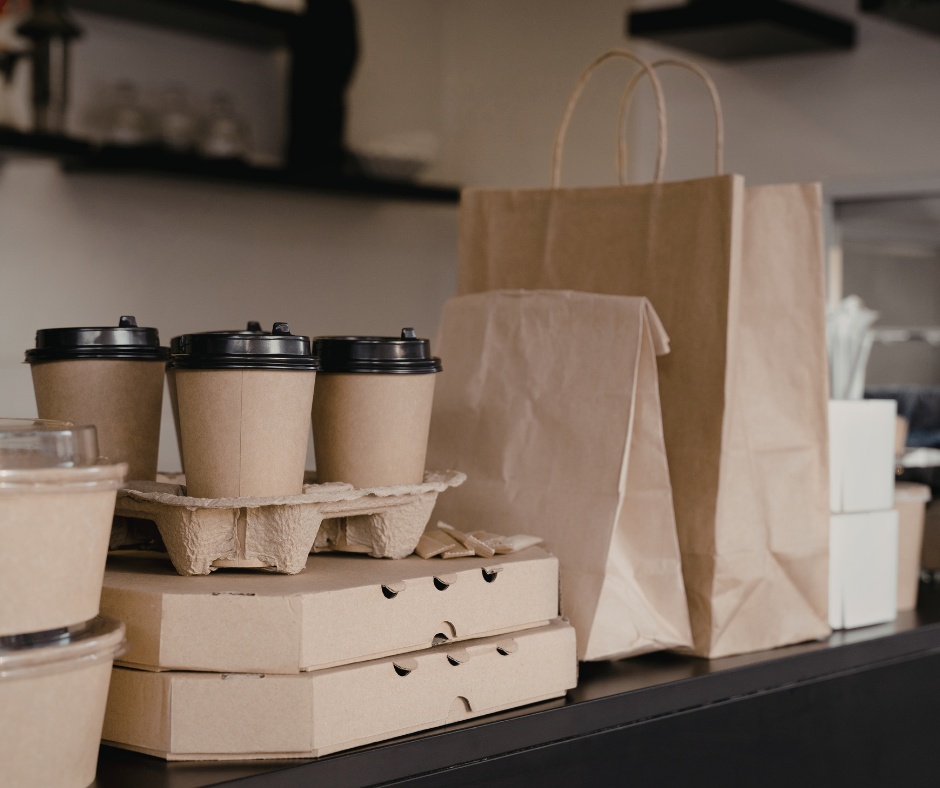
- Kraft containers and bags
- Aluminum trays
- Clear PET lids (where accepted)
Watch out for mixed materials and “recyclable” claims that don’t match local systems.
3. Right-Sizing to Cut Waste and Cost
Common issues include oversized containers, unnecessary wraps and inserts, and double packaging.
This impacts food cost, waste, and customer experience.
4. Reusable Systems
Returnable containers, deposit systems, and reusable beverage programs are best for high-frequency customers and controlled environments.
Think long-term savings, not just upfront costs.
Avoid Greenwashing
In a world where transparency builds trust faster than perfection, customers are paying attention.
What to avoid:
- Vague claims like “eco-friendly.”
- Highlighting one green element while ignoring the rest.
- Overstating impact.
What works instead:
- Being specific
- Being honest
- Keeping it simple
Beyond Packaging: 3 Ways to Go Further
Packaging is the entry point. Not the whole strategy.
Operators seeing the biggest gains are reducing waste across the entire system:
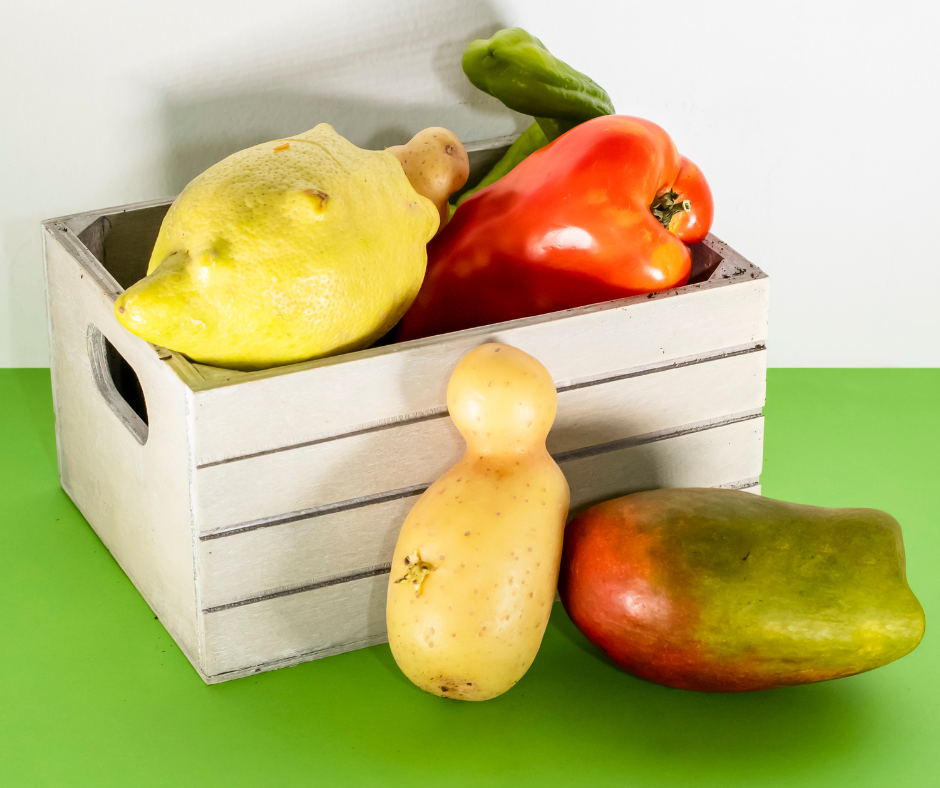
1. Use imperfect or “ugly” produce to reduce waste and costs.
2. Tighten food waste systems across your kitchen.
3. Build a restaurant recycling program that actually works.
Simple systems, clear signage, trained staff
Where Packaging Fits In
Packaging is the most visible place to start.
But when paired with using imperfect or “ugly” produce to reduce waste and cost, tightening food waste systems across your kitchen, and building a restaurant recycling program that actually works, it becomes part of a more efficient, more profitable operation.
Takeaway
The right packaging does more than hold food.
It protects quality, controls cost, communicates your brand, and reduces waste at scale.
In 2026, that’s no longer just “nice-to-have,” it’s the standard.
Read More:
Rooted in Responsibility: A 4-Part Earth Month Series for Restaurants
Plating with Purpose: Sustainable Menu Moves for Earth Month