

Every order placed in 2025 left behind more than revenue — it left insight. The 2025 restaurant data shows what customers chose, reordered, skipped, or abandoned, revealing how they actually make decisions when ordering directly from your restaurant. The opportunity for growth isn’t in collecting more data — it’s in knowing how to use what’s already there.
As 2026 begins, the restaurants positioned to grow aren’t guessing what customers want or chasing short-term trends. They’re using 2025 restaurant data to refine menus, reduce friction, and build steadier, more predictable revenue through direct ordering.

Treating 2025 Restaurant Data Like a Playbook for 2026
Static reports don’t drive growth — decisions do. Too often, restaurant data is reviewed once a year, filed away, and forgotten. The operators who see real results revisit their data regularly, using it to guide what happens next.
Looking at ordering trends by month, season, or year helps reveal meaningful shifts in customer behavior. When data becomes something you check consistently — not just historically — it starts informing weekly menu updates, pricing adjustments, and promotional timing. The goal isn’t deeper analysis for its own sake. It’s taking action.

Identify Your Real Revenue Drivers (Not Just Your Top Sellers)
Your most-ordered item isn’t always your most valuable one. Some menu items quietly do more work than others — anchoring group orders, driving repeat purchases, or encouraging add-ons without ever topping a sales chart.
By looking beyond surface-level popularity and focusing on repeat behavior, restaurants can identify which items actually fuel long-term revenue. Promoting what customers consistently return for — rather than what trends briefly — creates stronger momentum and more reliable growth heading into 2026.

Use Ordering Patterns to Design a Smarter Menu
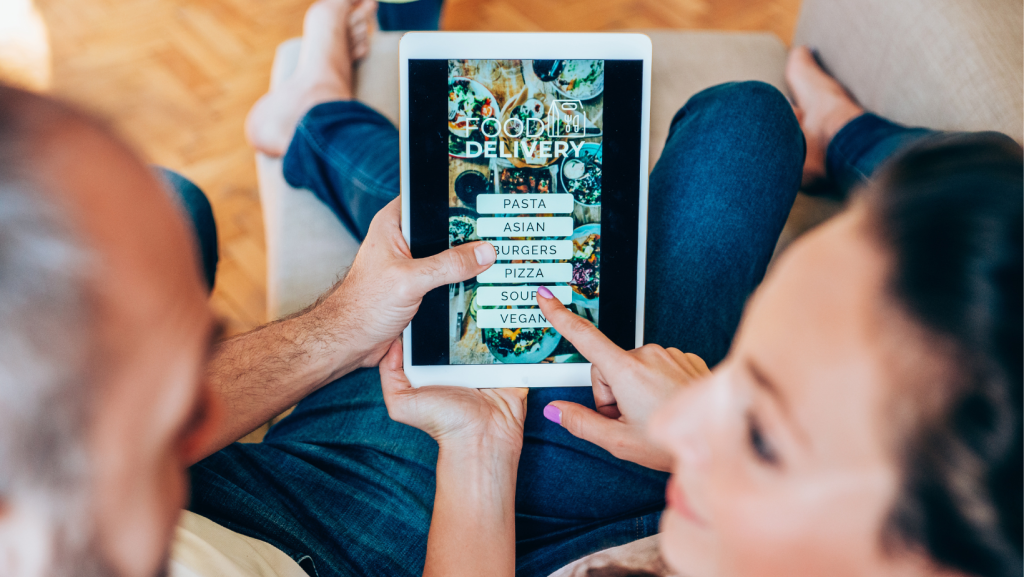
When customers order online, their behavior becomes the feedback. Long menus, unclear pricing, or too many similar choices can slow decisions and lead to abandoned orders.
Ordering patterns reveal where customers hesitate, which items get overlooked, and which combinations work naturally. Using these insights to simplify, reorganize, or clarify your menu can make ordering easier for customers — and more profitable for your business. In many cases, fewer, clearer choices lead to higher conversion and larger average orders.
Turn Repeat Customer Behavior into Predictable Revenue
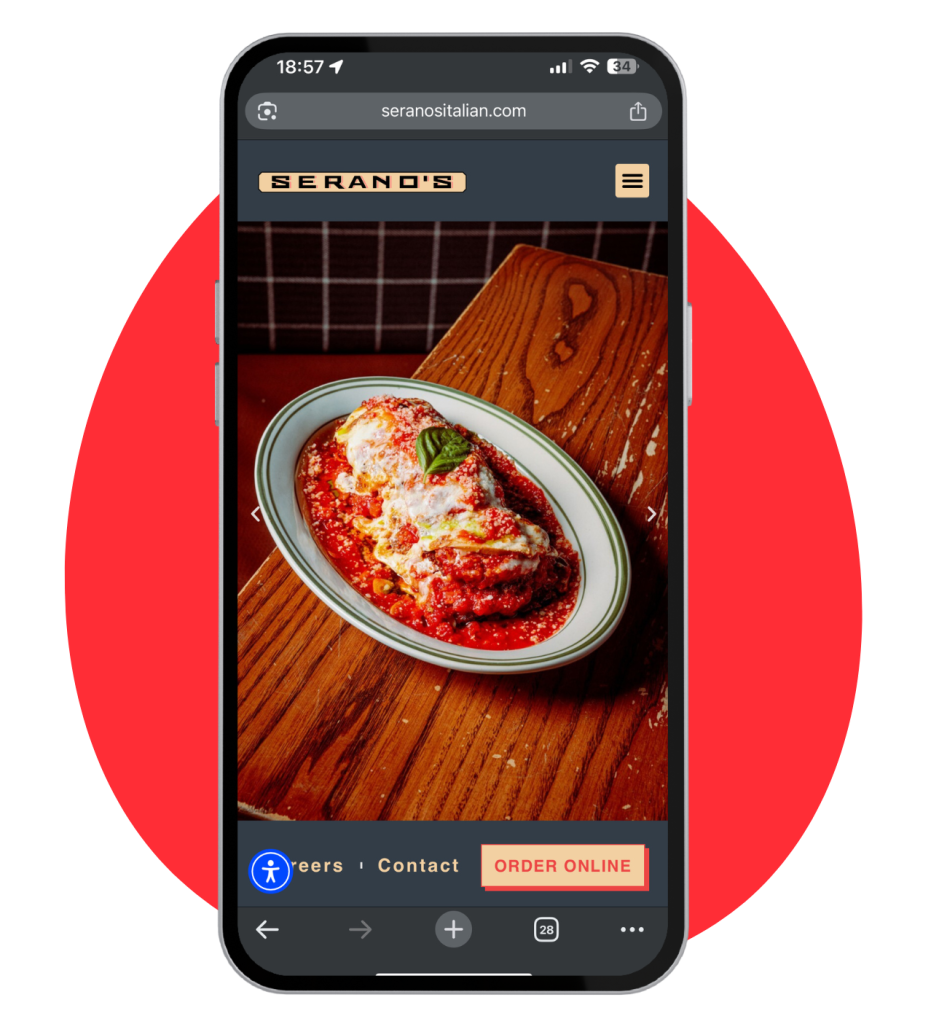
Repeat customers are the foundation of sustainable growth. Customer order history reveals when people tend to reorder, how often they return, and how their order size evolves.
These patterns allow you to reinforce habits rather than chase one-time conversions. By aligning offers, timing, and menu emphasis with existing behavior, you can turn routine orders into a more reliable revenue stream in 2026.
Download our free ‘Engineer Your Menu’ tool to analyze sales, calculate profit margins, and optimize your menu for success.
Spot Profit Leaks Before They Add Up
Not every missed dollar looks like a canceled order. Sometimes it’s a customer hesitating at checkout, removing an item, or choosing a smaller order than expected.
Performance data can help highlight where these moments occur, giving you the opportunity to adjust pricing, menu presentation, or item placement. Small refinements based on real behavior can quietly recover revenue you didn’t realize you were losing.
Plan Ahead Instead of Reacting Late
Seasonal slowdowns, weather shifts, and demand spikes rarely come out of nowhere—they repeat. Looking back at your 2025 ordering trends helps you anticipate what’s coming next, so you can plan staffing, prep, and promotions with more confidence.
Instead of reacting with last-minute discounts, you can enter slower periods with a strategy already in place.
Read our related post: Hustle to Hibernation: How to Keep January Sales From Drying Up.

Align Growth With Kitchen Reality
Higher order volume only helps if your kitchen can execute efficiently. Examining your data allows you to see which items perform well during peak hours and which ones slow down operations.
Using this insight to guide what you promote — and when — helps balance demand with execution, protecting both margins and service quality.
Refine What Works — and Let It Compound
You don’t need to reinvent the wheel to grow. Small, data-backed adjustments compound over time. Reviewing year-over-year performance allows you to refine pricing, adjust menu structure, and improve bundling with confidence.
In 2026, sustainable growth comes from clarity, consistency, and decisions rooted in real customer behavior.
Takeaway: What Your Data Is Already Telling You
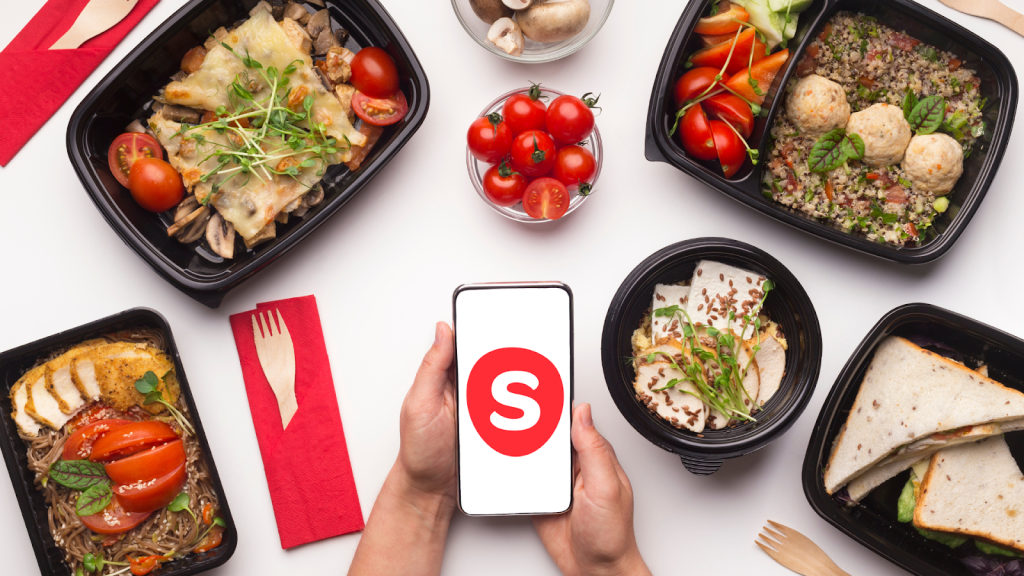
Every off-premise order already contains insight. The real challenge is having a clear way to see and use it. Sauce helps restaurant owners turn takeaway and delivery behavior into practical direction, making it easier to spot patterns, reduce friction, and plan growth with confidence.
If you want to see how your direct ordering data could support takeaway and delivery performance in 2026, explore the Sauce platform and try the demo.

By Eileen Strauss
