

How AI is Changing the Way Restaurants Operate in 2026
AI still sounds like a foreign concept to many Restaurants—something expensive, impersonal, or overhyped. It often feels better suited to tech giants than to modern quick-service and independent restaurants juggling thin margins, staffing challenges, and day-to-day decision-making.
And yet, even some of the nation’s least tech-savvy foodservice establishments are already using AI in quiet, practical ways.
From streamlining operations to improving guest experiences and managing inventory, AI is increasingly showing up behind the scenes—often without being labeled as such.
Though it’s become a buzzword in 2026, AI is no longer out of reach for the average restaurateur. It appears in software updates, POS tools, marketing platforms, and delivery systems, often without much explanation of how it actually helps daily.
But behind the hype, most restaurant AI tools are doing one thing exceptionally well: helping owners make better decisions, faster.
Rather than changing how restaurants operate, AI is being used to clarify what’s already happening—surfacing patterns in sales, pricing, staffing, and customer behavior that are difficult to spot manually. By reducing guesswork, cutting inefficiencies, and highlighting growth opportunities, AI is creating smarter, more sustainable paths to profitability.

Shifting Customer Relationships
In 2026, delivery is redefining the restaurant–guest relationship. What was once understood through in-person interaction now reveals itself through ordering behavior, timing, menu choices, and repeat patterns.
Read More:
Beyond the Door: Extending Restaurant Hospitality to Delivery Diners
As more customer touchpoints move outside the dining room, understanding guests means paying closer attention to how they engage through delivery and digital ordering.
This is where AI enters the picture—not as a replacement for hospitality, but as a way to interpret the signals delivery creates.
AI helps restaurants make sense of ordering data that would be difficult to analyze manually, identifying patterns in customer behavior, demand, and preferences over time. Instead of relying on assumptions, operators gain clearer insight into what’s actually driving orders, reorders, and drop-offs.
This shift isn’t about automation for its own sake. It’s about clarity. By pairing delivery data with AI-driven insight, restaurants can respond more intentionally—adjusting menus, pricing, and operations based on how customers really order.
Restaurants that recognize this delivery-driven shift are better positioned for 2026 and beyond, using AI not to change hospitality, but to better understand the customers it’s meant to serve.

How Restaurants Are Using AI Today
While AI can sound abstract, its real-world use in restaurants is surprisingly focused. Most applications fall into a few practical areas where owners are already making frequent decisions.
-
Optimizing Menu Performance
Menu engineering is the most common way restaurants are currently using AI. Instead of relying on gut instinct alone, AI tools can help identify patterns across menu data, such as:
- Which items consistently deliver high margins
- Which dishes sell well together
- Which items underperform despite strong placement or promotion
These insights help owners make more confident decisions about what to highlight, adjust, or remove—without redesigning the entire menu.
AI is only as useful as the data behind it. Restaurants that rely solely on third-party platforms often see partial insights, while those that own their ordering and customer data have a clearer picture to work from—whether they’re using AI today or planning to in the future.
-
Dynamic Pricing Decisions
Dynamic pricing is another area where AI adoption is growing, particularly among small quick-service restaurants. Though less than 1/3 of small QSRs are already using AI to support pricing decisions, a majority of operators say they’re very interested in using AI to implement dynamic pricing.
Dynamic pricing refers to a restaurant making pricing changes due to busier or slower business periods.
This strategy doesn’t involve charging different customers different prices. It means adjusting pricing based on real operational factors, such as:
- Weekend versus weekday demand
- Lunch versus dinner traffic
- Seasonal ingredient cost fluctuations
Used thoughtfully, AI helps restaurants evaluate pricing changes with context—reducing the risk of overcorrection while protecting margins.
-
Benchmarking
Another area gaining traction is benchmarking.
Benchmarking helps owners understand how their restaurant performs compared to similar businesses, rather than relying on assumptions or anecdotal feedback. It provides clarity around what “good” performance actually looks like and removes emotion from decisions related to pricing, promotions, and staffing.
Where AI Interest Is Growing
Beyond current use cases, interest in AI is expanding into areas focused on efficiency and guest experience—especially among small full-service restaurants.
These include:
- Shift optimization
- Virtual answering systems
- Website content and marketing support
- Real-time delivery tracking
These tools aren’t about replacing staff. They’re about removing friction, reducing bottlenecks, smoothing peak periods, and freeing staff to focus on service.
That being said, not every restaurant needs every AI tool. The most successful operators tend to start with one clear problem, not ten new features.
Using AI to Your Advantage
For restaurant owners curious about AI but unsure where to begin, the smartest approach is simple:
- Start with one decision you make repeatedly.
- Use AI to surface patterns, not make final calls.
- Pair AI insights with human judgment.
- Feed AI clean, direct data whenever possible.
When restaurants own their ordering and customer data, AI insights become more accurate—and more actionable. The goal isn’t automation for its own sake. It’s confidence in decision-making.
Seeing the Bigger Picture
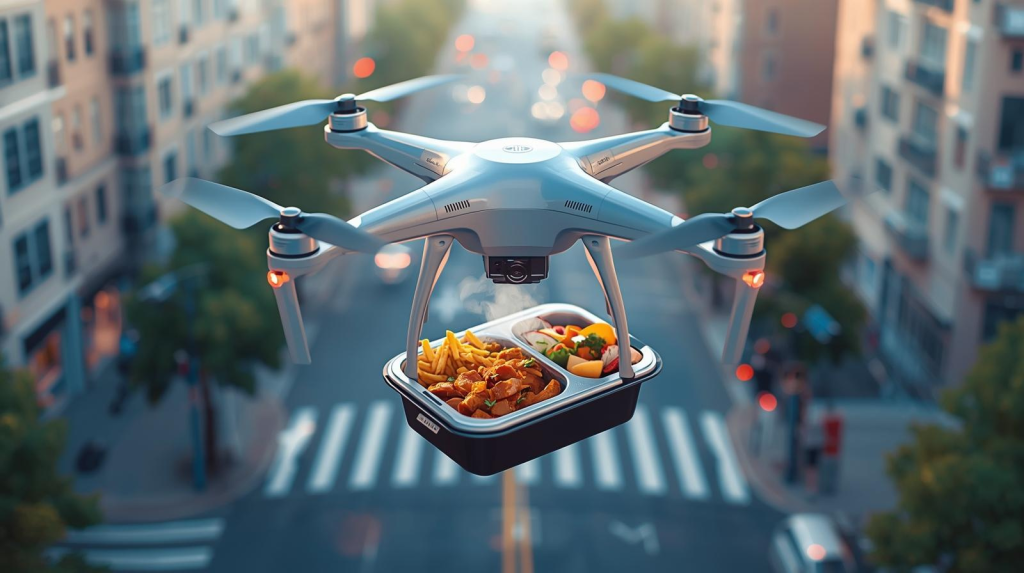
The uses for artificial intelligence in food service are far from limited. As AI continues to evolve, its role will expand well beyond today’s applications—shaping how restaurants deliver orders, price menu items, and respond to customer behavior in real time.
While the food service industry will always rely on people to deliver exceptional service and high-quality dishes, staying current with emerging technology helps restaurants operate more efficiently and remain innovative, competitive, and profitable.

Take Away
AI can’t replace the human element, or run your restaurant for you, but it can help you run it smarter.
In 2026, the restaurants benefiting the most from AI won’t be the ones chasing trends. They’ll be the ones using this technology to better understand their customers, respond to demand, and plan with less guesswork.

How to Make Every Order the Start of a Relationship
With Sauce, customer service isn’t just reactive — it’s your built-in engine for retention.
Get Started Today

By Eileen Strauss
