With Earth Day just days away, we’re zeroing in on the part of your operation with the most immediate impact on your bottom line: food waste.
Every ingredient that enters your kitchen carries value.
But when that food is wasted, so is everything that went into it. The cost. The labor. The storage. The time. And the revenue it could have generated.
In a delivery-driven business, the stakes are even higher. Every item that gets thrown away isn’t just waste. It’s a missed order, a missed add-on, and a missed opportunity to increase ticket size.
In a delivery-first environment, waste doesn’t sit in your trash. It shows up as fewer orders, smaller tickets, and lost repeat business.
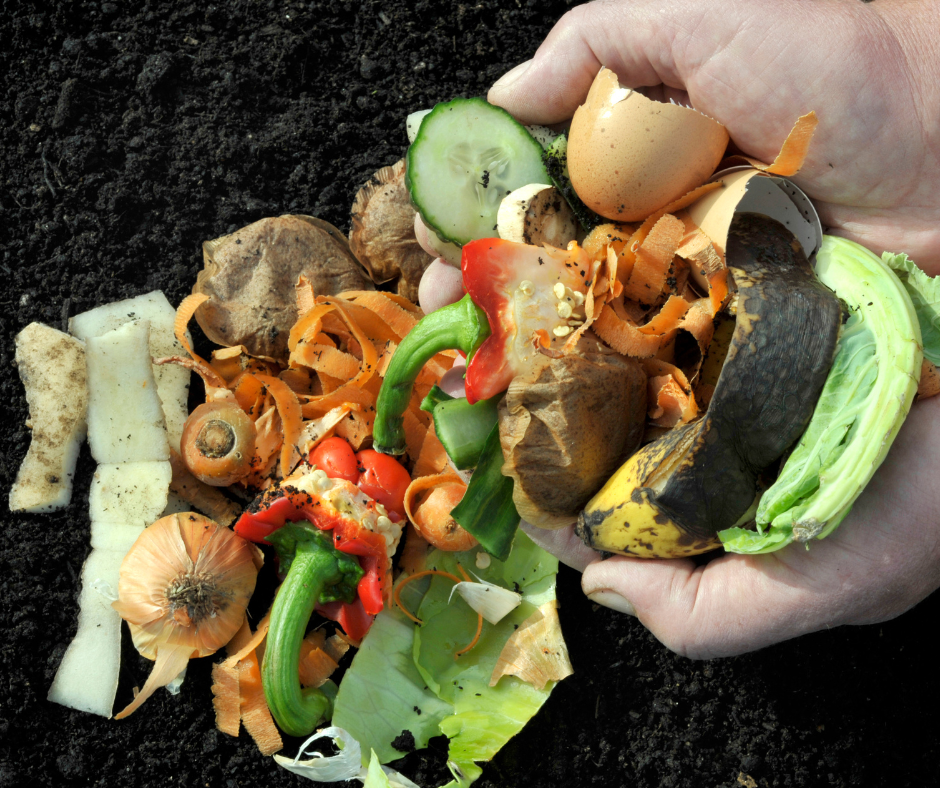
Where Restaurant Waste Actually Starts
Food waste happens at every stage of the operation, but inside a restaurant, it’s rarely just one issue. It’s a combination of ordering, prep, menu design, and demand.
More than 30% of restaurant revenue goes to cost of goods sold. When those goods go to waste, you’re not just losing product. You’re losing margin.
And food isn’t the only contributor. Packaging, utensils, and disposables add another layer of cost, especially in delivery-heavy operations.
Stats to Consider
-
- Up to 40% of all food in the U.S. goes to waste
-
- Restaurants discard 22–33 billion pounds of food every year
-
- More than 80% of unused food is thrown away, not repurposed or donated
-
- Every pound wasted is lost product, lost labor, and lost revenue
Reducing waste isn’t just about sustainability. It’s about tightening your operation and capturing more revenue from the orders you’re already getting.
Start With a Waste Audit
You can’t fix what you don’t see.
A waste audit gives you a clear picture of what’s being thrown out and where your biggest losses are happening.
How to Conduct a Waste Audit
For one week, sort your waste before pickup into key categories:
-
- paper goods
-
- takeout packaging
-
- produce
-
- meat and protein scraps
Weigh and track each category daily.
This gives you a working snapshot of your waste and helps you estimate long-term loss. It doesn’t have to be perfect. It just has to be consistent enough to reveal patterns.
Repeat quarterly to stay aligned with seasonal menus and shifts in delivery demand.
Identify What’s Costing You the Most
Once you have the data, look at it through a delivery lens.
The heaviest categories are where your biggest opportunities are hiding.
High produce waste might mean:
-
- Items aren’t selling
-
- You’re over-ordering
-
- Your prep methods are inefficient
High packaging waste often points to delivery inefficiencies.
Every category of waste connects back to delivery performance, either through what you can’t sell or what you’re not maximizing.
Turn Insights Into Action
Your team already knows where the breakdowns are.
Bring them into the conversation and ask:
-
- What are we throwing out the most?
-
- Why is it happening?
-
- Are portions too large?
-
- Are we over-ordering?
-
- Are we shortening shelf life through prep or storage?
This is where waste shifts from a hidden cost to something you can control.
 Build a Menu That Reduces Waste
A delivery-smart menu is built on flexibility.
The more ways you can use the same ingredient, the less likely it is to go to waste.
Design dishes that share components across categories. One protein should work across multiple items. One sauce should show up in more than one place.
This reduces waste and improves speed during delivery rushes.
If an ingredient only appears in one slow-moving dish, it’s a liability. When it shows up across your delivery menu, it becomes a revenue driver.
For more on building a smarter menu, see “Plated with Purpose: Seasonal, Smart, and Sustainable Menu Moves.”

Turn Excess Into Revenue Opportunities
Not everything needs to stay on your core menu.
When inventory starts building up, use it.
Create limited-time delivery specials:
-
- rotating bowls using excess produce
-
- sandwiches or tacos featuring overstocked protein
-
- soups or sides built from trim
Position these as delivery exclusives to create urgency.
These aren’t just waste solutions. They’re incremental orders you wouldn’t have captured otherwise.
Use Add-Ons to Capture Lost Value
This is where delivery really works in your favor.
Add-ons are one of the easiest ways to turn excess into revenue.
Use existing ingredients to create:
-
- sauces and dips
-
- sides
-
- upgraded toppings
-
- simple desserts
These are low-cost, high-impact additions that increase ticket size.
Instead of throwing product away, you’re monetizing it on the orders you’re already getting.

Align Inventory With Real Demand
Your inventory should reflect how your customers actually order.
If delivery drives your business, your ordering strategy needs to follow by adjusting order quantities, supplier schedules, and menu priorities; understanding how over-ordering leads to waste; and learning how under-prepping leads to missed orders.
These factors allhurt delivery performance.
The goal is simple: keep product moving while it’s still sellable.

Rethink Delivery Packaging
Packaging plays a major role in both cost and experience.
And it adds up quickly.
Look for ways to:
-
- right-size packaging
-
- eliminate unnecessary items
-
- improve quality to reduce remakes
Better packaging reduces waste, but it also protects the order.
Because in delivery, bad packaging doesn’t just create waste. It creates refunds, complaints, and lost customers.
For more on this, see “Greener from the Ground Up: Packaging That Performs Without the Waste.”
Your Earth Month Game Plan: A 4-Part Weekly Series
This article is part of our Earth Month series focused on turning sustainability into a real revenue driver.
Start here: “Rooted in Responsibility: A 4-Part Earth Month Series for Restaurants.”
Then explore:
Each piece builds on the last, giving you practical ways to reduce waste and improve performance across your operation.

Take Away
Food waste isn’t just an environmental issue. It’s a delivery issue.
Every ingredient you throw away is a missed opportunity to fulfill an order, increase a ticket, or bring a customer back.
Tight systems don’t just reduce waste. They drive revenue.