Earth Month Series: Part 4
It’s Not Just What You Serve. It’s Where It Comes From.
Earth Month puts sustainability front and center, but for restaurants, the opportunity goes far beyond a seasonal message.
Customers aren’t just looking at what’s on the plate anymore. They’re paying attention to where ingredients come from, how they’re sourced, and what your business supports behind the scenes.
That shift creates something bigger than a feel-good story.
It creates a competitive advantage.
When sourcing becomes part of your brand, it gives customers a reason to choose you, trust you, and come back.


Stats to Consider
- 38% of US consumers are more likely to choose a restaurant that offers locally sourced food over one that doesn’t.
- 30% of consumers choose a restaurant offering food grown in an environmentally-friendly way or raised organically over one that doesn’t.
- 48% of millennials and 40% of Gen Zers favor restaurants that serve locally sourced wines and beers.
- 70% of millennials and 72% of Gen Z adults said they’d be willing to pay extra for to-go orders to cover the cost of upgraded packaging.
Sourcing Close to Home
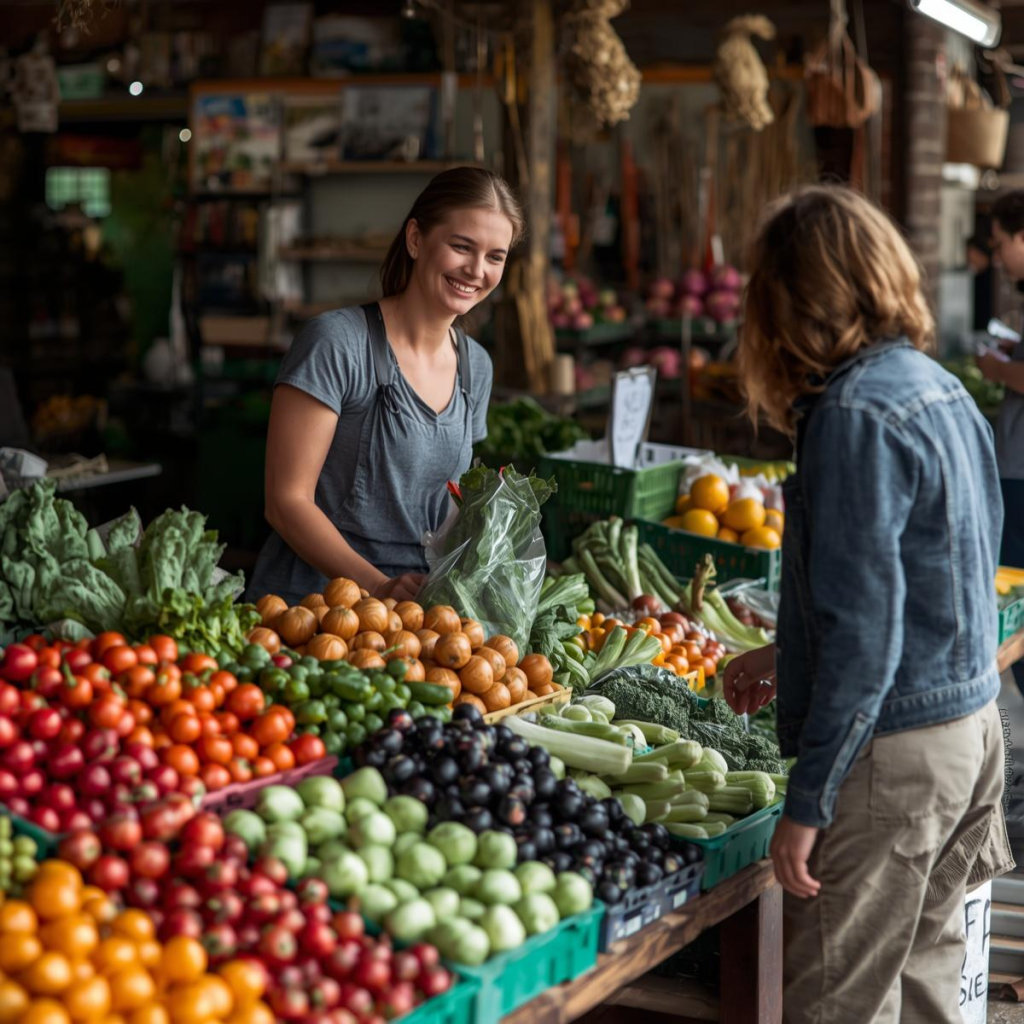
Local sourcing isn’t just about shortening your supply chain. It’s about strengthening your brand in a way customers can actually see and connect with.
When ingredients come from nearby farms, they carry more than freshness. They carry context.
Customers want transparency, but more importantly, they want to feel good about where they’re ordering from. Local sourcing delivers both. It turns your menu into something more intentional, more memorable, and more aligned with what today’s diners care about.
And in a delivery-first world where customers can’t see your space or interact with your team, that kind of clarity becomes even more important.

Farm-to-Table to Front-and-Center
Every farm you work with is an extension of your brand. That’s the part many restaurants overlook.
Sourcing locally isn’t just a back-of-house decision. It’s a front-facing opportunity to build identity and trust. When you name your farms, highlight their produce, or feature them in your marketing, you’re giving customers something real to connect to.
It’s a level of specificity that builds credibility and curiosity. It’s not just fresh greens, but greens from a farm five miles away; not just seasonal fruit, but produce harvested that week.
Farm-to-table isn’t new. But what’s changed is how visible and important it’s become.
What used to live in the dining room, on a menu or in a conversation with a server, now has to show up digitally. Customers are scanning menus online, comparing options, and making fast decisions. When they see local sourcing called out clearly, it signals quality, care, and intention in seconds.
It’s no longer just about where ingredients come from. It’s about how clearly you communicate it.
And in a delivery-first environment, the restaurants that make sourcing visible are the ones that stand out.
Seasonality That Drives Demand
Working with local farms naturally introduces seasonality into your menu, and that’s where it starts to drive revenue.
Seasonal items create urgency. They give customers a reason to order now instead of later.
Instead of relying on static menus, you can introduce limited-time items based on what your suppliers are harvesting:
- Spring greens and herbs
- Summer tomatoes and stone fruit
- Fall squash and root vegetables
These aren’t just menu updates. They’re built-in promotions.
When positioned correctly, seasonal sourcing becomes a demand driver that keeps your menu feeling fresh and your customers coming back to see what’s new.
Keeping Local Initiatives Visible
If customers don’t see it, it doesn’t exist.
You can be working with incredible farms, but if that story isn’t showing up in your delivery experience, you’re missing an opportunity to differentiate.
Your digital presence is your storefront. That includes your menu, your website, and your packaging.
Small changes can make a big impact. Add farm names directly into menu descriptions, highlight local sourcing on your website, or include an insert in your delivery orders that calls out your farm partners.
Over time, that visibility builds recognition. And recognition builds loyalty.
Building Stronger Relationships
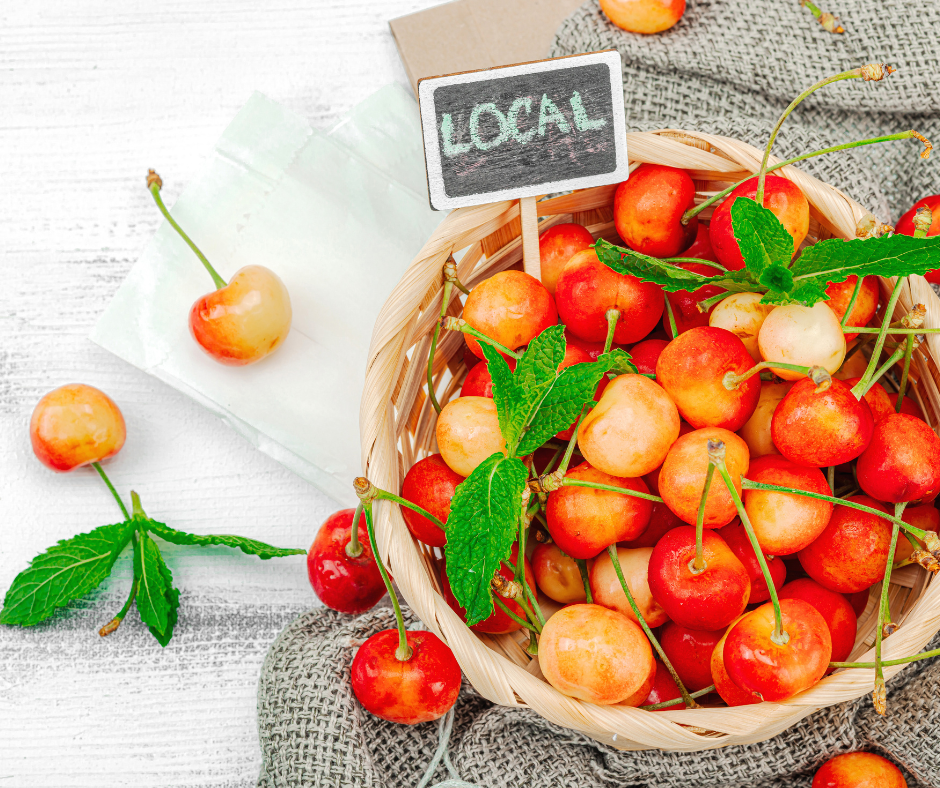
The best local sourcing strategies aren’t transactional. They’re collaborative.
When you build real relationships with farmers and suppliers, you unlock more than just ingredients. You gain flexibility, insight, and access.
That can mean:
- Early access to seasonal products
- Input on what to feature or highlight
- Opportunities for co-promotion and shared visibility
These relationships allow you to move faster, stand out more, and stay aligned with what customers are increasingly looking for: food that feels closer to home.
From Sourcing to Loyalty
Local sourcing works because it hits multiple pressure points at once.
Not only does it enhance perceived quality and differentiate your brand, but it also gives customers a reason to come back.
And that’s the real opportunity.
Because at the end of the day, it’s not just about better ingredients. It’s about building a restaurant people remember.
 Rooted in Responsibility: The Big Picture
This Earth Month series builds on a larger idea.
In Rooted in Responsibility: A 4-Part Earth Month Series for Restaurants, we explored how sustainability is no longer a side initiative. It’s becoming a core part of how restaurants operate, compete, and grow.
From packaging to waste reduction, the most successful operators aren’t treating sustainability as a once-a-year campaign. They’re building it into the way their business runs every day.
This series takes that idea a step further, breaking it down into practical, revenue-driving actions restaurants can actually implement.
Earth Month Recap: Turning Sustainability Into a Revenue Strategy
Over the past four weeks, we’ve looked at sustainability through a different lens, not just as a responsibility, but as an opportunity to build a smarter, more profitable restaurant.
Part 1: Plating with Purpose: Sustainable Menu Moves for Earth Month
We explored how thoughtful menu choices, from ingredient selection to portioning, can reduce waste while improving margins and efficiency.
Part 2: Packaging that Performs: Greener from the Ground Up
We broke down how packaging impacts cost, quality, and brand perception, and how smarter choices can improve both the customer experience and your bottom line.
Part 3: From Prep to Missed Profits: How Food Waste Impacts Restaurant Delivery
We looked at how reducing food waste directly protects margins, helping restaurants control costs and operate more efficiently.
Part 4: Nourishing the Planet: How Local Sourcing Builds Stronger Restaurant Brands
Now, we’ve closed the loop by showing how sourcing decisions shape your brand, influence customer perception, and drive long-term loyalty.
Takeaway
Earth Month may be in April, but sustainability isn’t seasonal.
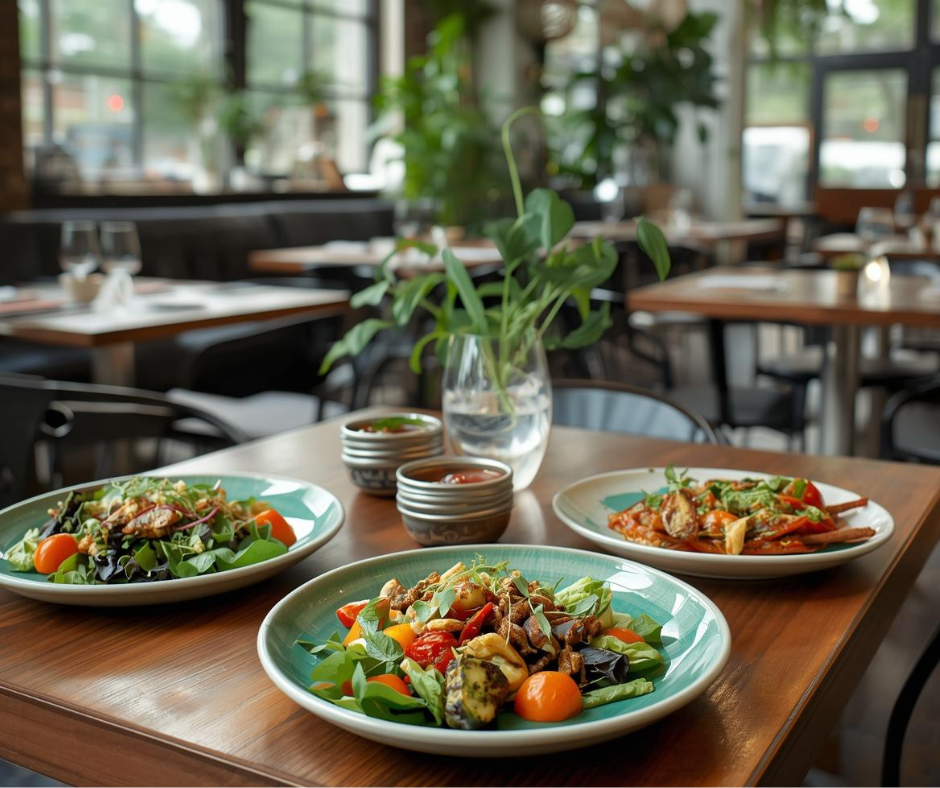
It’s not a single initiative. It’s a system. And when that system is aligned, across your menu, your packaging, your operations, and your sourcing, it does more than reduce impact.
It builds a stronger business.
Local sourcing helps restaurants build stronger brands, connect with customers, and drive repeat delivery orders through transparency and quality.